Faster EV Approvals

Kwame Johnson
| 25-11-2026
 · Automobile team
Building electric vehicle charging stations and expanding Europe's electricity network could become easier under a new agreement between the European Parliament and EU member states. The provisional deal aims to reduce administrative delays, simplify approval procedures and make infrastructure projects move forward more quickly.
For electric mobility, the changes could be particularly important. Charging networks depend on reliable connections to the electricity grid, and lengthy approval processes can slow the construction of new facilities. The proposed rules would introduce higher approval thresholds, shorter deadlines and more consistent procedures across the European Union.
Higher Thresholds Could Simplify Construction
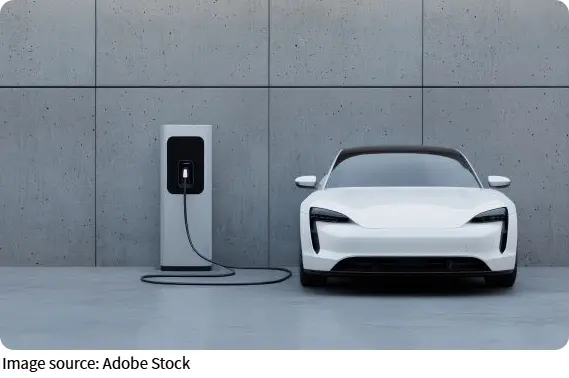
One of the main changes concerns the capacity at which certain energy installations require formal approval. Under the provisional agreement, the threshold for small solar installations, energy storage systems and charging stations would increase from 100 kilowatts to 200 kilowatts.
This adjustment could make it easier to install smaller energy facilities without going through the same approval procedures required for larger projects. Another important provision concerns charging stations installed on what the agreement calls artificial structures. Charging facilities with a total installed capacity of up to one megawatt would no longer require approval under the proposed rules.
The exact definition of artificial structures has not yet been clarified. However, the Greens, who initiated this provision, interpret it as including motorway service areas, among other locations. For charging network operators, this could create a more straightforward route to installing high-capacity charging facilities at suitable sites. It could also reduce administrative work associated with expanding existing infrastructure.
Shorter Deadlines for Energy Projects
The agreement also introduces clearer timelines for approval procedures. The European Parliament and member states support a maximum period of six months for approving standalone energy storage systems and charging stations. Projects combining solar installations and energy storage systems at the same location would receive a shorter deadline of just three months.
Grid connections are another major focus. Under the proposed arrangements, the approval period for connecting projects to the electricity network would generally be limited to three months. Authorities could take up to six months when sufficient justification is provided. Some exceptions would remain available for isolated or small interconnected electricity systems, including those serving remote regions.
Digital Portals Could Make Applications Easier
Another important element is the planned introduction of a single national digital portal for approval procedures. Instead of dealing with several separate administrative systems, project developers would be able to use one central online platform for the relevant approval steps at national level.
The agreement also includes an EU-wide approval framework for electricity grid infrastructure. This is intended to create greater consistency between member states and reduce differences in how infrastructure projects are handled. Digitalisation is expected to support transparency and make it easier for businesses to follow the progress of their applications.
Renewable Energy Projects Gain Stronger Recognition
The provisional agreement also strengthens the principle that renewable energy and electricity grid projects serve an overriding public interest. This designation can help remove certain administrative obstacles that might otherwise delay development. Under the proposed rules, member states would have more limited opportunities to depart from the principle, and any exception would need sufficient justification.
The agreement also changes the requirements for involving local communities in large energy projects. Participation would become mandatory for projects with a capacity of seven megawatts, compared with the previous threshold of ten megawatts.
Why Faster Approvals Matter
Long approval procedures have been identified as one of the main obstacles to expanding energy infrastructure across Europe. According to information published by the European Parliament, constructing electricity transmission networks takes approximately ten years, with more than half of that period spent obtaining approvals. Renewable energy projects can face approval periods of up to nine years, depending on the member state and technology involved. Energy storage projects can take between one and seven years.
What Happens Before the Rules Take Effect?
Although the European Parliament and member states have reached a provisional agreement, the legislation still requires formal approval from the full Parliament and the Council. Once approved, the directive will be published in the Official Journal of the European Union. Member states will then have 18 months to incorporate its provisions into their national laws.
The agreement represents an important step towards making Europe's energy infrastructure approval process faster and more consistent. Higher capacity thresholds, shorter deadlines, centralised digital portals and clearer rules could help reduce some of the administrative barriers facing charging stations and electricity network projects.
For electric vehicle drivers, the potential benefit is a more efficient process for expanding charging infrastructure. For developers, the changes could make project planning more predictable. However, the agreement must still pass the final approval stages before the new requirements can be implemented across the EU.