Ireland's EV Charging

Samir
| 18-11-2026
 · Automobile team
Ireland is preparing to expand its electric vehicle charging network through the end of 2028. The new National EV Infrastructure Strategy 2026–2028 focuses on faster charging along major roads, better access for people living in homes without private parking, and additional facilities for commercial vehicles.
The aim is to ensure that public charging capacity develops alongside the country's growing number of electric cars.
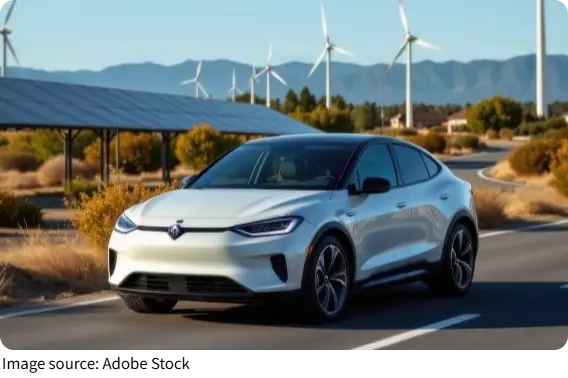
A Growing Electric Vehicle Network
Ireland already has a substantial public charging network. More than 270,000 electric vehicles are registered in the country, exceeding the target set for 2025 in its Climate Action Plan. Electric vehicles account for 26.3% of new registrations, making them the largest powertrain group among newly registered vehicles.
Charging facilities have expanded alongside vehicle numbers. According to figures from the Department of Transport, Ireland has more than 3,620 publicly accessible charging points spread across over 1,200 locations. Their combined installed capacity is approximately 280 megawatts.
The new strategy builds on this existing network rather than starting from scratch. It establishes priorities for further development through December 2028, with attention to locations and types of charging that can serve different drivers and journeys.
More Fast-Charging Hubs Along Major Roads
One of the main priorities is the development of high-power charging hubs along national roads and major transport corridors. These facilities are intended to make charging more convenient for people travelling longer distances. Fast-charging locations allow drivers to replenish their vehicle batteries during journeys without relying solely on slower charging facilities.
A new fast-charging location at Circle K in Maynooth was unveiled on 4 November as an example of the network's ongoing expansion. In addition, three funding programmes will support the development of high-power charging sites along national roads.
Better Access for Residential Areas
The strategy also addresses a challenge faced by people who cannot charge an electric vehicle at home. Residents of apartment buildings, multi-family properties and densely populated urban neighbourhoods may not have access to private parking spaces or personal charging equipment.
For these drivers, access to convenient public charging is particularly important. The planned expansion therefore includes more charging options in residential areas, helping make electric vehicle ownership more practical for people without a private charging point. Destination charging is another area identified for further development. These facilities provide charging opportunities at places where drivers spend time for other reasons, adding another option alongside home charging and fast-charging hubs.
Accessibility and Compatibility
Expanding the number of charging points is only part of the strategy. New facilities are also expected to be accessible to as many users as possible and compatible with different vehicles and payment systems. Accessibility means designing charging locations so that people with different needs can use them more easily. Interoperability, meanwhile, allows drivers to use charging infrastructure without facing unnecessary compatibility barriers between vehicles, equipment and payment methods.
Charging for Commercial Vehicles
Private passenger cars are not the only vehicles covered by the strategy. Commercial fleets and heavy-duty vehicles are also included, with future plans addressing charging facilities at vehicle depots and along important transport routes. Depot charging can provide commercial operators with a dedicated place to recharge vehicles when they are not in use.
Funding and Future Progress
The charging strategy forms part of wider efforts to support electric mobility. In February 2026, a separate funding programme was introduced for the electrification of taxis and ride-hailing services. It has a total budget of €7 million, with eligible operators able to receive grants of up to €25,000, depending on vehicle type and conditions.
Implementation of the charging strategy will involve cooperation between local authorities, infrastructure operators and other public bodies. A mid-term review is planned for 2027 to assess progress and consider adjustments based on technical developments and changing requirements.
Ireland's charging strategy sets out several priorities for improving electric vehicle infrastructure by the end of 2028. More high-power hubs, residential charging options, accessible facilities and provisions for commercial vehicles are all part of the plan.
The country already has more than 3,620 public charging points, but the next stage will focus on making the network more useful across different locations and for different types of drivers. The planned 2027 review will provide an opportunity to assess progress before the strategy reaches its 2028 target period.