Europe Rethinks Car Supply

Nolan O'Connor
| 13-11-2026
 · Automobile team
Europe is trying to strengthen its car industry as competition from China intensifies, but the proposed solution could create new tensions with some of its closest trading partners.
The EU’s Industrial Accelerator Act would give preference to vehicles with a high share of European-made components when public subsidies or procurement are involved.
Supporters see the plan as a way to protect factories and jobs. Critics warn that modern car production is too international for strict origin rules to work without raising costs.
Local Content Is At The Center
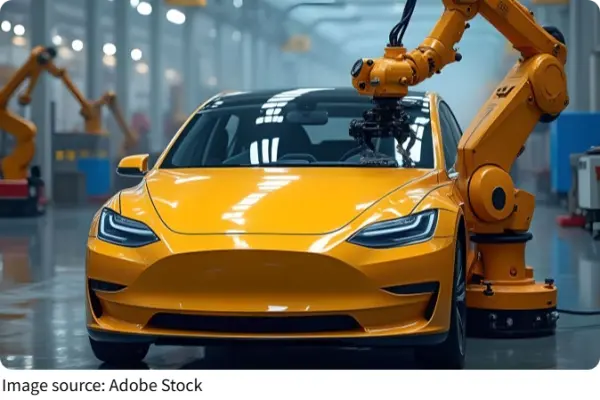
The current proposal would require around 70% of a vehicle’s component value, excluding the battery, to come from Europe in order to qualify under the scheme. The first version focuses mainly on battery-electric cars, plug-in hybrids and fuel-cell vehicles.
For many EVs already assembled in Europe, that target may not be especially difficult. Researchers estimate that an average European-built electric car already sources around 83% of its non-battery components from the region.
The bigger challenge comes from other models whose supply chains rely more heavily on imported parts.
Europe Is Still Debating What Europe Means
One of the most sensitive questions is which countries should count as part of the eligible production area. Germany and France have reached a compromise that would allow some suppliers from countries such as the United Kingdom and Norway to qualify as European. Other major partners may not receive the same treatment.
Turkey is especially concerned because it has been integrated into the EU automotive market for decades. Around 73% of its automotive exports go to the European Union. Its car exports to the bloc were worth roughly €26.8 billion last year.
Morocco Could Also Lose Out
Morocco has become another important manufacturing base for European carmakers. French brands in particular use factories there to produce affordable vehicles and components for the European market. At the same time, Chinese companies have invested more than €10 billion in Moroccan battery and automotive projects since the pandemic. That creates a policy dilemma for Brussels.
Including Morocco could preserve existing European supply chains, while excluding it could make some vehicles more expensive. Yet policymakers also worry that Chinese investment could use neighboring countries as an indirect route into the EU market.
Asian Carmakers Face Similar Questions
Japanese and South Korean manufacturers are also watching the negotiations closely. Companies such as Hyundai and Kia already produce vehicles in EU countries, while Korean battery factories operate in Poland and Hungary. Those European facilities would benefit from local-content rules.
However, models imported directly from Asia would not qualify for the same support, while European-built vehicles could still fail the test if too many components come from outside the region.
Suppliers Want Stronger Protection
European component manufacturers take a different view. They argue that the rules should be strict enough to prevent further erosion of local production.
Industry representatives have warned that up to 650,000 automotive jobs could disappear by 2035 without stronger measures to protect European suppliers.
They also argue that public money should support manufacturing and value creation within Europe rather than subsidizing imported components.
Carmakers Fear Higher Costs
Large manufacturers are more cautious.
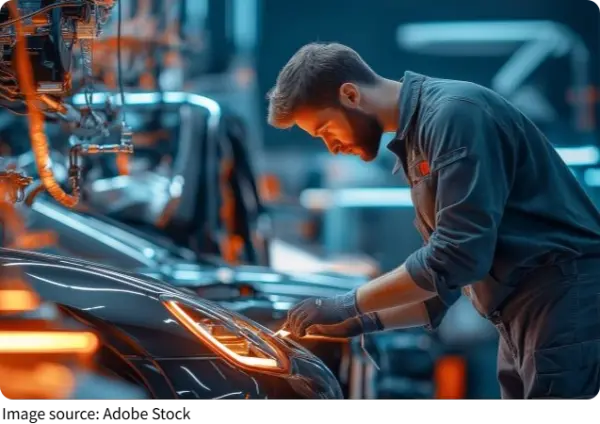
They depend on global sourcing to keep prices competitive and argue that restricting access to lower-cost components could make European cars even more expensive compared with Chinese rivals.
The final policy therefore has to balance two conflicting goals: rebuilding local industrial capacity while preserving the flexibility that has made European supply chains competitive.
The “Made in Europe” strategy may strengthen the region’s automotive sector, but its success will depend on how broadly Europe defines its industrial partners — and whether protection comes without making cars significantly more expensive.