Sailing Against Wind

Finnegan Flynn
| 09-11-2026
 · Travel team
Have you ever watched a sailboat move across the water and wondered how it can travel against the wind? It may seem impossible because sailboats depend on wind for movement.
However, their clever design allows them to move forward even when the wind blows from the direction they want to travel. The secret involves the shape of the sail, careful steering, and a special zigzag sailing technique.
How Does a Sailboat Move?
A sailboat uses wind as its main source of power. Its most recognizable feature is the sail, usually made from strong fabric supported by ropes and other equipment.
When wind flows around the curved sail, it creates a difference in air pressure on its two sides. This produces a force that helps push the boat forward. The sail works somewhat like an airplane wing, guiding airflow to generate movement.
The sailor must position the sail correctly to make the best use of the available wind. A poorly positioned sail may reduce speed and make controlling the boat more difficult.
Why Can It Travel Against Wind?
The secret is that a sailboat cannot travel directly into the wind. Instead, it moves at an angle to the incoming airflow. This technique is called tacking.
When the wind comes from ahead, the sailor adjusts the sail to create a useful forward force. Although part of this force pushes the boat sideways, the underwater keel helps resist sideways movement.
The keel is a structure beneath the boat that provides stability and helps the boat maintain its course. Together, the sail and keel allow the boat to move diagonally rather than simply being pushed backward.
The Importance of Sail Adjustment
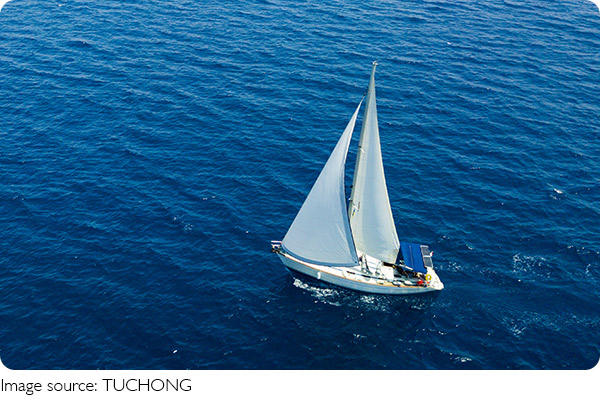
The position and shape of the sail have a major effect on sailing performance. Sailors use ropes to change the angle and tension of the sail according to wind conditions.
When the wind becomes stronger, they may reduce the exposed sail area to improve control and stability. When the wind is lighter, opening the sail appropriately can help capture more airflow.
These adjustments require attention and experience. Even small changes can influence the boat's speed and direction.
How the Rudder Controls Direction
The rudder is usually located at the back of a sailboat. It helps the sailor control where the boat travels.
By moving the steering handle, the sailor changes the rudder's angle in the water, guiding the boat through turns and helping it maintain its intended course.
During tacking, the rudder and sail must work together. The sailor steers the boat through a turn while adjusting the sail to receive wind from the opposite side.
Why Sailboats Follow Zigzag Routes
Imagine that a sailboat needs to reach a destination directly upwind. Since it cannot sail straight toward that destination, it first travels diagonally in one direction.
After making progress, the sailor turns the boat and follows another diagonal course in the opposite direction. By repeating this process, the boat gradually moves closer to its destination.
These alternating movements create a zigzag pattern across the water. Although the route is longer than a straight line, it allows the boat to travel toward a point that lies upwind.
How Weather Affects Sailing
Wind strength and direction influence how easily a sailboat moves. Strong winds may require smaller sail areas, while lighter winds call for careful adjustments to capture enough airflow.
Changes in weather can also affect the boat's speed and stability. Water movement and surrounding conditions may influence its course, so sailors need to observe their surroundings and make adjustments throughout the journey.
Final Thoughts
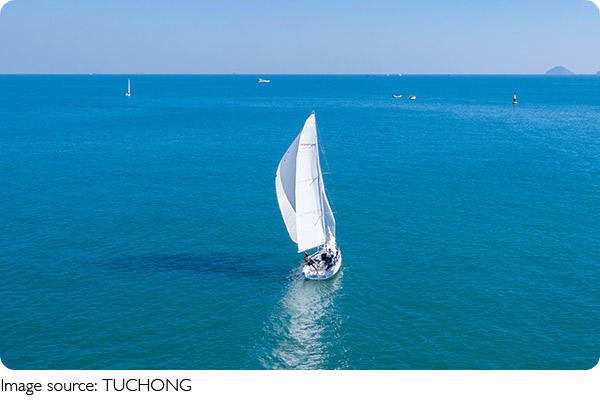
A sailboat can travel against the wind because of the relationship between airflow, sail design, the underwater keel, and steering. Instead of fighting the wind directly, it uses angled movement and repeated turns to make forward progress.
The next time you watch a sailboat crossing the water, notice its zigzag route. Those carefully planned turns demonstrate how understanding natural forces can make an apparently impossible journey possible.
How Sails Work or How Sailboats Sail into the Wind
Video by Stick Science