Inside The Serengeti

Camille Dubois
| 07-11-2026
 · Travel team
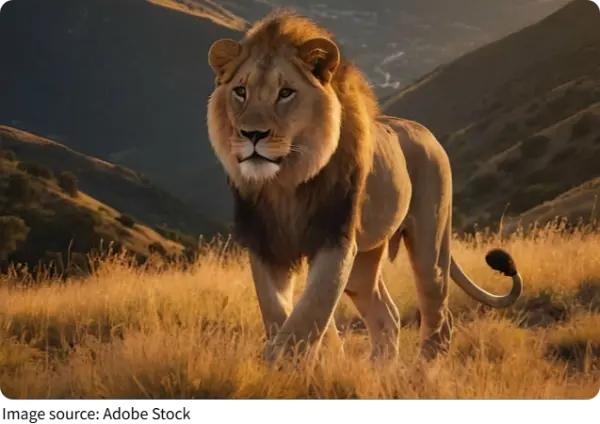
Few places create a stronger sense of wilderness than Tanzania’s Serengeti. Its grasslands stretch across more than 15,000 sq km, with lions resting on granite kopjes, elephants moving between woodland and open plains, and vast herds following seasonal rains.
Yet a successful first safari depends on more than simply arriving. Wildlife moves throughout the year, distances are enormous and costs rise quickly once accommodation, park fees and transport are combined.
Choose The Season Carefully
There is no single perfect month for the Serengeti.
July to September brings dry conditions and some of the most dramatic wildlife viewing. Travelers hoping to see wildebeest crossing the Mara River usually focus on the northern Serengeti around Kogatende, with activity often strongest in August and September.
From December to March, attention shifts south toward Ndutu, where wildebeest gather to give birth. February and March are particularly rewarding for seeing young animals alongside cheetahs, lions and other predators.
November to March is greener and often quieter, with excellent birdwatching. April and May bring heavier rain and more difficult road conditions, but fewer visitors.
Do Not Chase Only The Migration
The Great Migration may be the headline attraction, but building an entire trip around one river crossing can be frustrating. Herd movements depend on rainfall, and dramatic crossings cannot be scheduled.
Central Serengeti around Seronera offers reliable wildlife throughout the year. Lions, leopards, cheetahs, giraffes and elephants can all appear without requiring long drives to follow the migrating herds.
Big-cat conservationist Laly Lichtenfeld has suggested that some of the strongest safari experiences come from slowing down rather than treating wildlife viewing as a checklist. She highlights quieter landscapes and rocky kopjes as places where simply waiting can be more rewarding than constantly moving.
Serengeti
Plan A Realistic Safari Budget
The international adults conservation fee during most of the year works out at approximately €74 per person for each 24-hour period. In the lower-fee season, it is around €63. Children aged five to 15 pay about €21, while children under five enter free.
Accommodation and transport make up most of the remaining budget. A group camping safari can start at roughly €225–€340 per person per day, while mid-range lodge trips are commonly around €315–€540. Private safaris and luxury camps can cost considerably more.
Travelers arriving by road from Arusha should also remember that reaching the main eastern entrance usually involves a long drive of around seven to eight hours.
See The Plains From Above
A sunrise balloon flight offers a completely different perspective on the Serengeti.
Flights typically last around an hour, depending on wind conditions, moving from low passes near treetop level to higher viewpoints over the plains. Shared balloon experiences can cost around €537 per person, making them a significant extra rather than an everyday safari activity.
For travelers with the budget, however, seeing herds and rivers from above can reveal the enormous scale of the landscape in a way that ground-level drives cannot.
Let The Wildlife Set The Pace
Game drives remain the heart of a Serengeti visit. Early mornings are particularly rewarding, when temperatures are cooler and predators may still be active.
Visitors should remain inside vehicles unless a guide confirms that leaving is safe, avoid approaching animals too closely and never encourage a driver to block wildlife routes for photographs.
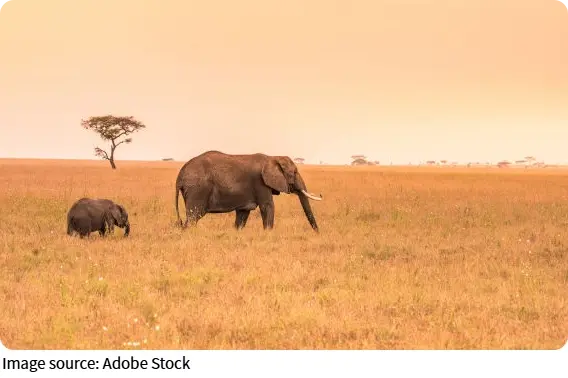
The most memorable Serengeti moments are often unpredictable: a leopard appearing in a tree, a lion crossing the track or elephants quietly emerging from the grass.
Planning matters, but leaving room for the unexpected is what turns a safari from a sightseeing trip into an experience of genuine wilderness.