Why New Plants Wilt Fast

Eleanor
| 03-11-2026
 · Plants team
When you bring home a healthy-looking plant from the store, set it on the shelf, water it, and within a week, the leaves droop and a few turn yellow.
It feels like you did something wrong. Usually you didn't. What you're watching is a plant adjusting to a completely different environment, and that adjustment is normal.
The move is the real shock
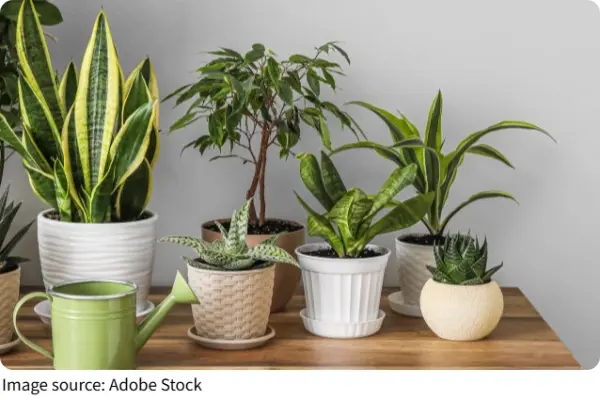
A greenhouse provides a plant with steady humidity, bright, filtered light, and gentle airflow. Your living room gives it dry air, a fraction of the light, and a draft from the window. That gap is why a fiddle leaf fig can look great in the shop and sulk for weeks on your couch. The plant has to rebuild its leaves for lower light, which is why older foliage drops first.
Stop watering on a schedule
New owners often water every few days out of worry, and soggy soil is a faster killer than dry soil. Push a finger two inches into the container before you water. If it's damp, wait. A pothos sitting in a wet saucer for a week will develop yellow leaves and mushy stems, and that damage doesn't reverse. Empty the saucer after every watering.
Hold off on feeding and repotting
Don't fertilize a plant that's still settling. Roots aren't actively growing yet, and fertilizer salts build up in the soil with nothing to absorb them. Skip repotting too, even if the nursery container looks cramped. Most plants handle a move better in their original container, and waiting four to six weeks gives the roots time to recover before you disturb them again.
Give it light, not direct sun
Place the plant where it gets the same brightness it had in the store, just out of harsh afternoon sun. A monstera that sat under shade cloth will scorch if you drop it straight into a south-facing window. Bright indirect light near an east window works for most tropical houseplants. Rotate the container a quarter turn each week to keep growth even.
Watch for pests during week one
Check the undersides of leaves and the soil surface the day you bring the plant home. Spider mites and fungus gnats often travel from the shop, and catching them early is far easier than treating an infestation later. Wipe the leaves with a damp cloth and isolate the new plant from your other plants for about two weeks.
Be patient with the unattractive phase
Some leaf drop is expected. A peace lily might lose two or three leaves and still push new growth within a month. Don't rush to fix it with more water or more light. Steady conditions beat dramatic corrections, and the plant will tell you when it's ready to grow again.
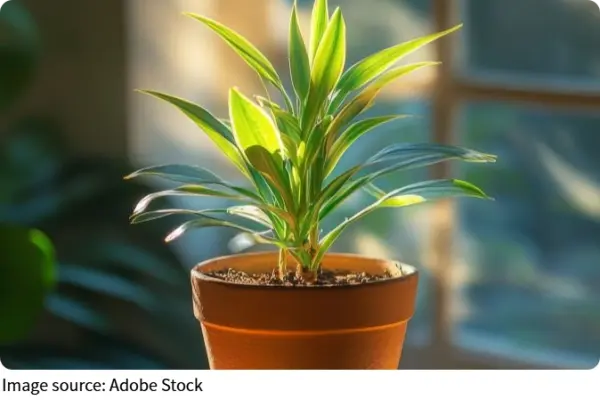
Give your new plant a few quiet weeks and let it find its footing. The drooping leaves you see now are usually a temporary response, not a death sentence. Next time you bring one home, resist the urge to fuss, keep the watering can patient, and watch what happens.