Portugal Travel Made Easy

Isla
| 02-11-2026
 · Travel team
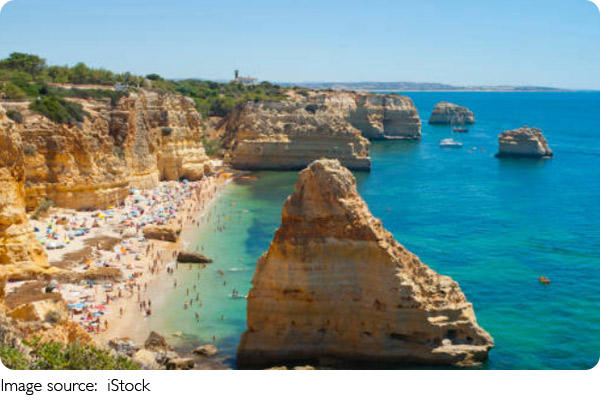
Portugal is a wonderful country to explore independently, whether you're wandering through Lisbon's colourful streets, discovering Porto's historic centre or relaxing on the Algarve's sandy beaches.
Better still, getting between major destinations is relatively straightforward, thanks to an extensive network of trains, buses and regional transport.
The secret to travelling affordably is choosing the right option for each journey. High-speed trains are ideal for connecting major cities, while buses reach smaller towns and rental cars provide flexibility in the countryside.

Explore Portugal By Train
Train travel is one of the most comfortable ways to discover Portugal. The national railway network connects Lisbon, Porto, Coimbra, Faro and numerous smaller destinations.
The fastest services, known as Alfa Pendular, travel between Lisbon and Porto in approximately three hours. Standard second-class tickets cost €35.70, while Intercidades trains offer a cheaper alternative at approximately €28.05.
For travellers heading south, the journey from Lisbon to Faro takes around three to three and a half hours, with tickets generally costing €24.55–€26.30.
Booking in advance can significantly reduce expenses. Promotional tickets may offer discounts of up to 65%, although availability is limited.
Alfa Pendular
Save Money With Long-Distance Buses
Portugal's intercity coaches provide an affordable alternative to railway travel, particularly when visiting destinations without direct train connections.
Operators such as Rede Expressos and FlixBus connect Lisbon, Porto, Coimbra and towns throughout the Algarve.
Advance fares between Lisbon and Porto can fall below €10, depending on availability. Journey times generally range from three to four hours.
Buses are also useful for exploring inland destinations, including Évora and smaller communities in the Alentejo region.
Booking online usually provides greater choice and occasionally lower prices.
Discover Lisbon With Public Transport
Lisbon's famous yellow trams, underground network and suburban trains make exploring the capital surprisingly convenient.
A standard combined Metro and Carris ticket costs €1.90, while a 24-hour pass offering unlimited journeys on participating services costs €7.25.
Travellers planning day trips can choose a €11.40 ticket covering the Metro, Carris and eligible suburban trains for 24 hours.
Suburban rail services provide easy access to nearby destinations. A single ticket from Lisbon to Sintra or Cascais costs approximately €2.40.
Walking remains an excellent way to discover central neighbourhoods, although Lisbon's steep hills can make comfortable footwear essential.
Getting Around Porto And Beyond
Porto has an efficient metro system connecting the airport, surrounding districts and central attractions.
Visitors use rechargeable Andante tickets, with prices depending on the number of zones travelled.
The city is also an excellent starting point for exploring the Douro Valley. Regional trains towards Pocinho follow the river through beautiful vineyards and mountain scenery.
For a leisurely excursion, consider travelling to Pinhão, a picturesque village known for its railway station and riverside views.
When Renting A Car Makes Sense
Hiring a car can be particularly useful in rural Portugal, including the Alentejo countryside, remote beaches and traditional mountain villages.
However, driving is less convenient in historic city centres, where narrow streets and limited parking create challenges.
Motorways frequently involve tolls, so checking rental agreements and payment arrangements is important.
For city-focused holidays, public transport is often simpler and more economical.
Planning Your Portuguese Adventure
A seven-to-ten-day itinerary allows time for Lisbon, Porto and a selection of nearby destinations. Travellers with two weeks can comfortably include the Algarve or explore smaller inland towns.
Portugal's transport network offers excellent flexibility, making it possible to combine beautiful landscapes, historic cities and coastal escapes without relying entirely on a car. Booking longer journeys early and choosing regional transport carefully can help keep travel costs manageable.