Himalayan Hiking Trails!

Kai
| 30-10-2026
 · Travel team
The Himalayas offer some of the world's most remarkable hiking landscapes, with towering peaks, deep valleys, mountain villages, and trails that pass through changing environments.
A trek here can be a rewarding experience, but it requires more preparation than an ordinary walking holiday. Altitude, weather, transport, and trail conditions all influence how comfortable and safe a journey will be. For first-time visitors, choosing a suitable route is the most important starting point.
Choose a Route That Matches Your Experience
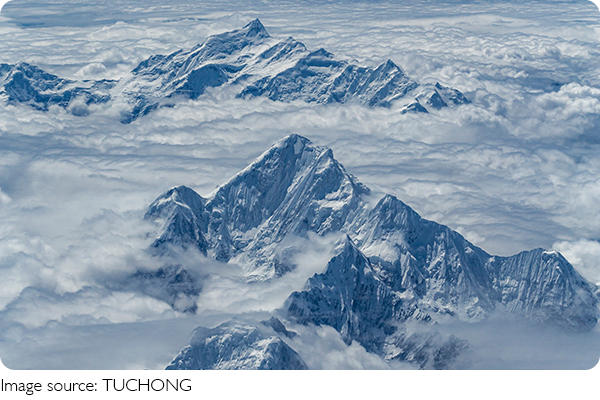
The Himalayan range stretches across several countries, including Nepal, India, and Bhutan. Each destination offers different landscapes, levels of difficulty, and travel arrangements. Nepal is a popular choice for long-distance trekking, with routes around the Everest and Annapurna regions. The Everest Base Camp trek is a demanding journey that reaches elevations above 5,000 metres, while shorter routes around the foothills can provide a gentler introduction.
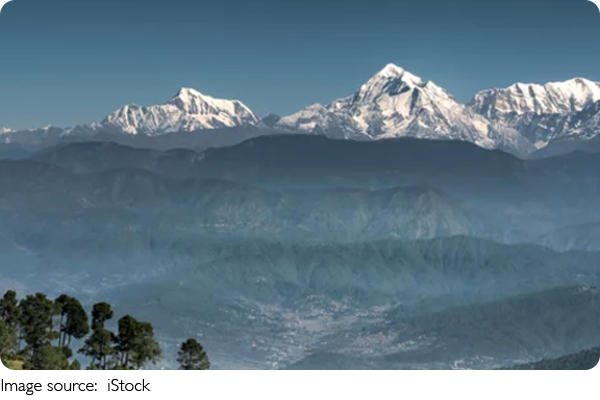
India's Uttarakhand region has walking routes through mountain valleys and forested slopes. Bhutan also offers organized trekking experiences, although visitors should plan through licensed travel companies and account for the country's specific travel requirements.
Himalayas
Plan Around the Seasons
Weather conditions can vary considerably across the Himalayas. In Nepal and Bhutan, February to March and October to November are commonly recommended trekking periods because conditions are often more suitable for walking and mountain views. In Uttarakhand, March to April and September to October are generally useful periods to consider.
Prepare Your Clothing and Equipment
Mountain temperatures can change quickly as elevation increases. Dressing in layers makes it easier to adjust to different conditions throughout the day. A practical packing list includes thermal base layers, lightweight walking trousers, fleece clothing, a warm insulated jacket, and waterproof outerwear.
Footwear deserves particular attention. Well-fitted hiking boots offer support on uneven paths, while quick-drying socks help keep feet comfortable. Break in new boots before the trip to reduce the risk of blisters. Other useful items include a headlamp, sun protection, a first-aid kit, reusable water bottle, trekking poles, and a suitable sleeping bag.
Understand Altitude and Trekking Safety
High altitude is one of the biggest challenges of Himalayan hiking. Acute mountain sickness can occur when the body has not adjusted to reduced oxygen levels, particularly above approximately 2,500 metres. A sensible itinerary includes gradual elevation gains and rest days. Avoid rushing to higher sleeping elevations, and tell your guide immediately about symptoms such as headaches, nausea, dizziness, or unusual tiredness.
Check Permits and Local Requirements
Trekking regulations differ between countries and regions. In Nepal, certain routes require conservation-area or national-park entry permits, while restricted areas have additional requirements. Rules concerning guides and trekking documentation can also vary by destination.
Bhutan requires visitors to arrange travel through an authorized tourism operator, with applicable travel charges included in the arrangements. Requirements may change, so confirm the latest information with official tourism authorities or a licensed local agency before departure. Keep copies of essential documents and carry the required permits during the trek. Organizing paperwork early can prevent unnecessary delays at checkpoints.
Estimated Trekking Costs
Basic mountain accommodation: approximately €5–€25 per person per night.
Meals during a trek: around €15–€30 per person per day.
Local trekking guide: approximately €20–€40 per day.
Porter services: around €15–€25 per day, depending on the route and arrangement.
Equipment rental: approximately €5–€20 per day for selected items.
Organized multi-day treks in Nepal: roughly €700–€1,500 per person for a supported itinerary, excluding some international travel expenses.
More comprehensive or remote trekking packages: €1,500–€3,500 or more, depending on duration and included services.
A Himalayan trek is most rewarding when the journey is planned around personal ability rather than distance or altitude alone. Good preparation helps turn a challenging outdoor journey into a more comfortable and memorable experience.