A Creamy Swiss Tart

Mariana Silva
| 19-10-2026
 · Cate team
Some of the most memorable desserts require surprisingly little effort. A handful of everyday ingredients can become something extraordinary when combined using the right technique.
Tarte Vaudoise à la crème, a traditional cream tart from the Swiss canton of Vaud, is a perfect example. This dessert combines a thin pastry base with a rich filling made from cream, sugar and butter. During baking, the ingredients transform into a smooth, sweet layer with a delicate caramel flavour.
The recipe draws inspiration from the work of celebrated Swiss chef Frédy Girardet and has been shared by British chef Henry Harris.
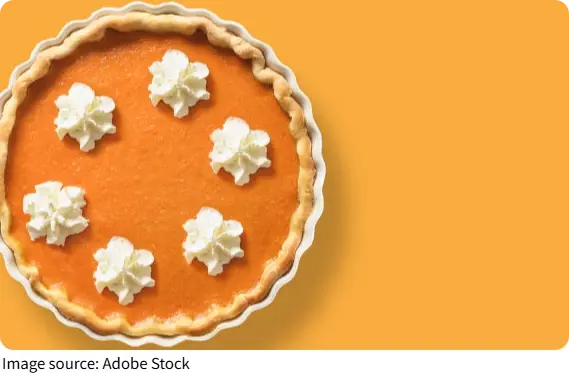
What Makes This Tart Special?
Unlike many traditional custard tarts, this version contains no eggs. Its filling develops its texture through the interaction of cream, sugar, butter and a small amount of flour.
Another unusual feature is the baking method. The pastry goes into the oven with the filling already inside, eliminating the need to bake the crust separately.
A relatively high oven temperature allows the pastry to become golden while the cream mixture bubbles and thickens.
The result is a dessert with contrasting textures: crisp pastry around the edges and a soft, rich centre.
Ingredients For The Tart
For the pastry:
140 g plain flour, plus extra for dusting
5 g baking powder
A pinch of salt
A generous pinch of caster sugar
60 g unsalted butter, softened and cut into small pieces
50 ml cold whole milk
For the filling:
100 g caster sugar
A generous pinch of plain flour
250 ml double cream
50 g cold unsalted butter, diced
A little ground cinnamon
How To Prepare The Pastry
Preheat the oven to 220°C, or 200°C if using a fan-assisted oven.
Sift the flour into a large mixing bowl. Add the baking powder, salt and sugar, stirring until evenly combined.
Add the softened butter and rub it into the dry ingredients with your fingertips. Continue until the mixture resembles coarse breadcrumbs.
Pour in the cold milk and gently bring everything together into a soft dough. Avoid excessive kneading, which can make the pastry tougher.
Roll out the dough on a lightly floured surface until it is large enough to cover the base and sides of a 25 cm tart tin.
Carefully transfer the pastry to the tin, pressing it into the edges. Pierce the base several times with a fork.
There is no need to chill or rest the dough before baking. Because it contains baking powder, leaving it for too long could affect how it rises in the oven.
Making The Cream Filling
Combine the caster sugar with a generous pinch of flour.
Sprinkle the mixture evenly across the uncooked pastry base.
Slowly pour the double cream over the sugar, distributing it across the tart.
Scatter the cold butter pieces over the surface, then finish with a light dusting of cinnamon.
The filling does not need to be whisked or cooked beforehand. Its ingredients will combine as the tart bakes.
Baking The Tart To Perfection
Place the tart in the preheated oven and bake for approximately 25 minutes.
During baking, the cream mixture should bubble vigorously and gradually thicken. The pastry edges will become golden brown.
The filling may appear slightly uneven or almost separated towards the end of baking. This is part of the intended cooking process.
Remove the tart once the pastry has developed a deep golden colour and the filling has visibly thickened.
Place the tin on a wire rack and leave the dessert to cool completely before removing it.
Cooling is important because the filling continues to settle as its temperature falls.
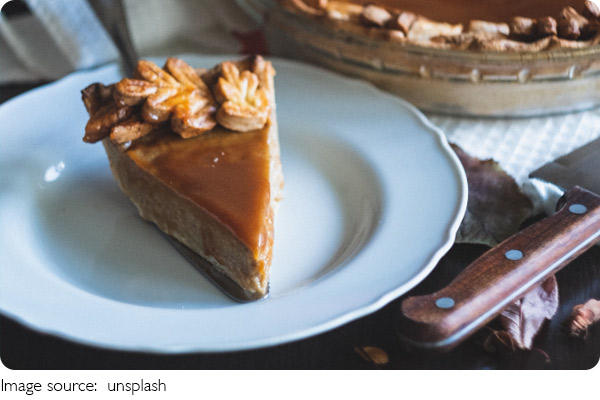
Tips For The Best Results
Choose a rich cream rather than a lighter alternative. Its higher richness contributes to the tart's characteristic texture and depth.
Use cold butter for the filling and distribute the pieces evenly to encourage consistent baking.
Avoid reducing the oven temperature unnecessarily. Strong initial heat is important for cooking the pastry beneath the liquid filling.
Finally, resist cutting the tart while it is still hot. Allowing it to cool makes slicing easier and helps the filling hold together. Serve in small wedges, either on its own or with fresh berries for a pleasantly contrasting flavour.