Mastering Motorcycle Skills

Simone
| 16-10-2026
 · Automobile team
Professional motorcycle riding combines coordination, awareness, and precise control.
Developing these abilities helps riders respond smoothly to changing road conditions, maintain a consistent riding line, and make informed decisions.
Strong fundamentals and purposeful practice provide the foundation for continuous improvement.
Developing the Right Riding Position
A balanced posture supports effective motorcycle control. Keep the shoulders relaxed, elbows slightly bent, and hands comfortably positioned on the handlebars. Rest the knees naturally against the motorcycle where its design allows, with the feet correctly placed on the footrests.
Direct the eyes toward the intended path rather than immediately in front of the front wheel. Looking ahead helps riders assess curves, recognize changes in the road, and prepare for upcoming manoeuvres.
Keep body movements coordinated and deliberate. A comfortable position allows the rider to operate the controls smoothly while maintaining a stable connection with the motorcycle.
Mastering Clutch and Gear Control
On motorcycles with manual transmissions, the clutch manages the connection between the engine and drivetrain, allowing smooth starts and gear changes.
When moving away from a stop, release the clutch progressively while applying suitable throttle. Coordinating these actions helps produce steady acceleration and a controlled departure.
Select gears according to speed, engine response, and riding conditions. Well-timed shifts support smooth power delivery and efficient operation. Practise starting, stopping, and changing gears in a designated training area until the movements become consistent.
Applying Effective Braking Techniques
Effective braking depends on progressive pressure, coordination, and an understanding of the motorcycle's braking system. The front and rear brakes work together to reduce speed, with the front brake generally providing most of the stopping force.
Apply the brakes smoothly to maintain control as the motorcycle slows. The appropriate contribution from each brake varies with speed, surface conditions, and motorcycle design.
Practise controlled stops in a spacious training area and become familiar with the motorcycle's braking characteristics. If equipped with an anti-lock braking system (ABS), understand how it helps prevent wheel lock during braking. On wet, loose, or uneven surfaces, adjust speed and braking inputs to suit the available tire grip.
Improving Cornering and Balance
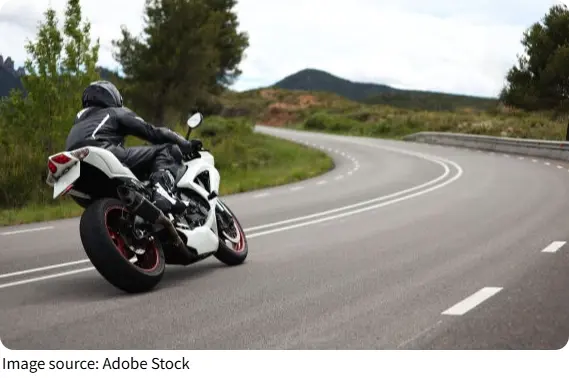
Accurate cornering requires effective vision, appropriate speed, coordinated steering, and balanced body positioning. Assess the curve before entering and reduce speed while the motorcycle is upright whenever practical.
Look toward the intended exit of the turn to help guide the riding line. Use smooth steering inputs and maintain a comfortable, consistent posture throughout the manoeuvre. Make throttle adjustments progressively to support stable handling.
Motorcycles lean when following a curved path. Develop cornering technique through gradual practice under suitable conditions. Structured instruction helps riders refine their skills while maintaining appropriate speeds and controlled movements.
Strengthening Road Awareness
Good road awareness enables riders to assess their surroundings and anticipate changes before they require immediate action. Observe the road ahead, check mirrors regularly, and perform appropriate shoulder checks before changing lanes.
Pay attention to surface conditions, visibility, intersections, traffic flow, and the positions of nearby vehicles. These observations help riders select suitable speeds and plan their movements.
Maintain sufficient following distance to allow time for observation and braking. Signal clearly, position the motorcycle appropriately, and make movements predictable so other road users can understand the rider's intentions.
Building Skills Through Practice
Consistent improvement comes from focused exercises, useful feedback, and gradual progression. Practise starts, controlled stops, gear changes, low-speed manoeuvres, and turns in a suitable training environment.
Choose one or two objectives for each session and concentrate on performing them accurately. As coordination improves, gradually introduce more complex exercises while keeping the practice conditions appropriate to current ability.
Professional instruction can help refine technique and provide guidance suited to the motorcycle and rider's experience. Wear suitable protective equipment, including a properly fitted helmet, gloves, a protective riding jacket, long trousers, and sturdy footwear. Regular inspections and correct tire pressures also support predictable handling.
Achieving Consistent Riding Excellence
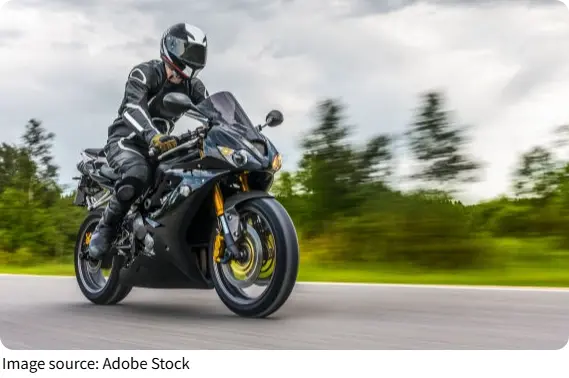
Skilled motorcycle riding develops through disciplined practice and careful attention to technique. A balanced posture, coordinated controls, effective braking, accurate cornering, and continuous observation form the foundation of proficient riding.
By strengthening these fundamentals and progressing at a manageable pace, riders can improve precision, build confidence, and respond effectively to changing conditions. True riding proficiency means maintaining smooth control, sound judgment, and responsible habits throughout every journey.