How Slipper Clutches Work

Malcolm
| 16-10-2026
 · Automobile team
A slipper clutch is a motorcycle component designed to manage engine braking during downshifts.
By regulating the torque transmitted through the drivetrain, it helps maintain a more controlled transition between gears.
Its engineering combines clutch mechanics with practical riding benefits, making it a valuable feature on motorcycles designed for precise handling and smooth deceleration.
Why Slipper Clutches Matter
When a motorcycle shifts into a lower gear, the engine may need to adjust rapidly to match the speed required by the transmission. This difference can generate back-torque, transferring force through the drivetrain and affecting rear-wheel traction.
A slipper clutch helps manage this force by temporarily reducing the pressure between the clutch plates when deceleration torque reaches the mechanism’s operating threshold. This controlled slip limits the amount of engine braking transmitted to the rear wheel, supporting smoother downshifts and more consistent handling.

How the Mechanism Works
Many slipper clutches use specially shaped ramps or cam surfaces within the clutch assembly. Under acceleration, these components help maintain sufficient clamping force to transfer engine power through the transmission to the rear wheel.
During a downshift, torque can act in the opposite direction. The ramp mechanism responds to this force by reducing the pressure between the clutch plates, allowing controlled slippage. This moderates the engine-braking effect while preserving some torque transmission.
The mechanism therefore helps the rear wheel accommodate changes in drivetrain load more progressively, particularly during rapid gear changes and corner entry.
Understanding Assist-and-Slipper Clutches
Some motorcycles use an assist-and-slipper clutch, which combines two complementary functions. The slipper mechanism manages back-torque during deceleration, while the assist mechanism increases clamping force when engine power drives the transmission.
This additional clamping force can allow lighter clutch springs, reducing the effort needed to operate the clutch lever. Riders can benefit from easier clutch operation alongside smoother downshifts, depending on the system’s design.
Riding Techniques for Smoother Downshifts
A slipper clutch works best when combined with deliberate gear selection and smooth control inputs. Choosing an appropriate lower gear and releasing the clutch progressively helps the motorcycle transition through deceleration in a controlled manner.
Rev matching can further improve the process. This technique involves raising engine speed before or during a downshift to bring it closer to the speed required by the lower gear. Matching engine speed reduces the difference between drivetrain speeds and helps create a smoother transition.
Progressive braking, suitable entry speed, and consistent tire maintenance also contribute to predictable motorcycle handling. These practices complement the clutch mechanism and help riders maintain control across changing road conditions.
Benefits for Motorcycle Control
By moderating back-torque, a slipper clutch can reduce rear-wheel hopping and help the motorcycle remain more composed during downshifts. This is particularly useful when preparing for a corner, where smooth deceleration and predictable traction support precise control.
The level of assistance depends on the clutch design, motorcycle setup, road surface, and riding technique. A slipper clutch supports effective gear changes but does not replace proper braking, appropriate gear selection, or attentive riding.
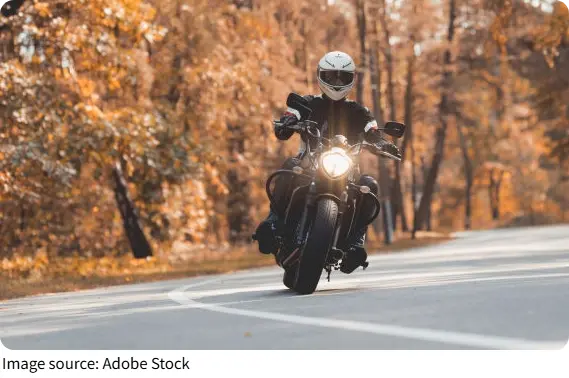
A slipper clutch combines mechanical design with practical performance benefits. By managing back-torque and moderating engine braking, it supports smoother downshifts and more predictable rear-wheel behavior. When paired with sound riding techniques, this technology contributes to the controlled, responsive handling expected from modern motorcycles.