Kokum: Benefits and Uses

Mariana Silva
| 15-10-2026
 · Cate team
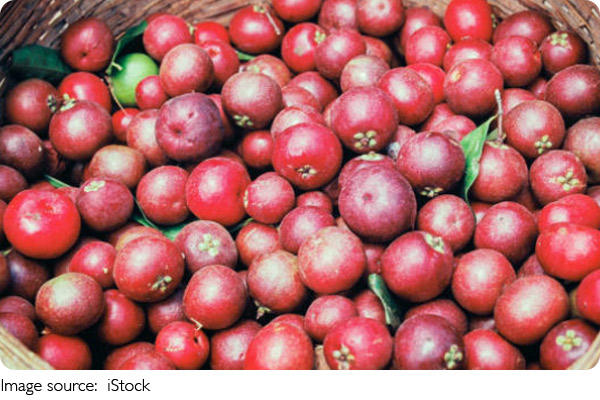
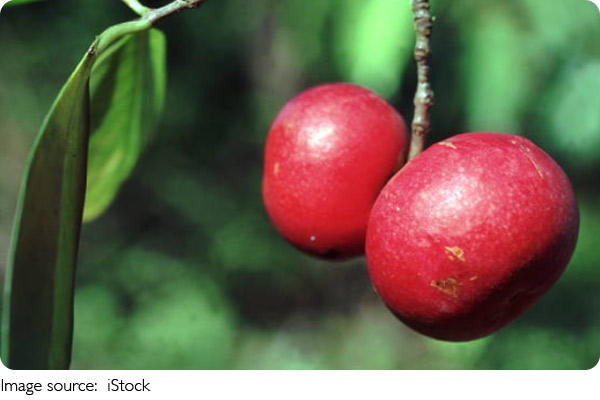
Kokum (Garcinia indica) is a tropical fruit native to India’s Western Ghats.
Known for its deep-red to purple color and tangy flavor, it is valued for its versatility in traditional cooking and its naturally occurring plant compounds.
What Is Kokum?
Kokum belongs to the Garcinia genus. Its rind is commonly dried and used to add acidity to regional dishes, while the fruit is also processed into syrups and refreshing beverages.
Potential Health Benefits
Contains Antioxidant Compounds
Kokum contains anthocyanins, plant pigments associated with antioxidant activity in laboratory studies. However, more research is needed to determine whether consuming kokum provides meaningful antioxidant benefits in humans.
Contains Bioactive Plant Compounds
Kokum contains garcinol, hydroxycitric acid, and other plant compounds that have attracted scientific interest. Although preliminary research has investigated their biological effects, much of the evidence comes from laboratory and animal studies.
Lim et al. state, “Further study at the clinical level is needed to establish the efficacy and safety of G. indica in humans.”
Traditional Digestive Uses
Kokum has traditionally been used to support digestive wellness. However, clinical evidence remains insufficient to confirm specific digestive benefits or establish it as a treatment for digestive conditions.
How Kokum Is Used
Cooking
Dried kokum rind adds a distinctive sour flavor to curries, vegetable dishes, chutneys, and sauces. Its tangy taste helps balance the flavors of other ingredients.
Beverages
Kokum extract can be mixed with water and a sweetener to create a refreshing, tangy drink. The nutritional content depends on the ingredients and the amount of added sweetener.
Available Forms
Kokum is available as fresh fruit, dried rind, and prepared syrup. Dried rind is particularly useful in cooking, while syrup is commonly used in beverages.
Buying and Storing Kokum
Choose dried kokum that is clean and free from visible mold or unusual odors. Store it in an airtight container in a cool, dry place away from moisture and direct sunlight. Follow the manufacturer's storage instructions for prepared products.
Kokum is a distinctive tropical fruit valued for its tangy flavor, culinary versatility, and naturally occurring plant compounds. While preliminary research has identified potentially interesting biological properties, further human studies are needed to establish its health benefits. Its best-established role remains that of a flavorful ingredient in traditional cooking and beverages.