Fresh Produce Benefits

Chandan Singh
| 15-10-2026
 · Cate team
Fresh fruits and vegetables add color, flavor, and valuable nutrients to everyday meals.
Apples, melons, pineapples, avocados, and pumpkins each offer a distinctive combination of vitamins, minerals, fiber, and beneficial plant compounds.
Including a variety of produce in your daily diet helps support balanced nutrition while making meals more appealing. Choosing different colors, flavors, and textures is a simple way to enjoy a wider range of nutrients.
Why Fruits and Vegetables Matter
Fruits and vegetables supply nutrients that support normal body functions. Vitamin C contributes to normal immune function, while beta-carotene in vegetables such as pumpkins can be converted into vitamin A, which supports normal vision. Dietary fiber helps maintain digestive health and can promote feelings of fullness. The World Health Organization emphasizes the importance of eating enough produce each day: “Eat at least 400 g (5 portions) of fruits and vegetables every day.”
The Benefits of Popular Fruits
Apples for Fiber
Apples provide dietary fiber, including pectin, as well as naturally occurring plant compounds. Eating a thoroughly washed apple with its skin helps you obtain more fiber. Enjoy one as a snack or add slices to oatmeal and salads.
Melons for Hydration
Melons have a high water content, making them refreshing choices, particularly in warm weather. Depending on the variety, they also provide vitamin C and potassium. Serve chilled melon as a snack or combine it with other fruits.
Pineapples for Vitamin C
Pineapples provide vitamin C and manganese alongside their naturally sweet, tangy flavor. They also contain bromelain, a group of enzymes that break down proteins. Enjoy fresh pineapple on its own or add it to smoothies and fruit salads.
Avocados for Unsaturated Fats
Avocados contain predominantly unsaturated fats, along with dietary fiber and potassium. Their creamy texture makes them a versatile addition to whole-grain toast, sandwiches, and salads.
Nutritious Vegetables for Everyday Meals
Pumpkins for Beta-Carotene
Pumpkins provide beta-carotene, which the body can convert into vitamin A. They also contain fiber and have a naturally sweet flavor that works well in soups, roasted dishes, and homemade purées.
Colorful Vegetables for Nutrient Variety
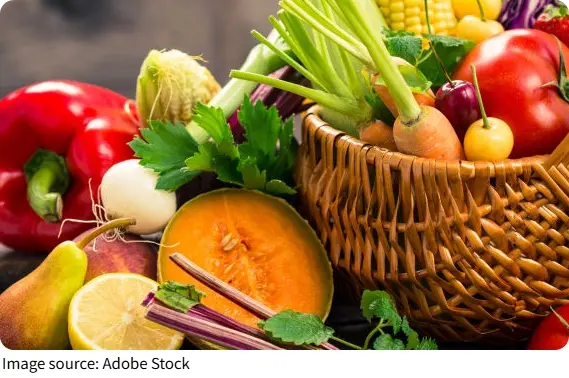
Leafy greens, carrots, broccoli, and peppers provide different combinations of vitamins, minerals, and plant compounds. Eating a variety of vegetables throughout the week helps broaden your nutrient intake.
Fresh produce is not the only nutritious option. Frozen vegetables and fruit, along with suitable canned varieties, can also contribute to a balanced diet. Check product labels for added sugars or excessive sodium when relevant.
Simple Ways to Enjoy More Produce
Small changes can make fruits and vegetables a regular part of everyday meals.
- Improve breakfast: Add apples or melon to oatmeal, or serve pineapple alongside whole-grain toast.
- Prepare convenient snacks: Wash and portion fruit in advance for easy access between meals.
- Enrich main dishes: Add pumpkin, carrots, leafy greens, or broccoli to soups and grain bowls.
- Prepare colorful salads: Combine fresh vegetables with avocado and a simple lemon dressing.
- Explore cooking methods: Steam, roast, or bake vegetables to enjoy different flavors and textures.
- Choose seasonal options: Buy locally available seasonal produce for variety and potentially better value.
Choosing and Storing Fresh Produce
Choose fruits and vegetables with their characteristic color and texture, avoiding items with visible mold, extensive bruising, or signs of decay. Look for firm apples, melons without significant soft spots, and pineapples without obvious damage.
Select avocados according to when you plan to eat them. Firmer fruit is suitable for later use, while fruit that yields slightly to gentle pressure is generally ready to enjoy.
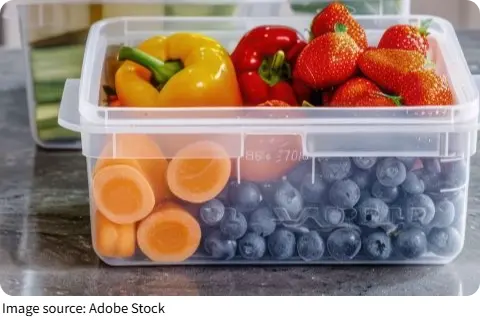
Store produce appropriately to maintain quality and reduce waste. Refrigerate cut fruits and vegetables promptly in clean, covered containers, and wash fresh produce under running water before preparing or eating it. Keep ethylene-producing fruits away from sensitive produce when appropriate, as ethylene can accelerate ripening.
Build Healthier Eating Habits with Fresh Produce
Fruits and vegetables provide a practical foundation for balanced eating. Each variety contributes different nutrients, flavors, and textures, making it easier to create enjoyable and varied meals.
Rather than relying on a single food, focus on variety and consistency. Choose produce you enjoy and incorporate it into meals and snacks throughout the week to establish sustainable, nutritious eating habits.