Namibia's Ultimate Road Trip

Simone
| 15-10-2026
 · Travel team
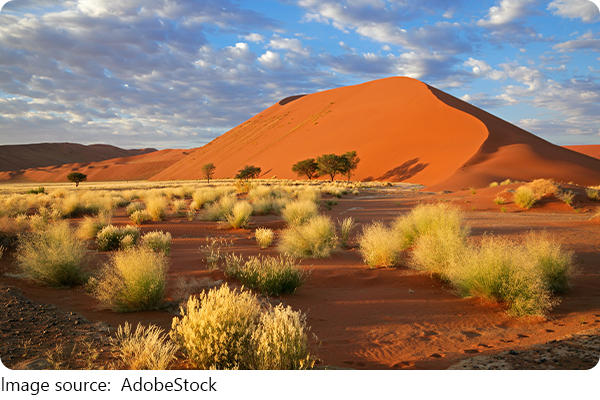
Imagine driving along an empty desert road, surrounded by towering red dunes, dramatic mountains and landscapes stretching endlessly towards the horizon. Namibia is one of Africa's most extraordinary destinations for a road trip, offering remarkable natural beauty and the freedom to explore at your own pace.
From the ancient Namib Desert to the wildlife-rich plains of Etosha National Park, a two-week journey reveals the country's incredible diversity. With thoughtful planning, comfortable accommodation and a reliable vehicle, this adventure can be surprisingly accessible.
Days 1–2: Windhoek And Sossusvlei
Begin in Windhoek, Namibia's capital, where you can collect your rental vehicle and purchase supplies before heading southwest towards the Namib Desert.
The journey to Sesriem takes approximately five to six hours, depending on road conditions. Spend the night nearby before exploring Sossusvlei at sunrise.
Climb the famous Dune 45, admire the enormous Big Daddy dune and photograph Deadvlei, where ancient dead trees stand against white clay and brilliant orange sand.
Budget approximately €15–25 per person for park admission, depending on the applicable fees.
Days 3–4: Discover Swakopmund
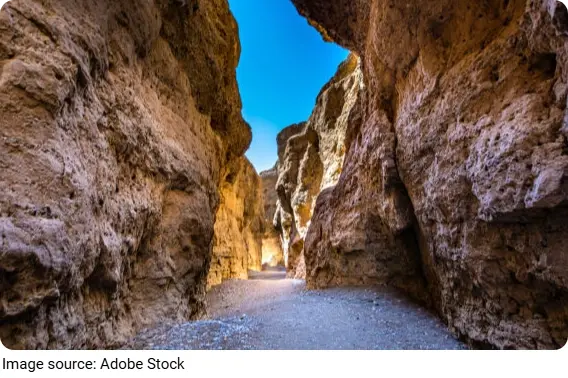
Continue towards the Atlantic coast, stopping in Solitaire for its famous apple pie before crossing the dramatic Kuiseb Canyon.
Swakopmund offers a refreshing contrast to the desert, with historic architecture, seaside promenades and exciting outdoor activities.
Try sandboarding for approximately €35–55 or join a guided quad-biking excursion from around €45–75.
Nearby Walvis Bay is famous for its flamingos and coastal scenery. Boat excursions typically cost €45–80 per person.
Days 5–6: Explore Wild Damaraland
Travel north towards Damaraland, stopping at Spitzkoppe to admire its spectacular granite formations.
This remote region offers opportunities to discover desert-adapted elephants, fascinating geological landscapes and ancient rock art.
Visit Twyfelfontein, a UNESCO World Heritage Site containing thousands of prehistoric engravings. Guided visits generally cost around €10–20 per person.
Consider spending two nights in the region to enjoy its peaceful atmosphere and avoid rushing between attractions.
Namibia
Days 7–10: Safari In Etosha National Park
Etosha is one of southern Africa's outstanding wildlife destinations. Its enormous salt pan, open plains and numerous waterholes create excellent opportunities to observe animals.
Lions, elephants, giraffes, zebras and rhinoceroses inhabit the park, although sightings depend on luck and seasonal conditions.
Spend three full days exploring different sections of Etosha. Staying inside the park provides convenient access to early-morning and late-afternoon game drives.
Allow approximately €15–25 per person per day for park fees, with vehicle charges additional.
Days 11–14: Erongo And Windhoek
Begin your return journey through the beautiful Erongo Mountains, where rocky landscapes and peaceful nature reserves offer excellent hiking opportunities.
Spend a night or two exploring the region before returning to Windhoek.
On the way, consider stopping at Okahandja to browse traditional handicrafts and locally produced souvenirs.
Keep your final day relatively relaxed, allowing sufficient time to return your rental vehicle before departure.
How Much Does A Namibia Road Trip Cost?
Namibia offers accommodation for different budgets, although vehicle rental and fuel can represent significant expenses.
Approximate costs include:
4×4 vehicle rental: €45–85 per day
Campsites: €10–25 per person per night
Mid-range lodges: €65–150 per person per night
Food: €15–35 per person daily
Fuel: €250–400 for a two-week circuit
International return flights: €700–1,400
For 14 days, budget approximately €1,500–2,500 per person excluding flights, assuming two travellers share a vehicle and accommodation.
When Is The Best Time To Visit?
May to October offers generally dry weather and excellent wildlife viewing. July and August are especially popular, while May and September can provide a quieter experience.
November to March brings hotter temperatures and occasional heavy rainfall, which can make some gravel roads difficult to navigate.
For first-time visitors, September offers a particularly appealing combination of comfortable conditions and wildlife opportunities.
Essential Tips For A Safe Journey
A high-clearance 4×4 is recommended for exploring remote areas, although some major routes are accessible in conventional vehicles.
Remember that Namibia drives on the left. Gravel roads require extra caution, and travelling after dark outside towns is best avoided because of wildlife and limited visibility.
Carry drinking water, spare tyres, offline maps and emergency supplies. Refuel whenever possible, as petrol stations can be widely spaced.
With its extraordinary landscapes, memorable wildlife encounters and peaceful open roads, Namibia promises a journey filled with discovery, adventure and unforgettable moments.