Art Meets New Visions!

Mariana Silva
| 13-10-2026
 · Art team
The exhibition, titled Wesselmann x Matsuyama, brought together seven works by Wesselmann and five by Matsuyama inside the Cooper Square studio.
Wesselmann used the space during the final decade of his life, from 1994 until his death in 2004. The presentation was organized by his estate with support from the Almine Rech gallery.
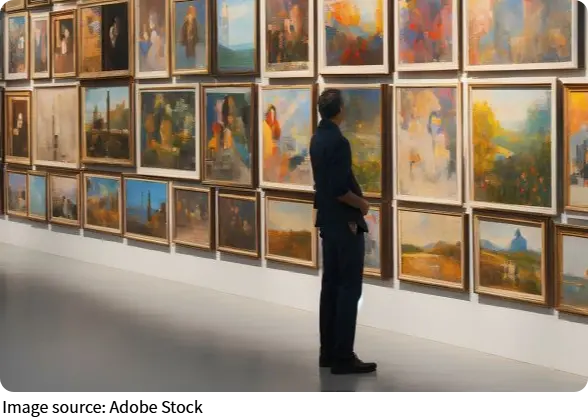
The studio setting gives the exhibition a personal dimension. Rather than presenting the paintings in a conventional gallery, the organizers placed them in the environment where Wesselmann developed much of his later work. The project also builds on an earlier presentation at Fondation Louis Vuitton in Paris during 2024–2025, where works by the two artists appeared alongside one another.
Two Artists, Shared Visual Interests
Wesselmann became an important figure in American Pop Art, a movement that brought familiar elements of everyday life into contemporary painting. Advertisements, commercial packaging, and household objects became subjects worthy of artistic attention.
Matsuyama approaches similar material from a contemporary perspective. His paintings combine references to popular imagery, historical artworks, and different cultural traditions. By layering these influences, he creates detailed compositions that invite viewers to look closely at the relationship between ordinary objects and artistic expression.
Both artists favor vivid colors, visually crowded arrangements, and recognizable imagery. However, their work reflects different periods and experiences. Wesselmann examined the visual language of American consumer culture during the second half of the 20th century, while Matsuyama draws on a broader mixture of international influences.
When Everyday Objects Become Art
One of the exhibition's central comparisons pairs Wesselmann’s Still Life #35 (1963) with Matsuyama’s We The People (2025). Both works use large-scale compositions to examine familiar consumer products, demonstrating how ordinary packaging and household goods can become central subjects in painting.
Wesselmann’s work arranges recognizable branded products within a still-life composition. Matsuyama takes a different approach, presenting a supermarket environment populated by figures whose poses refer to historical European painting. The contrast encourages viewers to consider how consumer habits have developed and how everyday products influence the way people understand modern life.
Matsuyama’s composition also connects contemporary shopping environments with established artistic traditions. Historical references appear alongside modern packaging, bringing different periods into the same scene.
Reinterpreting Art History
Matsuyama’s paintings frequently incorporate recognizable elements from earlier artworks, but he does not simply reproduce existing images. He places familiar references in new settings, changes their scale, and combines them with contemporary details.
This method raises an interesting question: when an artist borrows an image, what makes the resulting work original? In Matsuyama’s case, the answer lies partly in how he rearranges visual information and introduces new relationships between its elements. His compositions can bring together references to celebrated painters, commercial design, and interior decoration. These combinations encourage viewers to consider how artistic ideas travel between generations and acquire different meanings in new contexts.
The meeting of Tom Wesselmann and Tomokazu Matsuyama in Cooper Square demonstrates how artistic ideas can remain relevant long after their original creation. Their works share an interest in vivid imagery, familiar objects, and the visual language of everyday life, yet each artist approaches these subjects from a distinct perspective.
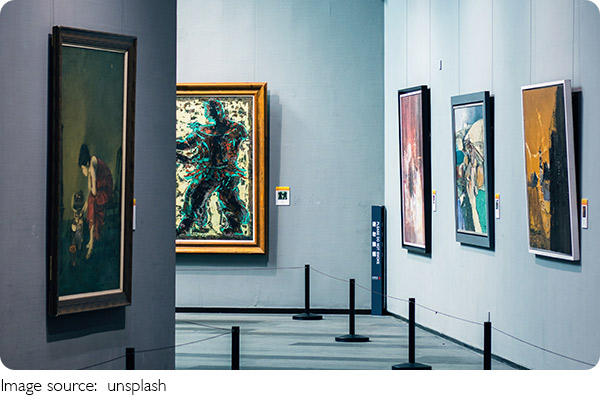
By placing the paintings inside Wesselmann’s former studio, the exhibition connects the history of Pop Art with contemporary creative practice. It also invites visitors to reconsider the objects and images surrounding them, showing how ordinary visual experiences can become meaningful subjects for art.