Mobility and Recovery

Ravish Kumar
| 09-10-2026
 · News team
Mobility plays an important role in maintaining independence and participating in everyday life.
Strength, flexibility, coordination, and balance all contribute to comfortable movement.
Rehabilitation, appropriate mobility aids, and an accessible home environment can help older adults maintain physical function and manage daily activities with greater confidence.
How Rehabilitation Supports Mobility
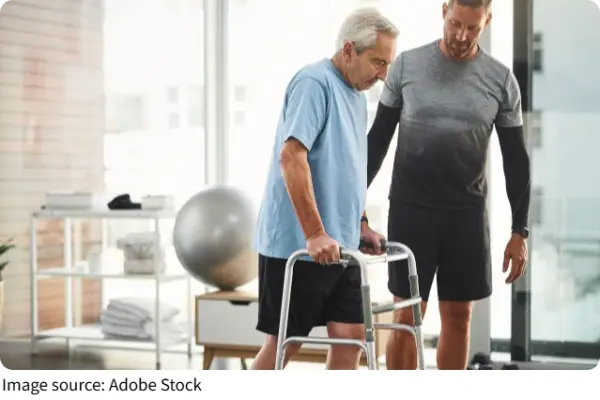
Rehabilitation is an individualized process that helps people regain or maintain physical abilities following illness, injury, surgery, or changes in physical function. Depending on personal needs, it may include physical therapy, therapeutic exercises, balance training, and practical strategies for everyday activities.
A physical therapist can assess strength, flexibility, coordination, and walking ability before developing a personalized program. Goals may include improving endurance, practising functional movements, and making activities such as standing, climbing stairs, and walking more manageable.
The rehabilitation plan should reflect each person's abilities and priorities. Regular assessments allow healthcare professionals to adjust exercises and support progress toward meaningful daily goals.
Choosing Suitable Walking Aids
Walking aids provide additional support for people who benefit from assistance with movement or balance. The most appropriate device depends on individual needs, physical abilities, and professional assessment.
The World Health Organization emphasizes the value of assistive technology for older people, stating: “timely provision of assistive technology for older people can improve their independence and safety as well as enable them to live at home for as long as possible.”
- Canes: Provide additional support for people who need assistance with balance while walking.
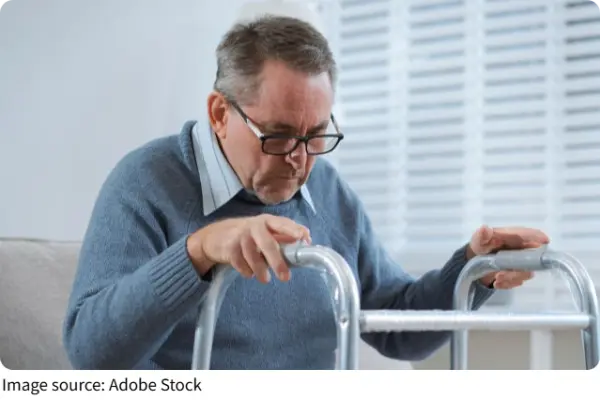
- Walkers: Offer a stable frame for people who require greater support during movement.
- Rollators: Feature wheels and hand brakes, with some models offering a seat for resting.
- Crutches: Help redistribute weight away from an affected leg when appropriate for a person's condition.
A healthcare professional or physical therapist can recommend a suitable device, adjust its height, and demonstrate the correct technique. Proper fitting and instruction help ensure that the aid provides appropriate support during everyday activities.
Exercises for Everyday Movement
A tailored exercise program can help maintain muscle strength, flexibility, balance, and endurance. The choice of activities should reflect individual abilities, health needs, and rehabilitation goals.
Common exercises may include:
- Sit-to-stand practice: Develops the strength needed to rise from a chair and perform everyday transfers.
- Supported heel raises: Strengthen the lower-leg muscles while using a stable surface for support.
- Gentle walking: Helps maintain endurance and practise functional movement.
- Balance training: Develops postural control through activities suited to the individual's abilities.
- Flexibility exercises: Help maintain comfortable joint movement during daily tasks.
Exercises should be performed with appropriate technique and progressed gradually. A healthcare professional can recommend suitable activities and demonstrate modifications based on individual needs.
Creating an Accessible Home
A well-organized living environment can make everyday movement more comfortable and support independence.
Keep walkways clear, improve lighting, secure loose rugs, and place frequently used items within easy reach. Wall-mounted hand supports and suitable bathroom safety equipment can provide additional assistance with daily activities. Well-fitting footwear with good grip can also help support stable movement.
Arrange furniture to provide enough space for walking aids and make frequently used areas easy to access. Professional advice can help identify practical adjustments that suit the person's mobility needs and home layout.
Supporting Independence Through Daily Care
Rehabilitation also focuses on helping people manage everyday tasks in ways that suit their abilities. Occupational therapy can provide practical strategies for dressing, bathing, preparing meals, and moving around the home.
Family members and caregivers can contribute by encouraging recommended activities, helping maintain an accessible environment, and allowing individuals to complete tasks they can manage independently. The appropriate level of assistance should reflect personal preferences and functional abilities.
Regular follow-up appointments allow healthcare professionals to review progress, refine exercise plans, and reassess whether existing mobility aids remain suitable.
Maintaining Mobility Over Time
Rehabilitation, appropriate walking aids, regular physical activity, and an accessible home environment can work together to support mobility and independence. The most effective approach is personalized to each person's health, abilities, and everyday goals.
With professional guidance, consistent practice, and regular reassessment, older adults can work toward maintaining physical function, managing daily activities more comfortably, and preserving their independence.