Healthy Breakfast for Kids

Lucas Schneider
| 31-08-2026
 · News team
Breakfast gives children an opportunity to consume important nutrients needed for growth, development, learning, and daily activity.
A nutritious meal can combine protein, whole grains, fruits, vegetables, dairy or suitable fortified alternatives, and sources of unsaturated fatty acids.
A healthy breakfast does not need to be complicated. Offering a variety of nutrient-rich foods throughout the day is more important than creating a perfect meal every morning.
Eggs
Eggs provide high-quality protein along with vitamin B12, choline, and other nutrients. Protein helps build and maintain body tissues during childhood.
Serve eggs with whole-grain toast and fruit for a simple, balanced breakfast.
Whole-Grain Toast
Whole-grain bread provides carbohydrates for energy, fiber, and other nutrients. Including whole grains regularly can contribute to a nutritious eating pattern.
Whole-grain toast can be paired with eggs, avocado, yogurt, or an age-appropriate nut or seed butter.
Bananas
Bananas provide carbohydrates, fiber, and potassium. Potassium supports normal muscle and nerve function.
Sliced banana can be added to oatmeal or yogurt, served with whole-grain toast, or enjoyed on its own.
Blueberries
Blueberries provide fiber, vitamins, and naturally occurring plant compounds. Offering different fruits adds variety to a child's diet.
Fresh or frozen blueberries can be added to oatmeal or plain yogurt or served alongside other breakfast foods.
Milk
Milk provides protein, calcium, and several other nutrients. Calcium is important for normal tooth development and maintenance during childhood.
Milk can accompany breakfast or be added to oatmeal. Children who do not consume dairy may use an appropriate fortified alternative, although nutritional content varies among products.
For children younger than 12 months, infant formula is generally used as the primary milk source, while cow's milk is not recommended as the main drink.

Yogurt
Yogurt can provide protein and calcium and works well with other breakfast foods. Plain yogurt combined with fruit and whole grains makes a convenient option.
When choosing packaged yogurt, parents can check the nutrition information for products with less added sugar.
Oatmeal
Oatmeal is a convenient whole-grain food that provides carbohydrates, fiber, and several micronutrients.
It can be prepared with milk and topped with fruit. An age-appropriate nut or seed butter can add protein and unsaturated fatty acids.
Avocado
Avocado provides unsaturated fatty acids, fiber, vitamins, and minerals. Unsaturated fatty acids provide energy and help the body absorb certain vitamins.
Mashed avocado can be spread on whole-grain toast and served with egg or fruit.
Vegetables
Vegetables provide fiber, vitamins, minerals, and other plant compounds. Offering different vegetables can help children become familiar with a wider range of foods.
Cooked vegetables can be added to eggs or served with toast and fruit. Pairing a new vegetable with a familiar food may encourage children to try it.
Nuts and Seeds
Nuts and seeds provide protein, unsaturated fatty acids, fiber, and minerals. They can be added to oatmeal or yogurt or served as an age-appropriate nut or seed butter.
Young children should not be given whole nuts because their shape and texture can present a choking hazard. Caregivers should choose preparations appropriate for the child's age and eating abilities.
A Simple Breakfast Formula
A nutritious breakfast can combine several food groups without following a strict formula. For example, parents can pair:
- Protein: eggs, yogurt, or milk
- Whole grains: oatmeal or whole-grain bread
- Fruit or vegetables: bananas, blueberries, or cooked vegetables
- Unsaturated fatty acids: avocado, nuts, seeds, or an appropriate nut or seed butter
- Drink: water or a suitable milk option
Not every meal needs to contain every category. Variety throughout the day is what matters most.
Supporting Brain Development
Children need adequate energy and nutrients during periods of rapid development. Nutrients such as protein, iron, zinc, iodine, choline, and vitamin B12 contribute to normal growth and important physiological processes.
Rather than relying on individual “brain foods,” parents can focus on a varied eating pattern that includes foods from different food groups.
The Centers for Disease Control and Prevention states, “Children need nutrient-dense foods daily for healthy growth and brain development.”
Easy Breakfast Ideas
These combinations can make nutritious breakfasts simple:
- Whole-grain toast with egg and avocado, served with blueberries
- Oatmeal prepared with milk and topped with banana
- Plain yogurt with blueberries and oats
- Egg with whole-grain toast and cooked vegetables
- Oatmeal with banana and an age-appropriate nut or seed butter
Meals can be adjusted according to a child's age, appetite, preferences, and dietary needs.
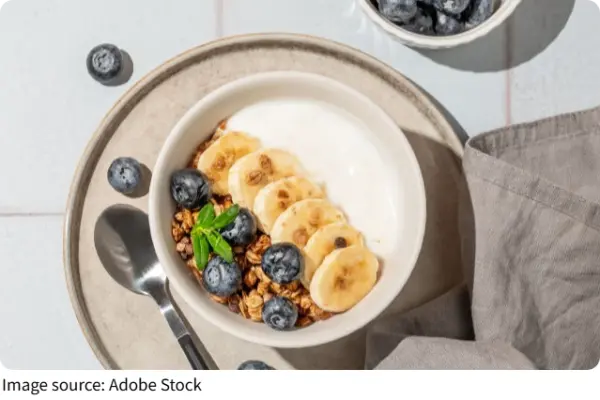
A healthy breakfast for kids does not depend on one special food or an elaborate recipe. Eggs, whole grains, fruits, vegetables, milk, yogurt, oatmeal, avocado, nuts, and seeds can all contribute useful nutrients to a balanced eating pattern.
Keeping breakfast simple, varied, and appropriate for a child's age can make nutritious eating easier for the whole family while supporting children's healthy development and everyday well-being.