SUV's Keep Their Boxy Shape?

Amara
| 30-08-2026
 · Automobile team
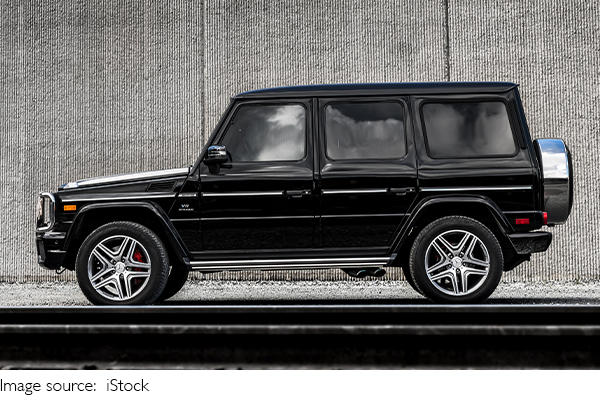
A quick look at today's SUV market shows plenty of sleek, rounded designs, yet some models continue to wear a distinctly boxy shape. Tall roofs, upright windshields, straight body panels, and squared-off rear sections remain popular for a reason.
While the style creates a strong visual identity, the shape also offers practical advantages that are difficult to achieve with a heavily curved body.
More Useful Interior Space
One of the biggest reasons for keeping a boxy design is simple: space is easier to use when the exterior does not narrow dramatically toward the roof or rear. A squared body can provide more headroom and make the cabin feel open.
The rear section can also offer a more useful cargo area because the walls remain relatively upright instead of sloping inward. This can make it easier to load large bags, boxes, sports equipment, or other bulky items. For families and drivers who regularly carry plenty of belongings, that practical space can matter more than having a streamlined silhouette.
Easier Access to the Cabin
The upright proportions of a boxy SUV can also make getting inside more convenient. A taller roofline creates additional room around the doors, while a more upright seating position can make entering and leaving the vehicle feel natural.
This design can be particularly useful in vehicles where passenger comfort and flexible seating are major priorities. The extra vertical space can also help manufacturers create multiple rows without making the cabin feel excessively cramped. Rather than being purely a styling choice, the shape can therefore influence how the vehicle works in everyday situations.
A Stronger Sense of Size
Boxy SUVs also have a visual advantage. Straight lines, large windows, and upright body panels can make a vehicle appear substantial without relying entirely on increased dimensions.
Designers can use squared wheel arches, vertical rear sections, and relatively flat surfaces to create a recognizable appearance. This gives some SUVs a more traditional character compared with models that use smooth curves and heavily sloped bodywork. For buyers, that distinctive look can be part of the appeal. A boxy SUV often communicates practicality simply through its proportions.
Better Visibility From the Driver's Seat
The shape of an SUV can influence what the driver can see. A relatively upright windshield, taller seating position, and large side windows can provide useful outward visibility.
The squared rear section can also make the vehicle's boundaries easier to judge from certain angles. This does not mean every boxy SUV automatically has better visibility, since mirrors, pillars, window design, cameras, and other factors all matter. Still, an upright body gives designers more opportunities to prioritize visibility.
Practicality Can Matter More Than Aerodynamics
There is a trade-off when designing a vehicle with a tall, upright body. A smoother shape can help air move around the vehicle more easily, while a boxier profile can create additional aerodynamic challenges.
That is one reason many modern SUVs combine a squared overall shape with carefully designed details. The roof, windshield, mirrors, underbody, wheels, and rear surfaces can all be shaped to manage airflow while preserving useful interior volume.
In other words, keeping an SUV boxy does not mean ignoring aerodynamics. Engineers can work around the basic shape by refining individual areas without giving up the practicality that buyers expect.
Why the Shape Still Works
Another reason boxy SUVs remain relevant is that their advantages are easy to understand. More usable cabin space, convenient cargo access, upright seating, and a distinctive appearance all connect directly to everyday driving.
A heavily curved SUV may look sporty and modern, but reducing the roof or narrowing the rear can affect how efficiently the available space is used. For a vehicle designed to carry passengers and cargo, that compromise may not always make sense.
The boxy SUV shape has survived because it solves several practical problems at once. Its upright proportions can support a spacious cabin, useful cargo area, comfortable access, and a clear visual identity.
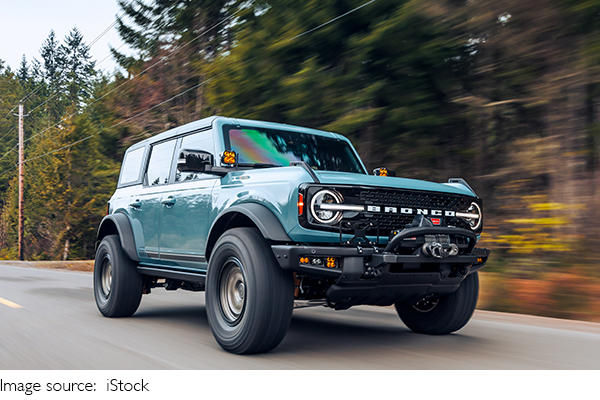
As automotive design continues to evolve, some SUVs will certainly become smoother and more aerodynamic. Others will keep their squared-off appearance because the shape still delivers something drivers value: space and practicality without giving up character. Sometimes, a familiar design remains popular simply because it continues to work.