LED Car: Trends &Innovations

Sophie
| 30-08-2026
 · Automobile team
LED car headlights have come a long way from simply replacing older halogen bulbs. Today, lighting technology is becoming more precise, efficient, and responsive, giving manufacturers new ways to improve nighttime visibility while creating distinctive vehicle designs.
From adaptive beam systems to smart controls, the next generation of LED headlights is expected to make driving at night more comfortable and controlled.
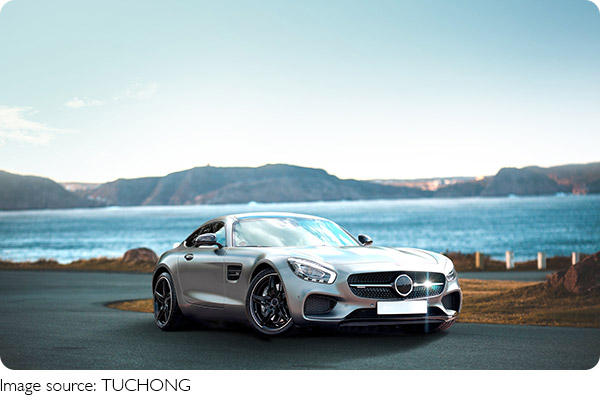
Better Brightness and Visibility
One of the biggest advantages of LED headlights is their ability to produce focused illumination in a relatively compact package. Instead of spreading light broadly, modern optical systems can direct it toward specific areas of the road, helping drivers see lane markings, curves, and roadside details more clearly.
Brightness, however, is not simply about producing more light. Excessive or poorly directed illumination can create glare for other road users. Future systems are therefore focusing on precision and beam control rather than brightness alone.
Color temperature also plays a role in how headlights appear. LED lighting can produce a crisp white light that gives vehicles a distinctive appearance while providing a different visual experience from traditional halogen lighting. Engineers continue to balance color, intensity, and beam distribution to create useful illumination without unnecessary glare.
Efficiency and Long-Term Performance
LEDs are also valued for their energy efficiency. They generally require less electrical power than traditional halogen lighting for comparable lighting applications, which can reduce the load placed on a vehicle's electrical system.
Another important advantage is durability. LED light sources typically have a much longer operating life than conventional bulbs, although the overall lifespan of a complete headlamp can also depend on electronics, heat management, and other components.
LEDs also provide almost immediate illumination when switched on. This quick response makes them well suited to functions such as daytime running lights, brake lighting, turn signals, and other applications where rapid activation matters.
Adaptive Lighting Takes the Lead
Adaptive lighting is one of the most important developments in modern LED technology. Rather than maintaining one fixed beam pattern, these systems can adjust illumination according to driving conditions.
Depending on the vehicle and system, headlights may respond to steering input, vehicle speed, road curvature, or surrounding traffic. Cornering functions can direct more light toward a bend, while automatic high-beam systems can change the beam when another vehicle is detected.
More advanced matrix LED headlights divide the beam into multiple independently controlled sections. When a vehicle is detected ahead, selected sections can be dimmed while other areas remain illuminated. This approach allows drivers to maintain more useful forward lighting while reducing unnecessary glare.
Smart Technology Meets Headlights
The connection between headlights and other vehicle systems is another major trend. Cameras, sensors, navigation data, and electronic control systems can work together to determine how lighting should behave.
For example, a vehicle can use information about its surroundings to adjust the beam pattern automatically. Future systems may become even more closely connected with driver-assistance technology, allowing lighting to respond more intelligently to road layouts and changing traffic conditions.
More Freedom for Vehicle Design
LED technology has also transformed the appearance of modern cars. LEDs are small and can be arranged in different shapes, allowing designers to create distinctive daytime running lights, light signatures, and front-end details.
Digital lighting takes this idea further by allowing individual sections of a headlamp to be controlled electronically. This can support welcome animations, distinctive lighting patterns, and other design features where permitted by local regulations.
The future of LED car headlights is not simply about making lights brighter. The bigger change is greater control. Adaptive beams, efficient LED sources, smart sensors, and digitally controlled lighting are giving manufacturers more ways to improve nighttime visibility while reducing unnecessary glare.

As these technologies continue to develop, headlights are likely to become increasingly intelligent and closely integrated with the rest of the vehicle. For drivers, that could mean lighting that responds more naturally to the road, traffic, and driving conditions while giving future cars a more distinctive appearance.