Protect Your Vintage Roof

Pardeep Singh
| 30-08-2026
 · Automobile team
Hi, and welcome. This guide details the structural characteristics, inspection priorities, maintenance requirements, and driving dynamics of older open-top vehicles to help you manage classic convertible ownership. A vintage convertible is typically classified by its manufacturing era, which generally spans from the early 1950s through the late 1980s.
These vehicles feature distinct roof architectures, primarily categorized into soft-top and removable hardtop designs. A soft-top utilizes a folding metal frame covered in heavy canvas, vinyl, or cloth, which collapses into a designated rear storage compartment. A hardtop consists of a rigid structure made from steel, aluminum, or fiberglass that owners must manually unlatch, lift off the vehicle, and store in a garage.
The body style of these older cars often incorporates heavier gauge steel, prominent chrome bumpers, and elongated proportions compared to modern vehicles. Because the roof does not provide structural rigidity, manufacturers added extra cross-bracing to the undercarriage to prevent the chassis from flexing. Understanding these physical variations helps prospective owners determine their garage space requirements and evaluate the vehicle's weather resistance capabilities.
Pre-Purchase Inspection Priorities
Inspecting a classic convertible requires a focused assessment of structural integrity and mechanical operation. Rust is a primary concern, specifically on the floor pans, rocker panels, and side sills, as water intrusion over decades often damages these low-lying areas. The folding roof mechanism must operate smoothly without catching, binding, or requiring excessive manual force. You must conduct comprehensive electrical system checks to verify that power-operated tops, window regulators, and exterior lighting function correctly. For vehicles equipped with a power-operated soft-top, checking the hydraulic lift cylinders and fluid lines for leaks is a necessary step.
Moisture often accumulates in the trunk well and under the rear seats if the drainage channels are blocked. If you are viewing a car, you can try this right now: pour a small amount of water over the closed roof seams and window joints to identify active leaks before making a purchase decision. Paying a specialized mechanic to place the car on a lift provides a clear view of the structural cross-members and suspension mounting points.
Addressing Common Maintenance Needs
Maintaining an older convertible involves specific preservation tasks that extend beyond routine engine oil changes and tire rotations. Weather sealing requires regular conditioning with silicone-based lubricants to prevent rubber gaskets from drying, cracking, and allowing wind noise or water to enter the cabin. Convertible roof fabric care involves washing the material with specialized non-detergent cleaners and applying UV-protectant sprays to prevent fading and fiber degradation.
Vinyl tops require specific conditioners to prevent the material from becoming brittle and splitting along the fold lines. Chrome maintenance requires polishing with non-abrasive metal cleaners to remove surface oxidation and protect the finish from permanent pitting. Keeping the internal drainage channels clear of debris prevents rainwater from pooling inside the body cavities and accelerating internal corrosion. Owners must also regularly lubricate the pivot points of the folding roof frame with lithium grease to ensure the joints do not seize.
Seasonal Driving and Storage
Driving a classic open-top car requires careful planning around seasonal changes and local weather conditions. Extended UV exposure degrades interior plastics, dries out leather upholstery, and accelerates the fading of exterior paint. Therefore, parking the vehicle in shaded areas or using a custom-fitted car cover is necessary during summer months. Storage in winter requires a dry, climate-controlled environment to protect the metal chassis from road salt, moisture, and freezing temperatures.
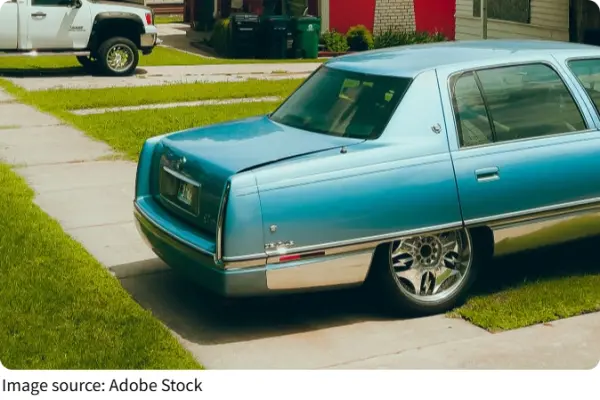
Owners should leave the soft-top in the raised and latched position during long-term storage to prevent the fabric from shrinking and creating permanent creases in the rear plastic window. Disconnecting the battery or attaching a trickle charger prevents electrical drain while the car sits idle. Inflating the tires to their maximum recommended pressure or placing the vehicle on jack stands prevents the tires from developing flat spots over several months of inactivity.
Driving Experience and Sourcing Parts
Operating a vintage convertible differs significantly from driving a modern automobile. Braking distances are considerably longer due to the frequent use of older drum brakes or early, non-assisted disc brake systems. These cars also lack modern safety aids such as anti-lock braking systems, electronic stability control, traction control, and airbags.
Drivers must anticipate stops earlier, apply steady pedal pressure, and maintain larger following distances in traffic. The steering response is often heavier and less precise, requiring more physical effort from the driver at low speeds. Sourcing replacement parts for older models often requires joining owner groups, attending automotive swap meets, or ordering from specialized reproduction suppliers online. Certain trim pieces or structural components may no longer be available in the secondary market, requiring custom fabrication by a qualified machinist or bodywork technician.
Owning a classic convertible requires dedicated maintenance and a clear understanding of its mechanical limitations. Applying these inspection and preservation techniques ensures the vehicle remains functional and structurally sound for future use. You can now use this information to evaluate potential purchases and plan a comprehensive maintenance schedule.