Sleek Sports Car Lines

Camille Dubois
| 28-08-2026
 · Automobile team
Hello, readers. You see a sports car parked on the street and you just know it's fast, even before the engine fires up.
That instant read isn't an accident. It's pure geometry, a set of proportions car designers have been leaning on for decades to make a machine look like it's already moving while it sits perfectly still.
The long hood is the first trick. Think of a classic like the Jaguar E-Type, with that massive stretch of metal ahead of the windshield. Your brain associates that length with a big engine sitting way back, which suggests serious power and a front-mid layout. Even modern cars play this game, like the Toyota GR86, which keeps a relatively long nose to hint at a balanced 50:50 weight distribution. The hood also pushes the cabin rearward, which reads as aggression, like the car is crouching and ready to pounce.
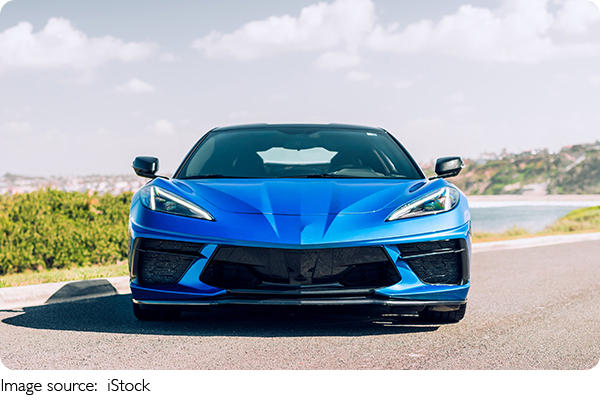
The roof line sets the stance
A low roof is what separates a sports car from a hot hatch. When you drop the roofline, you lower the center of gravity visually, and that instantly makes the car feel planted. The Porsche 911 is the master here, with a roofline so low that the car looks almost sculpted from a single block.
That low silhouette also shrinks the glass area, which gives the car a more muscular shoulder line. You see this in the Chevrolet Corvette, where the beltline rises and the roof stays low, making the body look like it's hugging the ground even when it's parked on level asphalt.
The short tail gives it purpose
Now the rear. A stubby, short tail does two things at once. It suggests the engine and trunk aren't weighing things down, and it makes the rear wheels look like they're pushed right to the edge. The Mazda MX-5 Miata is the perfect example, with its rear overhang trimmed so tight that the car looks like it could rotate around its own back axle.
That visual cue matters because it promises agility, a car that will change direction without dragging its tail behind it. Compare that to a long rear deck like an old luxury sedan, and you feel the difference instantly.
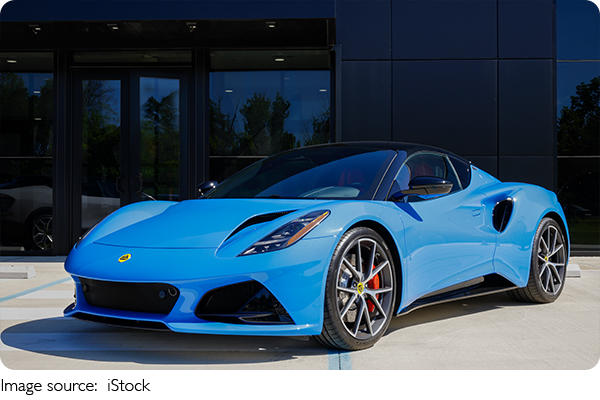
Why the stance tricks your eyes
The magic isn't just in each part, it's in how they work together. A long hood and short tail create a wedge shape, where the front is visually heavy and the rear looks light. That wedge points the eye forward, suggesting forward motion. The low roof amplifies this by making the whole car look like it's already in a slight dive. Ferrari has been perfecting this wedge for years, and you can see it in the 488 GTB, where every line pulls your gaze from the nose to the tail in one smooth sweep. Designers also play with wheel placement, pushing the wheels to the corners, which lengthens the visual wheelbase and makes the car look more stable at speed.
Real cars that get it right
You don't need a six-figure exotic to see these principles at work. The Alpine A110 is a modern take on the recipe, with a short overhang at both ends and a low, tight cabin that makes it look like a scaled-down race car. Even the Ford Mustang uses the long hood and short rear deck to channel its muscle car heritage, giving it that aggressive, ready-to-launch stance.
The key is restraint, though. Push the hood too long or the tail too short, and you get a cartoonish caricature, like some kit cars that look broken instead of fast. The best designs, like the original Audi TT, balance all three elements so nothing overwhelms the other.
So next time you're walking past a parked sports car, stop and measure it with your eyes. Check the hood length, the roofline, the rear overhang. You'll start seeing the same recipe in everything from a Nissan Z to a McLaren, and you'll understand why some cars just look right. That's the whole secret, those three proportions working together to make a machine feel alive before you even turn the key.