Mid-Engine Handling

Anika
| 28-08-2026
 · Automobile team
Hello, everyone. Most sports cars you see on the road have the engine up front, just like a family sedan.
But the ones really built for cornering, the ones that feel like they pivot around your hips, they tuck the motor right behind your shoulders. That's the mid-engine layout, and it's not a styling trick.
It changes everything about how a car behaves, and once you understand why, you'll never look at a Cayman the same way again.
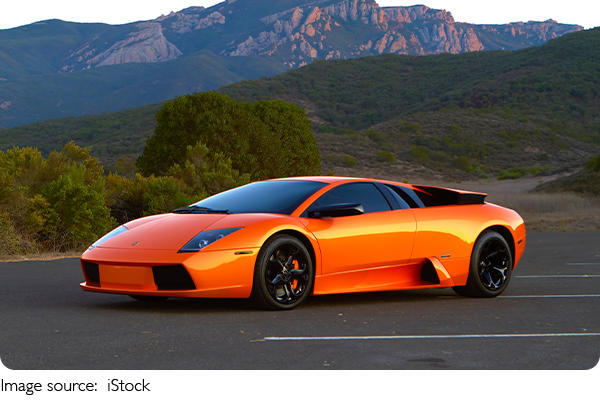
Weight sits where it counts
Put the engine behind the rear axle and you get a pendulum that wants to swing. Put it ahead of the front axle and the nose carries too much mass. Mid-engine puts the heavy stuff between the axles, right near the car's center. That's where inertia works for you, not against you. Take a Lotus Elise, which weighs around 2,000 pounds. Its engine sits so close to the middle that the car rotates almost like a go-kart when you turn the wheel. You feel the rear end follow your inputs instantly, because there's less mass swinging out beyond the wheels.
Grip that doesn't quit
Cornering loads a tire based on how much weight is over it. With the engine in the middle, both the front and rear tires carry a more balanced share of the car's mass during a turn. That means the rear tires can push harder before they let go. The Ferrari 488 GTB is a great example. It can pull over 1.1 g on a skidpad, and a big part of that is the mid-mounted V8 pressing down right over the driven wheels. You brake later, turn in sharper, and get back on the throttle earlier, because the rear simply has more purchase.
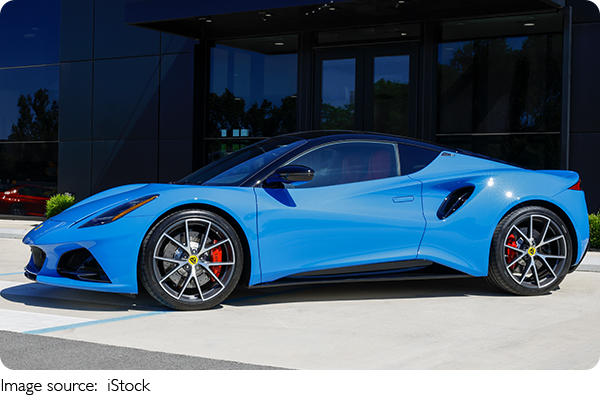
The trade-off you should know
It's not all free lunch. Mid-engine cars have less room for luggage, and the cabin feels tighter because the engine bulge sits right behind the seats. The Toyota MR2, a cult classic from the 80s and 90s, had a tiny frunk up front and just enough space behind the seats for a grocery bag. Also, when a mid-engine car loses grip, it can snap around quickly. That's why modern ones like the Porsche Cayman GT4 come with stability control that you can switch off only if you know what you're doing. You get the agility, but you trade practicality and a bit of forgiveness.
Why you feel it in your spine
The real magic is how the car talks to you. With the engine right behind your ears, you hear every throttle change, every gear shift, every induction note. The Honda NSX from the early 90s was famous for this. The VTEC engine wails directly behind the driver, and you feel the vibrations through the seat before the tachometer even moves. It's not just noise; it's feedback. You know exactly what the rear tires are doing because the mass is so close to your body. That connection is why enthusiasts forgive the tight cabin and the small trunk.
So next time you see a mid-engine car sitting at a stoplight, remember the engine isn't just placed there for looks. It's a deliberate choice that puts the heaviest part of the car exactly where it helps you corner. If you ever get the chance to drive one, even a modest one, take it. You'll feel the difference in the first turn.