Long Ride Ready

Raghu Yadav
| 27-08-2026
 · Automobile team
Lykkers, a long motorcycle journey can be much more enjoyable when we prepare carefully before leaving home. A route may bring changing temperatures, wind, rain, dust, and many hours on the motorcycle.
The right equipment helps us stay comfortable, maintain good control, and deal with common travel problems. Instead of filling every bag with unnecessary items, we can focus on practical gear that suits our journey, weather, and riding conditions.
Start With a Proper Helmet
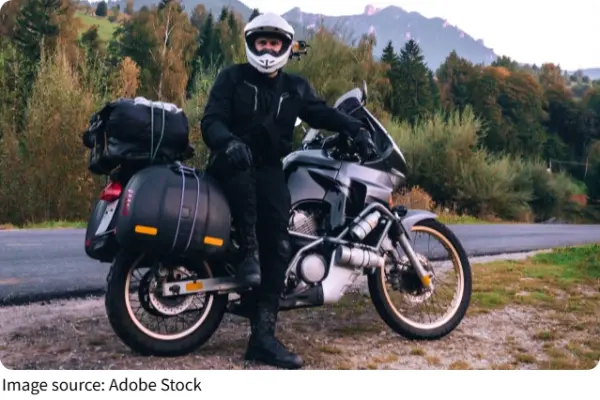
A helmet should be one of the first pieces of equipment we select. For longer journeys, we can consider a full-coverage design that provides protection around the head while helping reduce exposure to wind, dust, and road debris.
Fit is especially important. A helmet should feel secure without creating painful pressure points. We can wear it for several minutes before buying it and check whether the retention strap is easy to adjust. Choosing equipment that meets a recognized safety standard for our region also gives us an important layer of protection.
Choose Protective Riding Gear
A suitable riding jacket and pair of riding trousers can help protect us from weather, wind, and contact with the road. For changing conditions, we can look for materials that balance water resistance, breathability, and durability.
Protective inserts around the shoulders, elbows, hips, and knees can provide additional support. We should check that these inserts remain in a useful position while we move. Clothing should fit comfortably without being too loose, while leaving enough space for a warm inner layer when temperatures become lower.
Give Our Hands Better Support
Our hands operate the motorcycle controls throughout the journey, so comfortable gloves can make a significant difference. We can choose gloves that fit securely while allowing our fingers to move naturally.
For cooler or wet conditions, weather-resistant materials can help keep our hands comfortable. Reinforced areas may also provide extra protection. Before starting the trip, we should test the gloves while operating the controls to make sure they do not restrict movement or reduce our ability to handle the motorcycle smoothly.
Pick Suitable Riding Footwear
Ordinary casual shoes may not provide the support we want during a long journey. Motorcycle-specific footwear with ankle support, durable construction, and a secure sole can be a more practical choice.
If rain is expected, water-resistant footwear can help keep our feet dry. We should also examine the sole before departure. A firm and durable sole can provide better stability when we stop and place our feet on the ground.
Protect Our Eyes
Wind, dust, insects, and changing weather can make riding uncomfortable for our eyes. A suitable visor or protective eyewear can help us maintain a clear view of the surroundings.
We should inspect the viewing surface before leaving and keep it clean during the journey. Dirt or scratches can become more noticeable under bright sunlight or when lights appear from different directions. A soft cleaning cloth takes up little space and can be useful during longer trips.
Pack Useful Road Equipment
After preparing our main riding gear, we can organize a compact travel kit. Navigation equipment can help us follow unfamiliar routes, while secure motorcycle luggage gives us space for clothing and personal items.
A basic first-aid kit can help with minor everyday problems. We can also carry suitable tire-repair equipment, a small selection of basic tools, charging equipment, and a compact light. Keeping these items organized makes them easier to reach when needed.
Prepare for Changing Weather
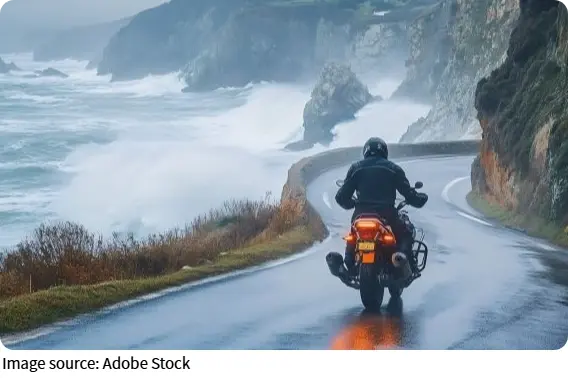
Weather can change during a long journey, particularly when our route passes through different elevations or climates. Instead of relying on one heavy layer, we can carry several lighter layers that are easy to add or remove.
A compact rain layer is useful even when conditions appear favorable before departure. An extra pair of gloves or a lightweight warm layer can also help when temperatures fall. Keeping weather gear near the top of our luggage allows us to respond quickly when conditions change.
Test Everything Before Leaving
Preparing equipment is only part of the process. We should test our helmet, clothing, gloves, footwear, luggage, and navigation setup before beginning the actual journey.
A short practice ride can reveal problems that are difficult to notice at home. We may find that a glove limits movement, a bag shifts position, or a jacket becomes uncomfortable after extended riding. Discovering these issues early gives us time to make useful adjustments.
Final Thoughts
A well-prepared motorcycle journey does not require excessive luggage. A properly fitted helmet, protective clothing, comfortable gloves, supportive footwear, eye protection, useful tools, and weather-ready layers can cover many practical needs.
Lykkers, before our next long ride, we can review the route, expected weather, motorcycle condition, and personal comfort. A little preparation can make the journey more comfortable and help us stay focused on enjoying the experience from start to finish.