Helmet Safety Essentials

Caroll Alvarado
| 27-08-2026
 · Automobile team
Motorcycle riding combines freedom with responsibility, making appropriate protective equipment an essential part of every journey.
A helmet is particularly important because it is designed to help protect the head and reduce the severity of injury during an impact.
Effective helmet performance depends on several elements working together. The shell, energy-absorbing liner, retention system, visor, ventilation, and fit each contribute to the helmet's overall function. Selecting a suitable model and wearing it correctly can support both protection and comfortable everyday riding.
Protecting the Head
A motorcycle helmet is primarily designed to manage forces generated during an impact. The outer shell helps distribute those forces, while the inner liner absorbs energy as part of the helmet's protective structure.
Helmet designs differ in materials, construction, and coverage. Riders should therefore look for a helmet that meets an appropriate recognized safety standard rather than basing a decision solely on appearance or price.
Getting the Right Fit
A secure fit is fundamental to proper helmet use. A helmet that is too loose can shift during riding, while excessive tightness can cause uncomfortable pressure and make extended journeys less pleasant.
The helmet should feel snug without creating painful pressure points. It should remain stable when the rider moves their head, and the retention strap should be fastened securely and adjusted correctly.
When trying on a helmet, riders should assess both comfort and stability. The correct size should remain firmly positioned without excessive movement.
Considering Full-Face Coverage
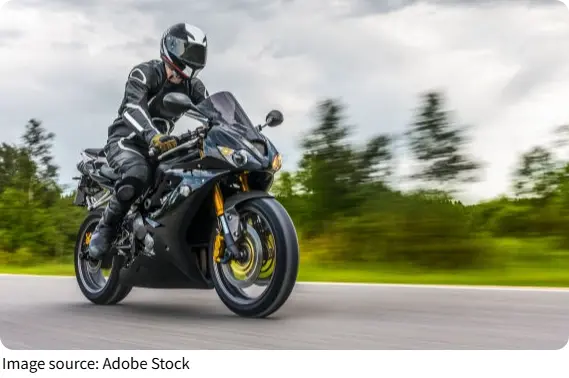
Full-face helmets extend coverage across the top, sides, and rear of the head while also protecting the face and jaw area.
This design provides extensive coverage for riders who prefer protection across a larger portion of the head and face. Its visor also helps shield the eyes and face from wind, rain, dust, and other environmental elements.
Checking Safety Certification
Safety certification provides a useful benchmark when selecting a helmet. Different standards have their own testing procedures and requirements, so riders should check which certification is appropriate for their location and intended use.
A valid certification marking indicates that the helmet has been assessed against the requirements of a defined safety standard. This provides a more reliable basis for selection than marketing claims alone.
Maintaining Visibility and Comfort
Protection is only one consideration when selecting equipment for regular riding. A clean, undamaged visor supports clear forward visibility, while effective ventilation helps manage airflow, heat, and moisture inside the helmet.
Vent openings, internal airflow channels, visor design, and overall construction can influence comfort. These features complement, rather than replace, the helmet's protective requirements.
Inspecting Helmet Condition
Regular inspection helps riders identify deterioration or damage. The shell, liner, padding, visor, retention system, and other components should be checked periodically.
After a significant crash or impact, replacing the helmet is recommended even when visible damage is limited. Internal protective materials can be affected without obvious external signs.
Storage also plays an important role in preserving the helmet. Keeping it away from excessive heat, harsh chemicals, and unnecessary impacts helps protect its materials and components.
Making a Careful Selection
The most expensive helmet is not automatically the most suitable. A good choice should combine appropriate certification, secure fit, suitable coverage, clear visibility, and comfort for the rider's normal conditions.
Before purchasing, riders should check the size, fastening system, visor, ventilation, and overall condition. Taking the time to evaluate these features helps ensure the helmet is suitable for regular use.
Making Helmet Safety Consistent
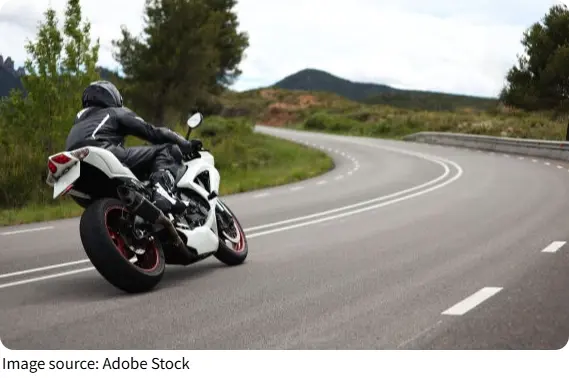
A motorcycle helmet is an essential part of responsible riding equipment. Its protective function depends on the combined performance of its construction, fit, retention system, and coverage.
Choosing an appropriately certified helmet, ensuring a secure fit, keeping it in good condition, and replacing it when necessary can help make head protection a consistent part of every ride.