Master Group Riding Now

Samir
| 27-08-2026
 · Automobile team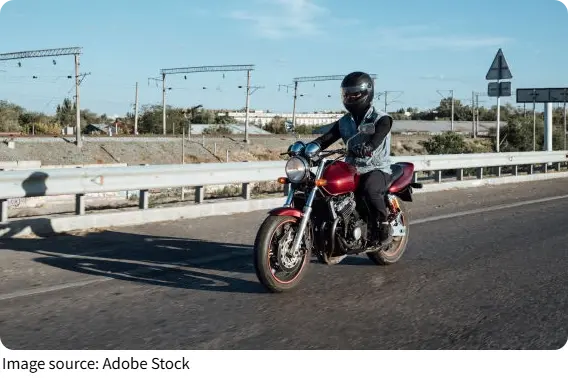
Welcome, everyone. This article details the formation standards, cornering protocols, and communication techniques required for safe and coordinated motorcycle group rides. A thorough pre-ride meeting ensures that all participants understand the route, planned stops, and emergency procedures. The briefing checklist must include a review of standard hand signals, the planned riding speed, and the protocol for separated riders.
It is also the time to assign specific responsibilities within the group based on experience levels. The lead rider manages the pace, navigates the chosen route, and monitors upcoming traffic conditions. The sweep rider, positioned at the very back of the group, monitors the entire formation, carries a first aid kit, and assists anyone who experiences mechanical issues
Standard Formation Spacing Rules
The default arrangement for group riding on straight roads is the staggered formation. The lead rider occupies the left third of the lane to establish a clear view of the road ahead. The second rider positions themselves in the right third of the lane, remaining at least one full second behind the leader. The third rider stays in the left third, maintaining a two-second gap behind the lead rider, which places them one second behind the second rider.
This checkerboard pattern continues throughout the group. The staggered formation provides each rider with an adequate space cushion and an unobstructed path to swerve if a road hazard appears. Avoid riding directly side-by-side in the same lane, as this heavily restricts maneuvering space and reduces reaction time. Keep group sizes manageable; if the group exceeds seven motorcycles, divide the participants into smaller sub-groups.
Navigating Curves and Corners
Road geometry dictates when the group must change its formation. As the group approaches a curve, a winding road section, or an area with limited visibility, the staggered formation is no longer appropriate. Riders must transition into a single-file line before entering the corner. This single-file protocol gives each rider the full width of the lane to choose an optimal cornering line.
Increase the following distance to a minimum of two seconds between motorcycles to account for sudden braking. Do not follow the exact tire track or speed of the person ahead; instead, evaluate the corner and lean angle based on your own motorcycle and current traction conditions. Once the road straightens completely and visibility returns, the lead rider will signal the group to resume the staggered formation.
Essential Hand Signal Communication
Clear communication relies on standard hand signals since vocal instructions and mirrors are ineffective at highway speeds. To indicate a left turn, extend your left arm straight out from your shoulder. For a right turn, extend your left arm outward and bend it upward at a 90-degree angle with a clenched fist.
When you need the group to slow down, extend your left arm downward with the palm facing backward and make a patting motion. To signal the group to speed up, extend your left arm straight out with the palm facing upward, and swing your arm upward. If you spot a hazard ahead, point to it with your left hand if it is on the left side, or point with your right foot for hazards on the right side. To signal a stop, extend your left arm straight down with the palm facing backward, holding it still.
Passing Etiquette and Visual Contact
Maintaining continuous visual contact with the riders immediately in front of and behind you prevents the group from splitting up. Check your rearview mirrors frequently. If the rider behind you slows down or falls back, you must also reduce your speed, which triggers a chain reaction to keep the group intact.
When passing a slower vehicle on a two-lane road, the group must pass one at a time. The lead rider initiates the pass when the oncoming lane is clear. After completing the pass, the lead rider must maintain the higher speed to create a large enough gap for the next rider to merge back in safely. Each subsequent rider executes their pass individually only when they have a clear view and sufficient physical space. Never follow another rider blindly into the passing lane without checking for oncoming traffic.
Coordinating a group ride requires strict adherence to spacing rules, defined rider roles, and visible communication. Applying these formation and cornering protocols ensures that all participants navigate the route predictably and safely. Review these standard procedures with your riding companions before scheduling your next group excursion.