Sports Car Design Evolution

Hiro
| 12-10-2026
 · Automobile team
Sports car design combines visual identity, engineering precision, and driving performance. Over generations, advances in technology have transformed vehicle proportions, body structures, and interior layouts.
Modern designs reflect a careful balance of aerodynamic efficiency, responsive handling, comfort, and distinctive styling.
From Classic Proportions to Modern Styling
Early sports cars were often characterized by long hoods, rounded fenders, flowing bodywork, and compact cabins. These proportions reflected the mechanical configurations and design priorities of their time, establishing silhouettes that continue to influence contemporary automotive styling.
As engineering techniques developed, designers explored lower rooflines, wider stances, and more integrated bodywork. Modern sports cars reinterpret traditional proportions through sharper contours, sculpted surfaces, and packaging solutions suited to evolving performance requirements.
Aerodynamics and Vehicle Performance
Aerodynamics is fundamental to sports car development because airflow influences drag, cooling, and stability at speed. Designers and engineers work together to shape exterior surfaces that support the vehicle's intended performance.
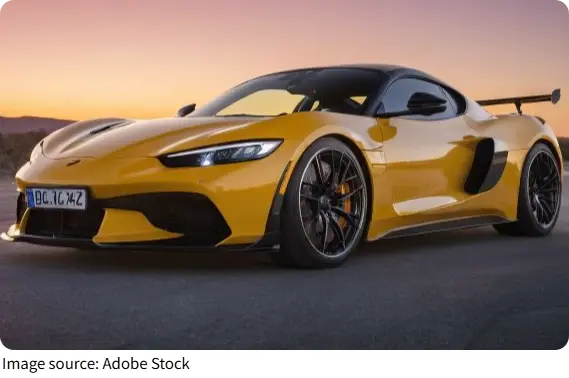
Sculpted front ends, smooth underbody panels, carefully designed diffusers, and integrated aerodynamic elements help manage airflow. Some models also incorporate adjustable wings to modify aerodynamic balance under different driving conditions.
These features demonstrate how exterior styling serves a functional purpose, helping engineers manage air resistance and generate useful downforce where required.
Lightweight Materials and Structural Precision
Material selection influences a sports car's weight, rigidity, durability, and manufacturing requirements. Steel remains valuable for its strength and versatility, while aluminum and carbon-fiber composites can reduce weight in suitable applications.
Reducing vehicle mass can improve acceleration, braking response, and agility when other factors are comparable. Engineers must also consider structural integrity, passenger protection, production methods, and repairability.
Effective construction balances lightweight materials with structural strength and rigidity, supporting performance, safety, and everyday usability.
Lighting and Driver-Focused Interiors
Modern lighting technology gives sports cars distinctive visual identities through precisely shaped headlamps, integrated rear lights, and recognizable lighting signatures. These elements combine styling with functional illumination and visibility.
Interior design follows the same principle of purposeful integration. Digital displays present essential driving information, while intuitive controls allow drivers to manage vehicle functions efficiently. Seating position, steering-wheel placement, visibility, and supportive materials contribute to a cohesive cockpit.
Well-designed interiors integrate technology naturally, allowing drivers to access essential information while maintaining focus on the road and enjoying a comfortable driving environment.
Balancing Performance and Practicality
Contemporary sports car design extends beyond acceleration and cornering ability. Ride comfort, luggage capacity, cabin space, visibility, and ease of entry also influence how a vehicle performs in everyday use.
Suspension geometry, steering characteristics, wheelbase, and powertrain placement work together to determine handling and overall proportions. Thoughtful packaging enables designers to accommodate practical requirements while preserving the responsiveness and character expected of a sports car.
The Future of Sports Car Design
Electrification, advanced simulation, and material innovation are expanding the possibilities of sports car engineering. Electric powertrains offer different packaging options, while battery placement, vehicle mass, and thermal management influence structural design and weight distribution.
Computer-aided modeling and aerodynamic simulation help engineers evaluate body shapes, airflow, and structural behavior before physical prototypes are produced. These methods support precise development, allowing design teams to refine efficiency, safety, and performance together.
Sports car design continues to evolve through advances in aerodynamics, materials, and engineering technology. By integrating distinctive styling with precise handling, structural efficiency, and thoughtful interior design, modern sports cars demonstrate how innovation can enhance both performance and usability. The future of sports car design will depend on how effectively emerging technologies are incorporated while preserving the distinctive appearance and engaging driving experience that define these vehicles.