Racing Games And Driving

Raghu Yadav
| 24-08-2026
 · Automobile team
Hello, and welcome. Plenty of people assume racing games are just quick fun, but they do train a few parts of driving in a real, measurable way.
If you spend time in a serious simulator with a steering wheel, pedals, and force feedback, you can improve how you read corners, judge braking points, and notice when a car is starting to lose grip. That said, playing Gran Turismo or Assetto Corsa in your room is not the same as handling a real race car on a circuit.
A real car brings weight transfer, heat in the tires, limited visibility, track conditions, and the physical load of speed. So the honest answer is yes, racing games can help, but they help specific driving skills, not the whole job.
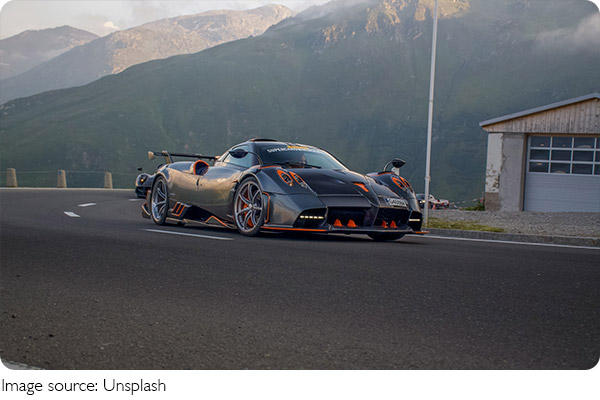
Some skills carry over
If you practice in racing games, you can build track awareness and timing. That matters because real racing depends on hitting the same reference points lap after lap, for example braking at the 100 meter board before a tight corner and turning in at a consistent spot. Games train that repetition well. You also learn the basic rhythm of corner entry, apex, and exit. In a title built around realistic handling, you start to understand why entering too fast ruins your exit speed on the next straight. That kind of lesson does transfer. Professional drivers have used simulators for years for this exact reason. They do not use them as toys, they use them to memorize layouts and rehearse decisions before getting in the car.
The body still matters
What games do not give you is the full physical side of driving. In a real race car, your hands feel vibration through the steering, your seat gives you movement cues, and your whole body reads acceleration and braking forces. If the rear end starts to step out in a wet corner, you are not relying on a screen alone, you are also reacting to motion and pressure through the car. That missing physical input is a big gap. Real driving also asks for pedal feel that changes with heat and tire grip that changes over a session. A game can model some of that, but you are still not managing an actual machine moving around you at speed.
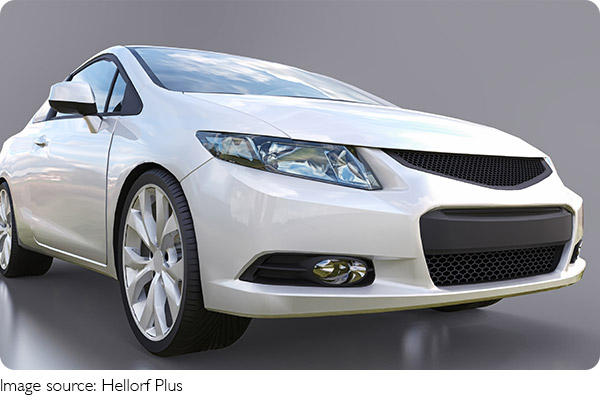
Equipment changes the result
Not all racing games help equally. An arcade racer with simplified handling gives you much less than a simulation setup with a proper wheel and pedals. If you use a hand controller, you can still work on track order, reactions, and basic racing lines, but steering inputs are compressed into tiny thumb movements. A force feedback wheel is closer to real technique because you have to unwind the wheel smoothly, balance throttle application, and correct small slides with your hands instead of a stick. That is why serious sim racers often improve faster when they move into track training than casual players do. The closer your setup is to a car, the more useful the practice becomes.
Road driving is different
People often mix up racing skill and safe everyday driving, but they are not the same thing. Racing teaches precision at speed on a controlled circuit. Real street driving asks for scanning mirrors, reading traffic, watching pedestrians, handling weather, and staying patient in mixed conditions. A racing line that works at a circuit does not belong on a public road. If you are learning for a road license, a game can sharpen attention and coordination, but it will not replace supervised practice in an actual car. You still need to learn parking, low speed control, lane discipline, and how to deal with unexpected behavior from other road users.
So if you love racing games, keep playing them, just be clear about what they can and cannot do for you. They can help you build timing, consistency, and a cleaner sense of how a car changes direction, especially in a realistic simulator with a wheel and pedals. But real driving still depends on physical feedback, real risk, and judgment in changing conditions. So use games as practice for specific skills, not as a shortcut, and you will get the most honest value out of them.