Why Manuals Still Matter

Pankaj Singh
| 24-08-2026
 · Automobile team
Hi there. Fast cars have gotten quicker, easier, and more efficient, but that is not why some longtime fans keep going back to a manual sports car.
They are not chasing convenience. Instead, they want the extra work, the timing, and the feeling that each upshift and downshift depends on what you do with your hands and feet.
In cars such as the Porsche 911 GT3, Mazda MX-5 Miata, and Ford Mustang GT, the manual is not just a way to change gears. It changes how much of the car you actively manage, and that difference still matters to people who grew up treating driving as a skill, not just transport.
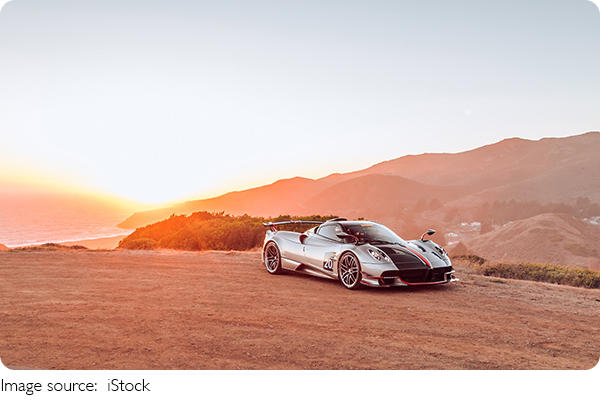
The work is the point
A manual gearbox asks more from you, but that added effort is exactly why many longtime enthusiasts stay attached to it. In a Chevrolet Corvette Grand Sport with a seven-speed manual, for example, you do not just press the accelerator and wait for the car to sort itself out. You choose the gear, match the revs, and decide how cleanly the car settles into the next corner. That active role is a big part of the appeal. In a Honda Civic Type R, the short shifter and automatic rev-matching system show how even newer manual cars still keep you involved while trimming away some of the clumsy parts.
Speed is not everything
On paper, automatic gearboxes often win. A dual-clutch setup in a Ferrari 488 or a quick-shifting automatic in a modern Porsche can change gears faster than most people ever could with three pedals. But longtime fans are not ignoring that fact, they are choosing a different kind of satisfaction. In a Subaru BRZ or Toyota 86, the manual version is often favored not because it posts the quickest number, but because you can feel each gear choice affect the balance and pace of the car. The slower process becomes part of the enjoyment, especially on a back road where your timing matters more than a spec sheet.

Some cars fit it better
Not every performance car feels right with a manual, but certain models seem built around that interaction. The Mazda MX-5 Miata is a clear example because its modest power, light weight, and crisp shifter make every gear change noticeable. The Porsche 911 GT3 is another, especially after demand pushed Porsche to keep offering a six-speed manual alongside faster automatic choices. In both cases, the manual fits the character of the car. You are not just selecting gears, you are shaping how the whole drive feels from one corner to the next.
The loyal crowd stayed loud
Manual sports cars stuck around because buyers kept asking for them, even as the market moved toward automatics. Porsche brought back a manual 911 GT3 after enthusiasts pushed for it. The Jeep Wrangler and Ford Mustang also kept manual options available in part because there was still a real group of buyers who wanted them. That demand is not huge compared with mainstream automatic sales, but it has been strong enough to keep several manufacturers paying attention. For longtime fans, that matters because it means the manual did not survive as a museum piece. It stayed in actual production cars you could still buy and drive.
The feeling is hard to replace
A lot of modern performance technology removes effort, but some drivers do not want every rough edge smoothed out. A manual in a Dodge Challenger, a BMW M2, or a Nissan 370Z asks you to stay engaged in traffic, at stoplights, and on open roads. That is not always easier. It is just more involving. Miss a shift and you know it immediately. Nail a clean downshift before a turn and you feel the reward right away. That direct feedback is hard to duplicate with paddles or a fully automatic setup, even when those systems are objectively quicker.
A manual sports car still matters because it gives you a job to do, and in models such as the Miata, 911 GT3, and Mustang GT, that job changes the whole experience of driving. Older enthusiasts keep thinking about these cars because they remember what it feels like to coordinate the clutch, the shifter, and the engine yourself, and many still want that feeling now. So if you have ever wondered why three pedals still get people talking, the answer is simple, some drivers do not want less to do, they want more of the drive in their own hands.