EV Sports Car Fun?

Amara
| 24-08-2026
 · Automobile team
Hi, and welcome. Fast cars used to win you over with revs, gear changes, and the kind of feedback you felt through your hands and feet, but electric sports cars change the conversation.
They hit hard the second you touch the pedal, and cars such as the Porsche Taycan and Audi e-tron GT make that immediate shove impossible to ignore. The bigger question is not straight-line pace.
It's whether that speed gives you the same kind of involvement you get from a gas sports car such as a Porsche 911 or a Chevrolet Corvette, where the engine note, shifting rhythm, and rising effort are part of the whole point.
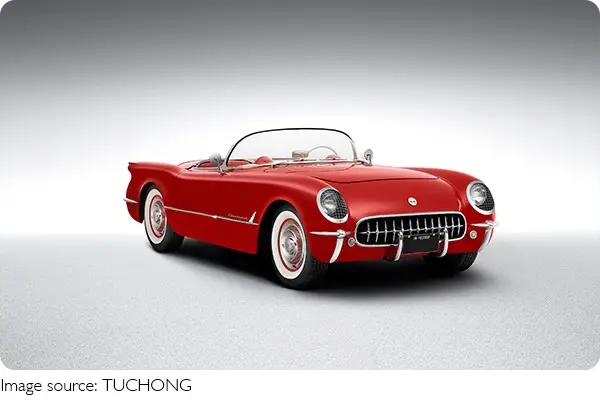
Instant speed changes things
Electric performance cars make a strong first impression because torque arrives right away. The Porsche Taycan Turbo S and Tesla Model S Plaid are the obvious examples, both delivering acceleration that pins you back with no waiting for revs to build. That makes city driving and short bursts of speed feel intense in a very direct way. But the usual sports-car pattern, where power builds as revs climb and you manage that build with gear selection, is reduced or removed. In a 911 Carrera with a manual gearbox, you do not just press and go, you choose a gear, time your shift, and work with the engine's power band. For many drivers, that mechanical involvement is part of the fun, not extra clutter.
Weight still shapes handling
People often expect low-mounted battery packs to solve everything, but mass still matters once the road gets technical. The Taycan hides its weight well for a large electric sedan, yet it still carries far more mass than lighter sports cars built around compact gas engines. You notice that in repeated corners, where direction changes, braking feel, and tire load all become more obvious. A lightweight car such as the Mazda MX-5 Miata stays playful at ordinary speeds because you can sense small changes in grip and balance without needing a huge runway or extreme velocity. That kind of communication is harder to preserve when a battery pack adds hundreds of extra pounds.
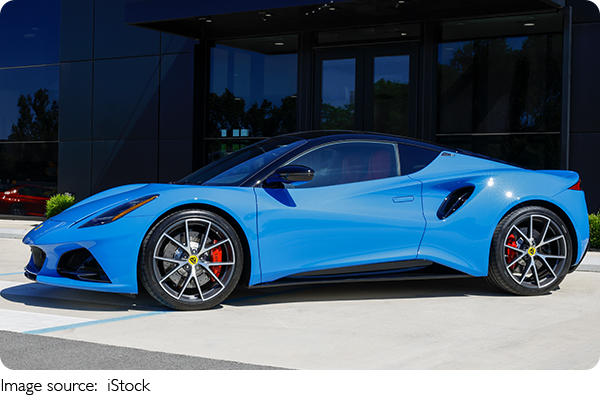
Sound and shifting still matter
Some people treat sound as background noise, but in a sports car it often acts as timing information. In a Honda Civic Type R or a Porsche Cayman GT4, the rise and fall of the engine tells you when to shift, how hard the car is working, and where you are in the rev range without needing to stare at the gauges. Electric cars replace that with a quieter experience, and even when manufacturers add synthetic sound, it is not the same as hearing and feeling a real powertrain respond. The same goes for transmissions. A manual gearbox in a Toyota GR86 gives you one more layer of decision-making on every back road. Most electric cars remove that layer in the name of speed and ease.
Consistency is the real test
A quick launch is easy to demonstrate, but repeated hard driving asks more from the whole package. Track use exposes issues that do not show up in a short test drive, especially heat management, battery drain, and performance consistency. Gas sports cars such as the Chevrolet Corvette Z06 or Porsche 718 Cayman are built to handle lap after lap with relatively quick refueling once you are done. Electric models can deliver strong early laps, but sustained running is a tougher assignment because heavy battery use and heat buildup can cut into performance. If your idea of fun includes a full track session instead of one dramatic sprint, that difference matters.
Electric sports cars are already excellent at one big part of performance, instant acceleration, and cars such as the Taycan prove they can also feel precise and serious on a demanding road. But traditional sports cars still hold key advantages in feedback, lighter weight, shifting involvement, and the kind of consistency you notice over a longer drive. That does not mean electric fun is fake. It means it is a different kind of fun, and right now it does not fully replace what many drivers value in a 911, Miata, GR86, or Corvette. So if you are asking whether electric sports cars can take over the full experience, the honest answer is not yet, and what you enjoy most behind the wheel still decides the result.