Telemetry Improves Driving

Maya
| 16-10-2026
 · Automobile team
Modern vehicles use electronic systems to collect information about their operation.
Speed, acceleration, engine temperature, braking, and vehicle movement measurements help explain how a vehicle responds to driver inputs and changing road conditions.
Telemetry brings these readings together through onboard sensors, digital displays, and data-recording systems. Understanding this information helps drivers monitor vehicle performance, recognize driving patterns, and make informed decisions.
Understanding Vehicle Telemetry
Vehicle telemetry involves collecting and processing data from a vehicle's electronic systems. Depending on the equipment, measurements may come from wheel-speed sensors, engine monitors, GPS receivers, and motion sensors.
Information may appear on a dashboard, a dedicated performance display, or a compatible data logger. Some systems also store measurements for later review, making it possible to compare vehicle behavior across similar journeys.
Key Performance Measurements
- Speed: Indicates how quickly the vehicle is moving and how its speed changes during a journey.
- Acceleration: Measures changes in speed, helping drivers understand how the vehicle responds to throttle input.
- Temperature: Monitors selected components, such as engine coolant and transmission fluid, depending on the available sensors.
- Braking: Records deceleration and, where supported, additional information about braking-system operation.
- Vehicle dynamics: Measures characteristics such as lateral acceleration and changes in direction, providing insight into handling.
Each measurement offers a different perspective on vehicle operation. Together, they help build a more complete understanding of performance.
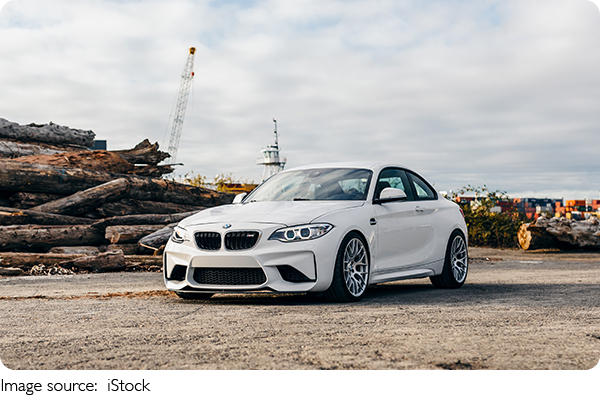
Improving Driving Through Data
Performance records can reveal how driving inputs affect vehicle behavior. Acceleration measurements help illustrate how consistently a vehicle gains speed, while braking data shows how it slows down. Changes in speed and motion can also help explain how the vehicle responds during turns.
Comparing these measurements across similar driving conditions allows drivers to identify patterns and assess their driving technique. For example, smoother acceleration and more consistent braking can indicate controlled inputs.
The purpose is to develop greater awareness and precision, not simply to achieve higher performance figures. Appropriate speeds, smooth control, and a safe following distance remain essential on public roads.
Monitoring Temperature and Vehicle Condition
Temperature monitoring helps drivers understand how selected vehicle systems operate. Engine coolant temperature, for example, provides information about the cooling system's operating conditions. Depending on the vehicle, additional readings may include transmission fluid and intake-air temperatures.
Comparing readings with the manufacturer's recommended ranges can help drivers recognize changes that deserve attention. However, temperature data alone cannot establish the cause of a mechanical issue. Dashboard indicators, maintenance guidance, and professional inspection can help determine the appropriate next step.
Understanding Vehicle Handling
Vehicle handling is influenced by steering response, tire grip, suspension design, weight distribution, and road conditions. Telemetry provides measurable information about how the vehicle moves in response to steering and changes in speed.
Lateral acceleration measures sideways acceleration during a turn. When considered alongside speed and position data, it helps explain cornering behavior and the forces acting on the vehicle.
These measurements are particularly useful when studying vehicle dynamics in controlled testing environments. For everyday drivers, they offer additional insight into steering response and vehicle movement, while direct attention to the road remains the priority.
Getting More From Performance Data
Effective analysis starts with a small set of relevant measurements and a consistent review process.
- Establish a baseline: Learn the typical readings recorded under familiar driving conditions.
- Compare similar journeys: Account for differences in traffic, temperature, road surfaces, and vehicle load.
- Follow operating guidance: Use the manufacturer's recommended ranges and maintenance instructions.
- Review records carefully: Examine detailed data while parked or use a passenger to manage permitted displays when appropriate.
- Focus on useful patterns: Look for meaningful changes rather than reacting to every variation in an individual reading.
Choosing relevant measurements makes the information easier to interpret and helps turn technical data into practical knowledge.

Turning Data Into Better Driving
Vehicle telemetry transforms electronic measurements into insights about acceleration, braking, temperature, and handling. By interpreting these readings in context, drivers can better understand vehicle behavior, recognize performance patterns, and develop more consistent driving techniques.
The greatest value of performance data lies in informed decision-making. Combined with attentive driving and regular maintenance, telemetry supports a clearer understanding of vehicle operation and helps drivers make the most of the technology available in their vehicles.