The Wide Car Illusion

Amit Sharma
| 13-08-2026
 · Automobile team
Modern cars often seem wider, lower, and more sophisticated than many vehicles from a decade ago, even when their actual dimensions have changed only slightly. This effect is created less by size and more by the way designers control visual perception.
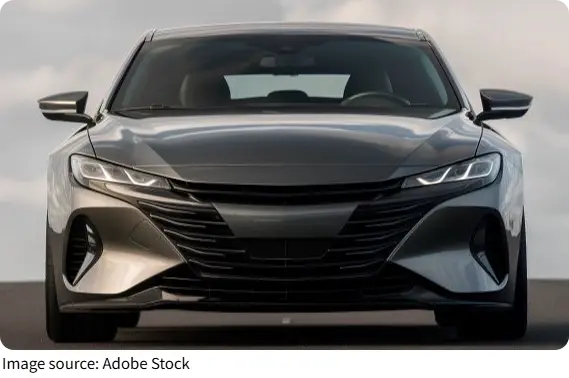
The shape of the headlights, the width of the front fascia, the placement of the wheels, and the movement of light across the body all work together to give a car a stronger and more refined presence.
The blue coupe in the image is a clear example of this modern design philosophy. Clean surfaces, slim lighting, and carefully balanced proportions make the car look contemporary and elegant without relying on aggressive styling.
Horizontal design creates the impression of width
One of the most powerful visual tools is the use of horizontal elements across the front of the vehicle. Grilles, lower air openings, and trim lines are often stretched from side to side, encouraging the eye to read the car as broader and more stable.
Slim headlights reinforce this effect by pushing attention toward the outer corners of the body. Instead of concentrating visual weight in the center, the design emphasizes the full width of the vehicle and creates a planted, confident stance.
LED lighting transformed front-end design
Modern lighting technology has given designers far greater freedom than older bulb-based systems. LED units can be thinner, more precise, and more expressive, allowing the front of the car to appear cleaner and sharper.
This reduction in visual bulk is important. Thinner headlights leave more room for sculpted bodywork and create a cleaner, more modern front-end appearance. At night, the lighting signature also becomes a distinctive part of the car’s identity.
Sculpted surfaces add depth and motion
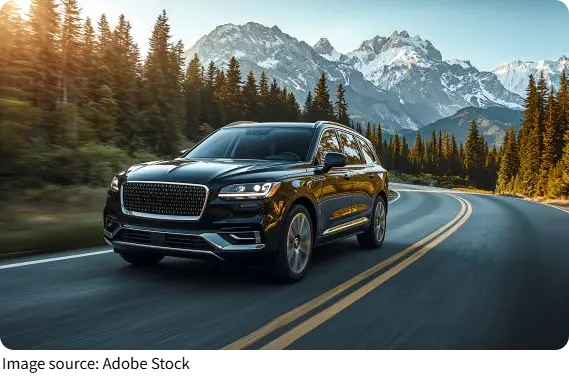
The sides of modern cars are carefully shaped to manage reflections. Subtle creases, curved panels, and controlled transitions between surfaces create depth and guide the eye along the length of the vehicle.
These details make the car appear dynamic even when it is stationary. Rather than looking like a single flat surface, the body gains layers of light and shadow that enhance its sculpted character.
Wheel placement changes the proportions
Wheels have a major influence on how a car is perceived. When they sit closer to the corners of the body, the stance appears wider and more balanced. This reduces the visual overhang and gives the car a more purposeful posture.
Larger wheels that fill the arches well can also make the body seem lower and more premium. The effect is often proportional rather than mechanical; the car looks more athletic even if its suspension and performance remain unchanged.
Color and reflections shape the final impression
Paint is not only a color choice; it is a design tool. Metallic finishes tend to highlight edges, curves, and shoulder lines more clearly than flat colors, helping the body’s form stand out.
In soft evening light, reflections become smoother and more continuous, making the surfaces appear cleaner and more elegant. The glossy blue finish in the image emphasizes the hood, fenders, and side profile, giving the car a richer and more refined appearance.
Simplicity is a sign of confidence
Many modern vehicles achieve a premium look by removing unnecessary ornamentation. Instead of adding numerous decorative details, designers focus on strong proportions, precise lighting, clean surfaces, and carefully controlled reflections.
This restraint creates a sense of quality. The car does not need dramatic wings, oversized vents, or excessive styling to feel modern; proportion and surface control do most of the work.
Why this design trend continues
Drivers increasingly prefer vehicles that feel contemporary, efficient, and well designed. A wider-looking stance suggests stability and security, while clean lighting and smooth bodywork suggest precision and attention to detail.
As a result, design techniques once associated with expensive sports and luxury cars are now common on everyday coupes and sedans. The goal is not to make every car look aggressive, but to make it appear balanced, refined, and visually satisfying from every angle.
The impression that modern cars are wider is largely the result of careful visual engineering rather than dramatic increases in actual size. Horizontal front elements, slim LED headlights, sculpted body lines, well-positioned wheels, and controlled reflections work together to change how the eye reads the vehicle.
These subtle design decisions create a lower, broader, and more sophisticated appearance while preserving clean and elegant proportions. That is why many modern cars feel more refined and visually confident than their dimensions alone would suggest, proving that in automotive design, perception can be just as powerful as measurement.