Big SUV Basics

Caroll Alvarado
| 13-08-2026
 · Automobile team
Hi, Readers! Full-size SUVs are the skyscrapers of the road. They sit tall, carry a crowd, and have the kind of presence that makes a compact car look like it showed up wearing kids' shoes.
If you have ever wondered what really separates a full-size SUV from the rest of the pack, the answer usually comes down to size, structure, capability, and space. These vehicles are built to do big jobs, and they rarely whisper about it.
They are built on a big footprint
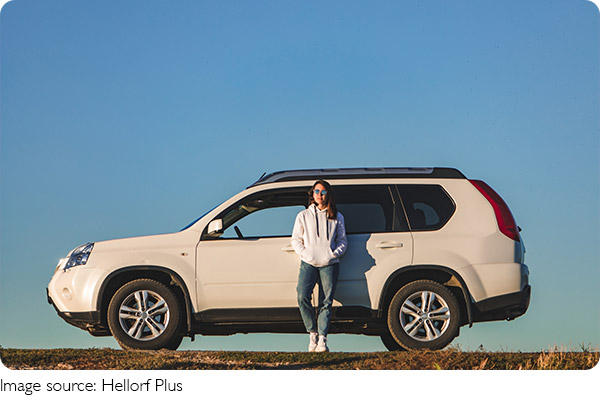
A full-size SUV is generally the largest class of sport utility vehicle. In the market, these models are known for their long bodies, wide stance, and generous cabin room. They typically offer three rows of seating, which means they can carry more passengers than smaller SUVs. Cargo space is also a major part of the appeal. When the rear seats are folded, the storage area can feel less like a trunk and more like a small moving room.
They often come from truck roots
One of the classic traits of a full-size SUV is its construction. Many traditional models use body-on-frame design, which means the vehicle body sits on a separate frame. This setup is common in pickup trucks and helps explain why full-size SUVs are often strong haulers. It also gives them a sturdy, heavy-duty character. Some newer large SUVs use car-like construction, but the full-size category has long been closely tied to truck platforms.
They focus on towing and hauling
If midsize SUVs are the multitool, full-size SUVs are the giant toolbox in the garage. A defining feature is towing ability. These vehicles are often chosen by people who need to pull trailers, boats, or other heavy loads. Their larger engines and stronger frames usually support higher towing capacity than smaller SUV classes. That extra muscle is one of the biggest reasons buyers step up to this segment.
They give passengers more room
Space is where full-size SUVs really stretch out. The third row is usually more usable than in smaller SUVs, and legroom in the first two rows is often generous. This makes them popular with large families, road-trip groups, and anyone who does not enjoy folding themselves into a tight seat like a lawn chair at a crowded picnic. Higher ride height also adds to the sense of openness and visibility on the road.
They usually have powerful engines
Full-size SUVs commonly use larger engines than compact or midsize models. That power helps move the extra weight of the vehicle and supports towing duties. It also suits the character of the category. These are not machines designed mainly for squeezing into tiny parking spaces or sipping fuel with monk-like restraint. They are designed for strength, stability, and carrying capacity.
They balance comfort with utility
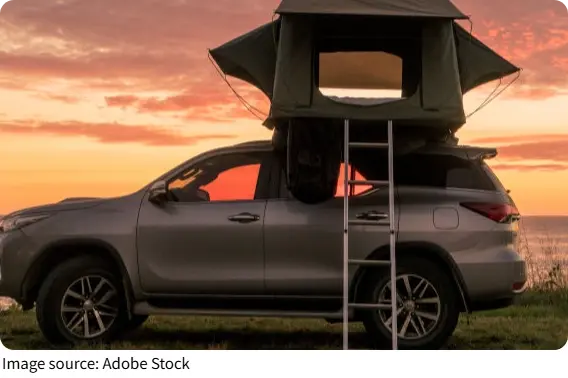
Even though full-size SUVs are known for capability, they are also used as family vehicles. Many offer comfortable interiors, lots of convenience features, and a commanding driving position. In that sense, they try to blend work boots and living-room sofa energy in one package. Depending on the model, they can range from straightforward and practical to very plush and feature-rich.
In short, full-size SUVs are defined by their large size, three-row passenger capacity, roomy cargo areas, strong towing ability, and often truck-based construction. They are made for people who need serious space and capability in one vehicle. If you are choosing one, think about how much room, towing strength, and day-to-day practicality you really need, because with this class, bigger is not just a detail; it is the whole point.