Future E-Sports Cars

Declan Kennedy
| 13-08-2026
 · Automobile team
Hi, Readers! The future of electric sports cars is not just about swapping an engine for a battery. It is about rethinking what makes a sports car exciting in the first place. A strong reference point comes from Porsche's overview of e-performance, which explains how electric drive systems change acceleration, response, packaging, efficiency, and the overall driving character.
When you look closely, the shift is not cosmetic. It reaches deep into the structure and feel of the car. One of the biggest changes is immediate power delivery. In a traditional sports car, power usually builds through revs and gear changes. Electric motors behave differently.
They provide torque right away, which means the car can respond the instant the driver asks for speed. That single trait alters the emotional rhythm of driving. Acceleration feels more direct, more linear, and often more intense at low and medium speeds. For sports cars, this creates a new definition of performance, one centered on responsiveness as much as top-end output.
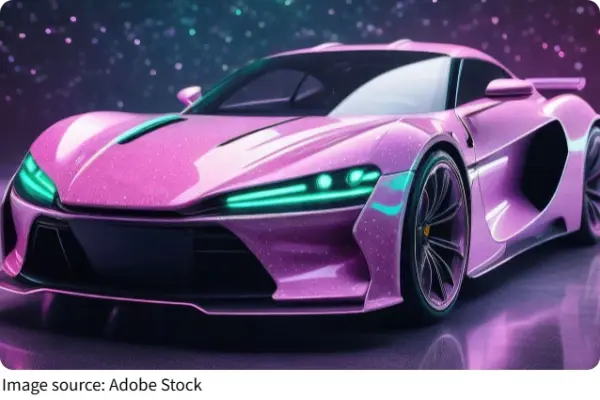
Instant Response
Porsche's e-performance explanation highlights the direct character of electric propulsion. This matters because sports cars have always been judged by how quickly they react. Electric motor systems reduce delay between input and motion. That gives the driver a sharper sense of control when leaving a corner, merging onto a highway, or making quick pace changes. In practical terms, the car feels alert rather than waiting to gather momentum. This is one reason electric sports cars can feel fast even before raw power figures enter the conversation.
New Packaging Freedom
Electric motor technology also changes how a sports car can be built. Without relying on a large conventional engine layout, designers gain more flexibility in placing major components. Battery placement low in the chassis can support a lower center of gravity, which is valuable for cornering stability. Weight distribution can also be managed in new ways. These changes affect not only appearance but also handling balance, cabin space, and aerodynamic possibilities. For sports car makers, this is a major design opportunity rather than a simple technical update.
Efficiency and Daily Use
Another point emphasized in e-performance is efficiency. Traditional high-performance cars often ask drivers to accept trade-offs in daily use. Electric systems change that discussion. Energy recovery, efficient drive components, and refined power management can support strong performance while also improving everyday usability. For many drivers, the future sports car is not a machine reserved only for special routes. It can deliver quick acceleration and precise handling while still fitting regular routines more easily. That broader usability may expand the appeal of sports cars beyond longtime enthusiasts.
Charging and Infrastructure
The future of electric sports cars also depends on charging. Porsche presents fast-charging capability and charging ecosystem development as part of the wider performance picture. This is important because a sports car is shaped not only by what happens on the road, but also by how easily it returns to the road. Convenient charging at home and faster public charging reduce friction in ownership. As charging networks improve, electric sports cars become more practical for touring, commuting, and spontaneous driving plans, not just short controlled trips.
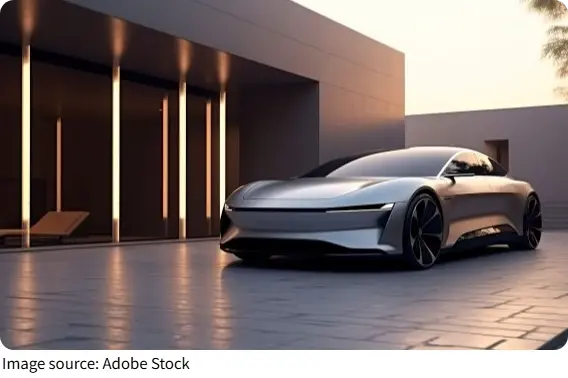
Sound, Feel, and Identity
A deeper question sits underneath all of this: can an electric sports car still feel special? The answer suggested by e-performance is yes, but in a different way. The identity shifts from engine character to precision, immediacy, and intelligent control. The thrill comes from seamless acceleration, stable chassis behavior, and the smooth cooperation between software and hardware. Some traditional cues become less central, while new sensations take their place. Sports car identity therefore does not disappear. It evolves.
In the end, electric motor technology is changing traditional sports cars by redefining performance from the ground up. Faster response, smarter packaging, better efficiency, and improved charging systems are all part of that change. If you are curious about where sports cars are heading, the clearest answer is this: the future will still be exciting, just shaped by different engineering ideas.