Sports Car Cabin Shift

Pardeep Singh
| 13-08-2026
 · Automobile team
Hi, Readers! Step into a modern sports car and the first thing you notice is not just speed, but the cabin itself. The interior has become a carefully shaped space where layout, screens, controls, and materials all work together to support the driving experience.
The cabin is no longer treated as a simple container for controls. It is a place where digital systems and classic driver focus meet, creating an environment that feels intuitive, precise, and highly personal.
One major trend is the renewed emphasis on the driver-centered cockpit. This idea is deeply rooted in sports car design, yet it is being refined through current technology. Displays are arranged so key information sits directly within the driver's field of view, reducing distraction and making interaction more natural. Instead of scattering controls across the dashboard, designers are grouping functions with clear logic. The result is a cabin that feels calmer and easier to read, even as it becomes more technically advanced.
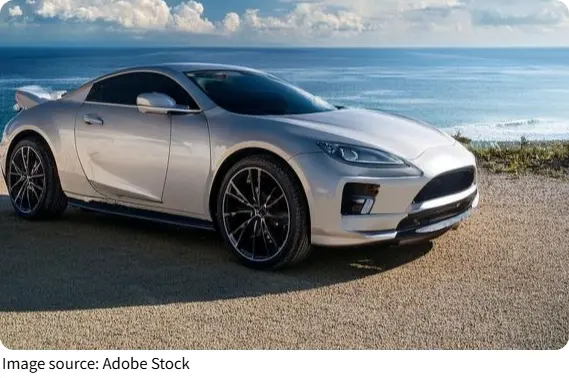
Driver-first layout
The steering area remains central. Essential driving data is placed where it can be understood at a glance, while secondary functions are moved into structured digital layers. This does not mean abandoning physical interaction altogether. In fact, one important design direction is balance. Touch surfaces and digital panels bring flexibility, but drivers still benefit from selected tactile controls for frequently used tasks. That mix helps the cabin feel modern without becoming confusing.
Another aspect of the layout trend is the reduction of visual clutter. Sports car interiors once relied heavily on dense button arrays to express technical character. Now, designers are aiming for cleaner surfaces and stronger hierarchy. The cabin still communicates performance, but through disciplined arrangement rather than sheer complexity. This shift also supports safety and comfort, because the driver spends less time searching for information or adjusting settings.
Digital displays with purpose
Smart technology is now a defining part of interior design, but the most effective cabins use it selectively. The article highlights how digital interfaces are becoming more contextual. Rather than presenting everything at once, systems can prioritize what matters in the moment. Navigation, vehicle status, communication, and media are integrated in ways that respond to actual use. This makes the technology feel supportive instead of intrusive.
Screen design also follows the wider trend toward clarity. Typography, contrast, and menu structure matter just as much as screen size. In a sports car, every visual element must justify its place because attention is limited. A successful interface therefore respects the rhythm of driving. It informs quickly, stays readable, and avoids overwhelming the user with decoration or excessive options.
Personalization and connection
Another clear trend is personalization. Interior systems increasingly adapt to the individual, storing preferences for seating, climate, display views, and infotainment settings. This turns the cabin into a more responsive environment. It also reflects a broader understanding of luxury in sports cars. Rather than relying only on materials or visual drama, the experience now includes how well the vehicle recognizes and supports its driver.
Connectivity plays a related role. Smart features link the car more closely with digital routines beyond the drive itself. Route planning, service information, and personal settings can be accessed more seamlessly, helping the transition between daily life and driving feel smoother. In this sense, the sports car interior is no longer isolated. It is part of a connected ecosystem, yet still shaped around the immediate pleasure of control and movement.
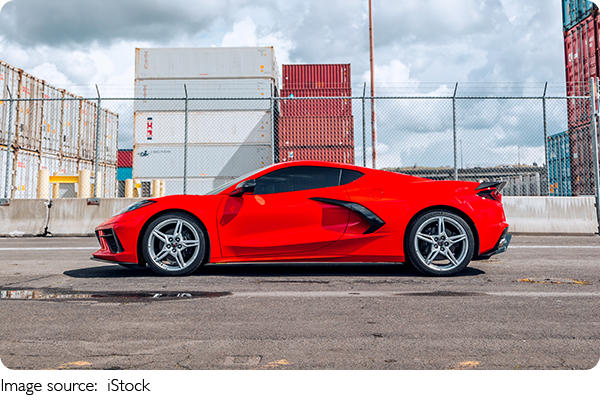
Tradition meeting innovation
What makes this design shift especially interesting is that it does not reject sports car heritage. Instead, it updates familiar principles. The cockpit remains focused, purposeful, and performance-oriented, but it now speaks a cleaner visual language and uses intelligent systems to support that mission. This is an evolution of the driver experience rather than a break from the past. That balance is likely to define future interiors across the segment.
Drivers still want emotional engagement, direct control, and a strong sense of identity inside the cabin. At the same time, they expect intuitive digital tools and seamless usability. Designers therefore have to solve a complex problem: how to make interiors feel both technically advanced and unmistakably human.
In the end, sports car interior design is moving toward simplicity with depth. The cabin is becoming more focused, more adaptive, and more connected, while still protecting the close relationship between driver and machine. If you enjoy following car design, this is a fascinating area to watch, because the next big leap may not come from the exterior shape alone, but from the smart, thoughtful space wrapped around the driver.