Night Driving Safety Tips

Lucas Schneider
| 05-08-2026
 · Automobile team
When daylight fades and road lights begin to appear, the driving environment changes immediately.
Visibility becomes more limited, distances are harder to judge, and road details require greater attention.
Night travel can feel calm and enjoyable, but it demands concentration and preparation. By using thoughtful driving habits and adjusting to changing road conditions, we can make every journey after sunset safer, smoother, and more comfortable.
Drive At A Controlled Speed
Quiet roads can create the impression that it is safe to drive faster. In reality, reduced visibility shortens the time available to notice and respond to hazards.
Maintain a controlled speed, especially on curves, bridges, slopes, narrow roads, and poorly lit sections. Slowing down in these areas improves vehicle stability and gives you more time to make safe decisions.
Leave A Larger Safety Gap
Headlights, reflections, and darkness can make distance judgment less accurate at night. Following too closely reduces the time available to react if traffic changes suddenly.
Keeping a larger gap between vehicles allows for smoother braking and creates a more relaxed driving experience.
Stay Rested And Attentive
Fatigue can reduce awareness and slow reactions during long night trips. Begin the journey well rested and avoid driving when excessively tired.
For longer drives, take short breaks, stretch, walk briefly, and drink water. These simple actions help maintain concentration throughout the trip.
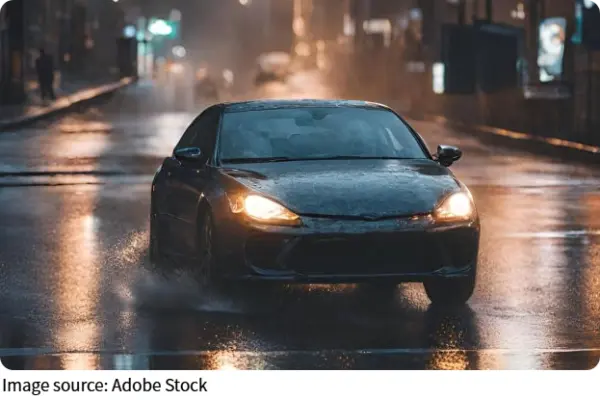
Use Headlights Correctly
Headlights are essential for both visibility and communication. Use high beams only when the road ahead is dark and no other vehicles are affected. Switch to low beams when approaching or following another vehicle.
Use turn signals clearly and consistently so that other drivers can easily understand your intentions.
Overtake With Care
Passing another vehicle at night requires patience and clear visibility. Avoid overtaking on curves, hills, or any road where you cannot see far ahead.
Signal early, confirm that the road is clear, and complete the maneuver smoothly without sudden acceleration or steering.
Watch The Roadside
Pedestrians, cyclists, and other road users may be less visible after dark. Scan both the road ahead and the roadside regularly.
If oncoming headlights reduce visibility, keep your speed steady, stay in your lane, and look slightly toward the left edge of the road until your vision becomes clear again.
Read The Road Surface
Darkness can hide important changes in the road. Wet surfaces often reflect more light, while uneven or damaged areas may appear darker than the surrounding pavement.
Paying attention to these visual cues can help you adjust speed and steering more confidently.
Carry Essential Emergency Items
A flashlight, warning triangle, reflective vest, and basic vehicle tools are useful for any night journey. If a problem occurs, these items can improve visibility and help you manage the situation more safely.
Being prepared reduces stress and allows for a calmer response.
Choose Familiar Routes
When possible, use roads you already know. Familiar routes make it easier to anticipate turns, intersections, and changes in road layout.
Clear road markings, good lighting, and organized traffic flow can further improve comfort and confidence during night travel.

Make Every Night Journey Safer
Safe night driving is not about driving faster or relying on experience alone. It is about maintaining control, staying alert, and preparing for changing conditions.
By managing speed, keeping a safe distance, using lights properly, and remaining attentive to the road environment, we can make every trip after sunset safer, smoother, and more enjoyable.