Mountain Road Driving Tips

Pardeep Singh
| 05-08-2026
 · Automobile team
Hi, Friends! There is something beautifully humbling about driving through mountain roads, with winding paths, towering cliffs, and breathtaking views all around you.
However, let's be real, it can also feel pretty intimidating, especially if you are not used to it.
Whether you are heading into the hills for a road trip or commuting through elevated terrain, knowing how to handle these roads can make all the difference between a smooth ride and a stressful one.
Slow Down and Stay Alert
Mountain roads are not like city streets or highways. The curves are sharper, the lanes are narrower, and visibility can drop suddenly around a bend. The most important thing you can do is reduce your speed before entering a curve, not during it.
Braking mid-turn can cause your vehicle to lose grip and slide. Always approach every corner with caution, and keep your eyes scanning ahead as far as possible.
Use Your Horn on Blind Curves
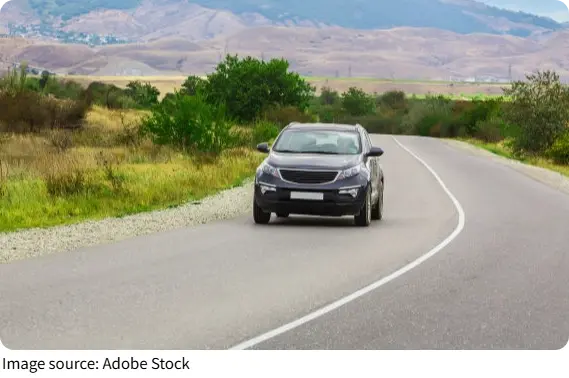
This one surprises a lot of drivers, but it is genuinely important. On narrow mountain roads, two vehicles coming from opposite directions may not see each other until the very last second. A short, friendly honk before a blind curve lets other drivers know you are coming. It is a simple habit that can prevent some really scary close calls.
Understand Your Brakes
Long downhill stretches are one of the trickiest parts of mountain driving. If you ride your brakes continuously, they can overheat and lose effectiveness, which is known as brake fade. Instead, shift to a lower gear to use engine braking, and apply your brakes in short, controlled intervals. This keeps your brakes cooler and gives you much better control going downhill.
Uphill Has the Right of Way
This is a traffic rule that many drivers forget or simply do not know. When two vehicles meet on a narrow mountain road, the one going downhill should reverse or pull aside to let the uphill vehicle pass first. Why?
Because it is much harder for an uphill vehicle to restart on a steep slope, and the risk of rolling back is real. Being courteous here is not just polite; it is genuinely the safer choice.
Keep a Safe Following Distance
On mountain roads, you need more space between you and the vehicle ahead than you would on flat ground. Sudden stops happen more frequently here due to obstacles, animals crossing, or other vehicles.
Give yourself plenty of room to react. A good rule of thumb is to keep at least double the distance you would normally maintain on a regular road.
Watch Out for Falling Rocks and Road Hazards
Mountain roads can have loose gravel, fallen branches, puddles from streams crossing the road, and yes, even rockfalls in some areas. Always watch for warning signs and never assume the road ahead is clear just because it looks fine from a distance. Drive at a pace that gives you enough time to react to whatever might appear around the next bend.
Check Your Vehicle Before You Go
Before heading into the mountains, it is worth doing a quick check on your vehicle. Make sure your tires are in good condition and properly inflated, your brakes are responsive, and your fuel tank is full. Mountain areas can have long stretches without gas stations or repair shops, and the last thing you want is to be stranded on a steep hillside road.
Stay Calm and Patient
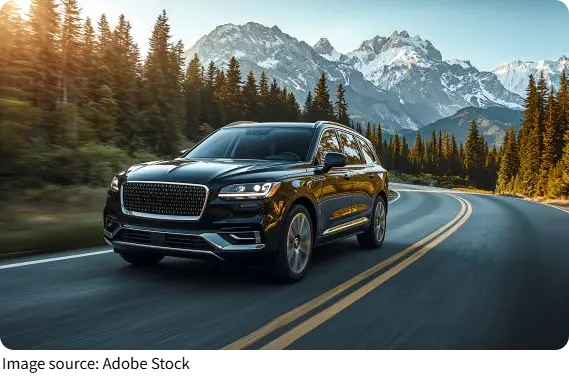
Mountain driving asks for a calm, patient mindset. It is not a place to rush or show off. If you feel tense or tired, pull over at a safe spot and take a break. Fatigue and anxiety affect your reaction time more than people realize, and on these roads, every second counts.
Driving through mountain roads can honestly be one of the most rewarding experiences, as long as you approach it with care and respect. Keep these tips in mind, take your time, and enjoy the scenery. Safe travels, and remember, there is no rush when the journey itself is this beautiful!