Why Sports Cars Sit Low

Camille Dubois
| 03-08-2026
 · Automobile team
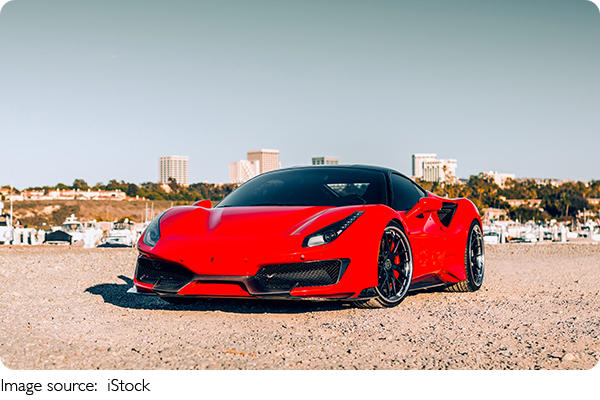
When we see a sports car with sharp lines, a wide stance, and a body that sits close to the road, we are often drawn to its powerful appearance.
Yet the low shape is far more than a styling choice. It is the result of careful engineering that combines aerodynamics, balance, performance, and visual design.
Every curve, surface, and proportion is designed with a purpose. The height of the vehicle, the position of its major components, and the way air flows around the body all influence how the car behaves at speed. Understanding these ideas reveals why low sports cars continue to represent the perfect blend of science and automotive artistry.
Airflow Creates Better Performance
One of the main reasons sports cars are designed with low bodies is to improve aerodynamic efficiency. As a vehicle moves forward, air flows over, around, and beneath it. If the body creates excessive resistance, the engine must work harder to maintain speed.
By reducing the overall height of the car, designers allow air to move more smoothly across the surface. A lower roofline and a body positioned closer to the ground reduce the amount of air that strikes the vehicle directly. This helps decrease drag and improves efficiency at higher speeds.
Modern sports cars also use carefully shaped front sections, side surfaces, and rear designs to guide airflow in a controlled manner. Together, these elements improve stability, reduce turbulence, and contribute to stronger overall performance.
A Lower Center Improves Control
Vehicle balance is another major reason for the low design. Engineers place heavy components, such as the engine and other mechanical systems, as low as possible inside the chassis. This lowers the vehicle’s center of gravity and creates a more stable driving platform.
When a car enters a corner, weight naturally shifts from one side to the other. A higher vehicle experiences more body movement, while a lower sports car remains flatter and more composed. The result is sharper handling, quicker responses, and a stronger connection between the driver and the road.
This is why many performance cars feel precise and controlled during rapid changes of direction. The low structure is not only about appearance; it is a fundamental part of the driving experience.
Design Creates A Sense Of Speed
Beyond engineering, the low shape creates a powerful emotional effect. A wide body, short roof, and flowing lines naturally suggest motion, even when the car is standing still. Designers use these proportions to communicate speed, energy, and performance.
The shape of many sports cars is inspired by ideas developed in racing, where every surface is designed with efficiency in mind. The close-to-the-ground stance and stretched silhouette create a dramatic visual presence that has become one of the most recognizable features of performance vehicles.
For many enthusiasts, a sports car is appreciated not only for how it drives but also for how successfully it expresses motion and excitement through its design.
Performance Comes With Trade-Offs
The low body does involve compromises. Because the seats are positioned closer to the ground, entering and exiting the vehicle may require more effort than in a regular passenger car. Interior space is often more limited, as designers prioritize performance, weight reduction, and driver focus.
Many sports cars are configured for two passengers to help maintain balance and reduce unnecessary mass. Cargo space may also be smaller because the body shape is optimized for aerodynamics and handling rather than maximum practicality.
These trade-offs highlight an important principle of automotive engineering: improving one area often requires accepting limitations in another.
Technology Continues To Shape The Future
Sports car design continues to evolve as new technology becomes available. Engineers are developing lighter materials, stronger structures, and more advanced aerodynamic solutions to improve both performance and efficiency.
Future sports cars are likely to combine intelligent systems with highly refined body designs that manage airflow more effectively than ever before. Lighter construction can enhance acceleration and handling, while improved engineering methods may deliver greater comfort without sacrificing performance.
Although the details will continue to change, the characteristic low stance is expected to remain a defining feature of the sports car.

The Art Behind The Low Shape
The next time a low sports car passes by, it is worth looking beyond its dramatic appearance. Its height is not simply a matter of style. It reflects careful decisions about airflow, balance, stability, performance, and visual impact.
The low body tells a story of engineers and designers working toward a common goal: creating a machine that feels exciting, responsive, and emotionally engaging. While this approach may reduce cabin space and practicality, it gives sports cars their unmistakable personality.
What makes a sports car truly attractive is not only its powerful shape, its precise handling, or its advanced technology, but the way all of these elements come together in a single, carefully crafted design.