The Two-Seat Sports Car

Caleb Ryan
| 03-08-2026
 · Automobile team
Have we ever admired a sports car and wondered why it usually has only two seats? The answer goes far beyond appearance.
In performance car design, every component is carefully considered to improve balance, responsiveness, and driver enjoyment. The two-seat layout is not simply a styling choice; it is a deliberate engineering decision that helps create a lighter, more agile, and more engaging machine.
Designed Around Performance
Sports cars are not built to carry the maximum number of passengers. Their primary purpose is to deliver precise and rewarding performance. Engineers work continuously to reduce unnecessary weight because a lighter vehicle can accelerate more quickly, brake more effectively, and change direction with greater confidence.
A larger rear seating area usually requires a longer body, additional structural reinforcement, and more interior components. These additions increase weight and can reduce the sharp, agile character that defines a true sports car. By keeping the cabin compact, designers can focus on creating a vehicle that feels quick, responsive, and closely connected to the road.
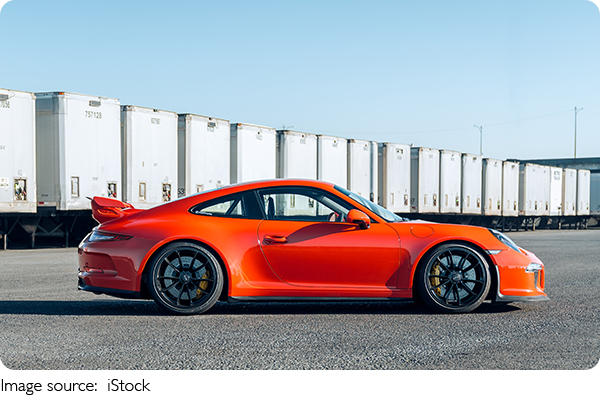
Better Balance Through Mid-Engine Design
Many high-performance sports cars use a mid-engine layout, placing the engine near the center of the vehicle. Because the engine is one of the heaviest components, its position has a major influence on handling.
Concentrating weight closer to the middle helps the car feel more balanced during cornering. Steering responses become more natural, and the vehicle can change direction with greater precision. A two-seat cabin provides the space needed for this layout, allowing engineers to prioritize performance without compromising the car’s proportions.
A More Engaging Driving Experience
One of the greatest strengths of a sports car is the way it makes the driver feel. With only two seats, the interior can be designed around the driver and one passenger rather than around practicality for a larger group.
The seating position is often lower, the controls are placed within easy reach, and the cabin feels closely connected to the car’s movement. These details create a stronger sense of involvement, making acceleration, cornering, and braking feel more immediate and rewarding. For many enthusiasts, this focused experience is the true appeal of a sports car.
Compact Shape, Greater Agility
The two-seat layout also allows for a more compact body. A shorter and lighter vehicle is often easier to handle, especially on winding roads where agility matters more than size.
Engineers combine compact dimensions with carefully tuned suspension and a low center of gravity to create a car that feels both stable and agile. Even the roof and body structure are designed with this philosophy in mind, improving rigidity and helping the chassis respond more accurately to driver inputs.
Influenced By Motorsport
The philosophy behind many sports cars is deeply connected to motorsport. Racing vehicles are designed around speed, balance, and control, and these same principles continue to influence road-going sports cars.
Although modern sports cars offer comfort and everyday usability, they still aim to deliver the feeling of a machine engineered primarily for performance. The two-seat layout reflects that heritage by keeping the focus on driving rather than passenger capacity.
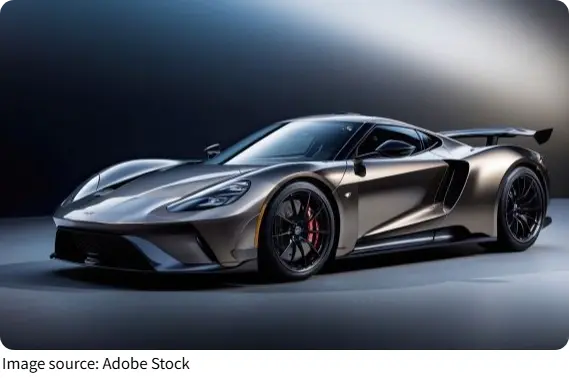
Why Two Seats Matter Most
When people think about sports cars, they often focus on horsepower and top speed. Yet true performance is not defined only by straight-line speed. It is also measured by how confidently a car corners, how accurately it responds to steering inputs, and how connected the driver feels behind the wheel.
That is why the two-seat design remains so important. It allows engineers to create a lighter, better-balanced, and more driver-focused vehicle. The next time we see a sports car, we can look beyond its beautiful shape and powerful engine. Those two seats represent a carefully chosen engineering solution—one that helps transform a car from simple transportation into a machine built for precision, balance, and pure driving enjoyment.