Motocross Air Control

Raghu Yadav
| 03-08-2026
 · Automobile team
The moment a motocross motorcycle leaves the ground, every movement becomes a test of timing, control, and confidence. A smooth jump is created long before the wheels leave the track.
It depends on how we prepare our speed, adjust our body position, work with the suspension, and handle the landing. By understanding each step, we can make every jump feel more stable and enjoyable.
Motocross jumping looks exciting, but every successful jump begins with careful preparation. Instead of only focusing on how high we can go, we should pay attention to how well we control each stage. A balanced approach helps us connect better with the motorcycle and makes every jump feel more natural.
Prepare For Takeoff
A smooth jump starts before the motorcycle leaves the ground. Many beginners wait until they reach the top of the jump before adding speed, which can make the takeoff feel sudden. We should keep a suitable speed while approaching the jump and prepare our body position before reaching the highest point.
Suspension timing plays an important role during takeoff. When the suspension begins to compress, we can move together with the motorcycle instead of resisting its motion. As the suspension returns upward, we can press our weight through our feet and use that movement to help lift the motorcycle.
Before leaving the ground, we should keep our legs slightly bent and maintain a relaxed standing position. At the correct launch point, we can smoothly add power while guiding the handlebar forward. The goal is to combine speed, body movement, and suspension response into one controlled action.
Stay Calm In The Air
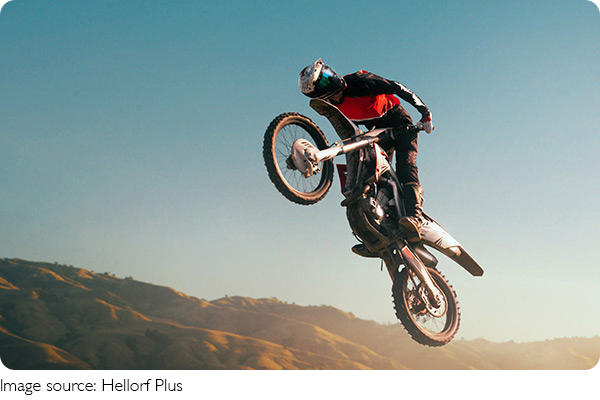
Once we are airborne, body control becomes the key to keeping the motorcycle balanced. Many new riders become tense during jumps, but a stiff body makes adjustments more difficult. We should keep the upper body relaxed while using our legs to stay connected with the motorcycle.
Our knees should gently hold the motorcycle without creating too much pressure. The arms should remain slightly bent so we can respond to changes during the flight. A relaxed position gives us more freedom to adjust our balance.
We can imagine our hands are holding a small bird. We do not squeeze too tightly, but we also keep enough control so it does not move away. This simple idea helps us find the right amount of pressure on the handlebar.
Our eyes should always look toward the landing area. Looking ahead helps us prepare for the next movement. Keeping the body slightly forward can help maintain a balanced position and reduce unwanted movement in the air.
During the jump, smooth power control is also helpful. Suddenly reducing power without a clear reason may affect stability when we touch the ground. Keeping steady control allows the motorcycle to respond more naturally.
Create Smooth Landings
Landing is one of the most important parts of motocross jumping. A good landing reduces unnecessary impact and helps us continue riding smoothly.
When we land on a downhill surface, allowing the rear wheel to touch first or letting both wheels meet the ground together can create a comfortable transition. Keeping suitable power helps the motorcycle continue moving forward.
For a flat landing area, a rear-wheel-first approach can provide better control. While in the air, we can keep our body slightly forward. When touching down, adding power and adjusting our body position can help the rear wheel connect first, followed by a gentle front-wheel landing.
If the landing leads into a turn, we need to prepare for the next direction change. Keeping our weight centered, supporting the motorcycle with our legs, and getting ready for the turn after landing can make the movement smoother.
Improve Through Practice
Many jumping mistakes come from small body position problems. Some riders place their knees too far forward, while others keep their weight too far back. These habits can make the motorcycle feel harder to guide.
Another common issue is increasing speed too late. Preparing early gives us more control over the takeoff and allows the motorcycle to respond better. Instead of focusing only on bigger jumps, we can improve by practicing timing, position, and landing techniques step by step.

Enjoy Every Ride
Lykkers, motocross jumping is a skill that grows through practice and patience. When we learn how to prepare before takeoff, stay balanced in the air, and manage each landing, we can enjoy a more rewarding riding experience.
Every jump gives us a chance to understand our motorcycle better and improve our own skills. The connection between rider, machine, and track creates the real excitement of motocross. Which part would you like to practice first: takeoff, air control, or landing? Let us continue exploring the joy of riding together.
How To Properly Jump a Dirt Bike - 3 Basic Techniques
Video by The Mx Factory