Smart Budget Car Buy

Ethan Sullivan
| 30-07-2026
 · Automobile team
Hi, Readers! Shopping for a reliable car on a limited budget can feel like trying to find a clean spoon in a crowded office kitchen.
It is possible, but you need a plan, a cool head, and a sharp eye for the little details that really matter.
The smartest budget buy is usually a dependable used car with a strong reliability record, solid safety features, and reasonable running costs.
If your total budget is around $20,000 or less, the big win is not just the purchase price. It is the full cost of living with the car, from insurance and fuel to tires, repairs, and routine service.
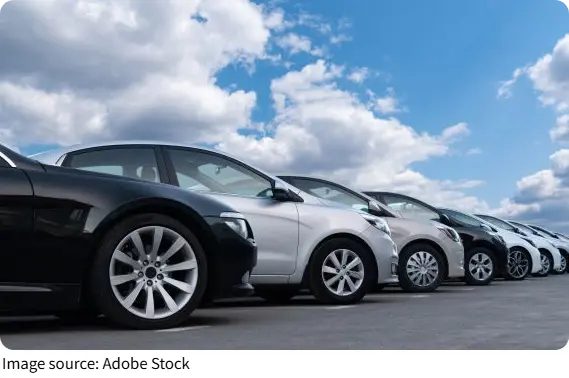
Start with reliability
A low sticker price can be charming in the same way a suspiciously cheap sofa online looks charming. Then it shows up with surprises. The article emphasizes choosing models with a history of strong reliability. Shoppers should look toward used cars known for dependability, including practical sedans and compact models from mainstream brands with good track records.
Reliability matters because an affordable car stops being affordable the second it starts asking for repair money every other month. Looking at long-term owner reports, repair history, and common trouble spots helps you avoid turning your driveway into a money drain.
Think beyond the sale price
The purchase number is only the opening act. Ownership costs keep the show running. Fuel economy, insurance premiums, tire replacement, routine maintenance, and repair risk all deserve your attention. A car that costs a bit more upfront may still be the better deal if it uses less fuel and needs fewer repairs.
This is the article’s central lesson: shop for value, not just price. It is the difference between buying shoes that last three years and buying cheap ones that surrender after one rainy week.
What to check before buying
Before you commit, get a pre-purchase inspection from an independent mechanic. That step is like bringing a sensible friend when you are tempted by a flashy deal. The inspection can uncover hidden issues with the engine, transmission, suspension, brakes, and electronics. You should also review the vehicle history report and confirm that the title is clean.
Take a long test drive, not a quick spin around the block. Listen for odd noises, check how smoothly it accelerates and brakes, and make sure every basic feature works properly, from lights to climate controls.
Best types of cars to target
Reliable used cars over complicated models loaded with expensive extras. Compact sedans, small hatchbacks, and practical midsized cars often hit the sweet spot for budget-minded shoppers. These vehicles usually balance fuel economy, comfort, and lower upkeep better than larger or more complicated options. If you are shopping used, avoiding rare trims and costly luxury features can help keep future service bills more manageable.
How to keep costs low after purchase
Once the car is yours, good habits matter. Follow the maintenance schedule, check tire pressure regularly, and take care of small issues before they become wallet-sized disasters. Routine service like oil changes, brake inspections, fluid checks, and tire rotations helps prevent bigger repair problems later.
Driving gently also helps reduce wear. Think of it like caring for a decent pair of sneakers. If you treat them kindly, they stick with you much longer.
Budgeting for the full picture
Set aside money not just for the car, but also for registration, insurance, taxes, and an emergency repair cushion. If your whole budget is capped, do not spend every last dollar on the purchase itself. Leave room for the first round of maintenance and any surprise fixes.
That buffer can be the difference between smooth ownership and instant regret. It is also wise to compare several models and trim levels rather than chasing the first deal that looks shiny.
A smart budget car purchase is really about staying practical, patient, and a little skeptical in the best possible way. Focus on reliability, inspect carefully, and count the full ownership costs before signing anything. That way, you are not just buying a car. You are buying fewer headaches, steadier expenses, and a much better chance of enjoying the ride.