Snowy Alps Near Salzburg

Sofia Alvarez
| 08-07-2026
 · Travel team
Lykkers, a dreamy winter landscape near Salzburg does not require an expensive multi-day ski holiday. The key is choosing a mountain village that works for non-skiers as well as skiers.
For a first winter scenery trip, Werfenweng is one of the strongest choices: it is close enough to Salzburg for a day trip, has marked winter activities, and offers cable-car access to high mountain scenery.
For most Lykkers, the best plan is either a 9 to 10-hour day trip from Salzburg or a 1-night stay in Werfenweng. Choose the day trip if you mainly want snow walks, mountain views, and photographs. Choose 1 night if you want two chances for clear weather, an unhurried winter afternoon, and less pressure from transport schedules.
Official local tourism information confirms winter hiking, tobogganing, cross-country skiing, and cable-car access among the main winter activities.
Werfenweng
Reach the Snow Efficiently
The most important decision is transport. Winter days are short, so losing 3 hours to poor connections can turn a good mountain day into a rushed one. You should choose between public transport and driving before booking any mountain activity.
Day Trip or One Night
A day trip works with stable weather—leave Salzburg by 7:30–8:00 a.m. and allow at least 6 hours at the destination before returning. One night is better in winter (Dec–Feb) when daylight is short, clouds can hide views, and snow may slow travel—giving you an arrival afternoon plus the next morning.
Official Werfenweng listings show apartments from ~€62/night, hotels from ~€83/person, and higher packages above €120—check exact dates and meal inclusions. Budget roughly €90–€180 per person for a simple 1-night trip (accommodation, food, local activities), excluding long-distance transport. Ski days cost more due to rental and lift access.
Pick the Right Winter Month
For classic snow-covered landscapes, January and February are the strongest choices. December can be atmospheric but snow at lower elevations is less predictable; March has longer daylight but village conditions become more variable. The 2025/26 lift pricing calendar showed the main season as December 20 – March 8, with lower rates outside that—so late December through early March is the safest window for a snow-focused trip.
If quiet scenery matters more than skiing, choose a weekday in late January or early March, and avoid major school holiday weeks for better prices and calmer facilities.
Pack for Temperature Changes
Do not dress according to the temperature shown for Salzburg city. Mountain elevation changes conditions quickly.
Wear a thermal base layer, insulating middle layer, waterproof outer layer, winter trousers, gloves, warm socks, and waterproof footwear with good grip. Carry sunglasses and sun protection because snow reflection can be intense even on cold days.
For a 5 to 6-hour outdoor day, carry at least 1 liter of water per person. Add a warm drink if possible and carry two small snacks. A power bank is useful because cold conditions can reduce phone battery performance.
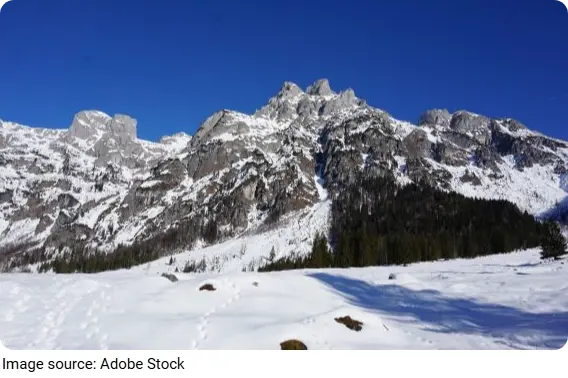
Build One Complete Snow Day
The strongest winter day near Salzburg has three stages: a morning snow walk, a higher viewpoint if conditions allow, and an early return before darkness complicates movement. You do not need to ski to justify the journey.
Follow a Simple Schedule
A practical day looks like this:
• 7:30 to 8:00 a.m. — leave Salzburg.
• 9:00 to 10:00 a.m. — arrive in the mountain area, depending on transport choice and conditions.
• 10:00 a.m. to 12:00 p.m. — complete an easy winter walk.
• 12:00 to 1:00 p.m. — eat lunch and warm up indoors.
• 1:00 to 3:00 p.m. — take the cable car or choose another maintained winter route.
• 3:00 to 4:00 p.m. — photograph the late-afternoon landscape and begin descending.
• 4:00 to 5:00 p.m. — collect belongings and prepare for departure.
Do not schedule a demanding winter hike immediately after arrival. Snow depth changes walking speed, and a route that takes 90 minutes in summer may require considerably more effort in winter.
Choose Walking or Lift Access
If you want easy scenery, choose maintained winter walking routes in the valley and village area. Official Werfenweng information specifically lists winter hiking among its core activities, making the destination practical for visitors who do not ski.
If visibility is clear, the Ikarus cable car provides access toward the Bischling mountain area at approximately 1,850 m. This is the stronger choice for wide Alpine views, but only when upper-mountain visibility is useful. Buying mountain access during dense cloud is poor value because the main purpose of the ascent is the panorama.
For travelers who actually want to ski, published 2025/26 Werfenweng prices listed a regular 1-day ticket at €58 during the main season and €54 during the lower-season periods. A 3-hour regular ticket was €40.50 in the main season. Future prices may change, so use these figures as a realistic budget reference rather than a guaranteed future fare.
For non-skiers, do not automatically buy a full ski ticket. Confirm the correct pedestrian or sightseeing ticket available on your exact travel date.
Set a Realistic Budget
For a simple independent day trip, plan roughly €40 to €90 per person before skiing. The total depends on transport, lunch, and whether you pay for mountain access.
A skiing day requires a larger budget. Using the published 2025/26 main-season regular day ticket of €58 as a reference, then adding food and equipment rental, a practical daily allowance can easily move beyond €100 per person.
For a couple staying 1 night, a broad planning range of €250 to €500 total is reasonable for accommodation, meals, local movement, and modest activities. Skiing, private transfers, or higher-comfort lodging will raise the total.
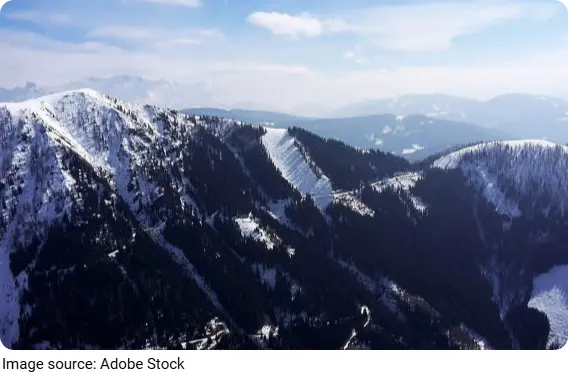
The best winter day is not the one with the most activities. It is the one where transport, daylight, clothing, and weather all work together. Arrive early, keep the route manageable, check visibility before going higher, and leave enough time to enjoy the snowy Austrian Alps instead of racing through them.