How Toothbrushes Stop Decay

Caleb Ryan
| 30-06-2026
 · News team
Brushing your teeth is one of the simplest daily routines, yet few people stop to consider how a toothbrush helps protect a smile from cavities.
Tooth decay does not occur suddenly. Instead, it develops gradually as bacteria, food residue, and acids interact with the surface of the teeth over time.
Fortunately, a toothbrush is designed to interrupt this process long before visible damage appears. When combined with proper brushing techniques and fluoride toothpaste, this everyday tool serves as one of the most effective defenses against tooth decay and helps maintain healthy teeth and gums over the long term.
Removing Plaque Before It Causes Damage
Plaque is a soft, sticky film that continuously forms on the surface of the teeth. It contains bacteria, food particles, and saliva, creating an environment where microorganisms can multiply. After consuming foods rich in sugars or refined carbohydrates, bacteria convert these nutrients into acids. Over time, these acids dissolve minerals from tooth enamel, beginning the earliest stage of cavity formation.
A toothbrush physically removes plaque before it can produce prolonged acid attacks. Flexible bristles sweep away bacterial deposits from the front, back, and chewing surfaces of each tooth. Regular brushing also helps prevent plaque from hardening into tartar, a rough deposit that cannot be removed through routine brushing and requires professional dental cleaning.
Cleaning Areas Where Bacteria Tend to Gather
The mouth contains many narrow grooves and hard-to-reach areas where food particles can remain after eating. Deep pits on the molars, spaces near the gumline, and the back of the mouth provide favorable conditions for bacterial growth.
A toothbrush with soft, rounded bristles is designed to clean these areas without damaging enamel or gum tissue. Gentle circular brushing motions help remove debris from uneven tooth surfaces while maintaining effective plaque control.
Although brushing alone cannot completely clean the tight spaces between teeth, it removes most surface deposits and loosens trapped particles. Toothbrushes with compact heads often provide better access to the back molars, while electric toothbrushes can improve cleaning in difficult-to-reach areas through consistent brushing movements. The more thoroughly these hidden surfaces are cleaned, the fewer opportunities bacteria have to accumulate.
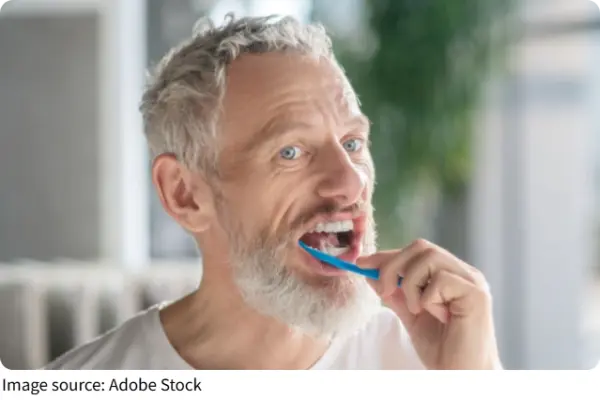
Interrupting Harmful Bacterial Activity
The mouth naturally contains hundreds of bacterial species. Many are harmless or even beneficial, helping maintain a healthy balance of microorganisms. However, certain bacteria feed on dietary sugars and contribute significantly to tooth decay.
Brushing mechanically disrupts these bacterial communities before they mature into thicker, more resilient biofilms. Once removed, bacteria need time to reorganize and firmly attach to tooth surfaces again. As a result, regular brushing limits their ability to produce acids continuously.
Maintaining this balance is important because prolonged acid exposure weakens enamel through a process known as demineralization. By reducing bacterial populations every morning and evening, brushing helps slow the development of cavities before permanent damage occurs.
Delivering Fluoride Where It Is Needed Most
Fluoride is one of the most effective tools for preventing cavities. Rather than simply coating the teeth, fluoride becomes incorporated into enamel, making it more resistant to acid attacks.
A toothbrush distributes fluoride toothpaste evenly across every visible tooth surface, allowing this protective mineral to reach grooves, chewing surfaces, and other areas that require protection.
During brushing, fluoride supports remineralization by helping replace minerals lost during the earliest stages of enamel erosion. This process strengthens weakened enamel before cavities fully develop. Without proper brushing, fluoride cannot be distributed effectively across all tooth surfaces, reducing its protective benefits.
Daily brushing therefore combines two essential actions: removing harmful plaque while strengthening enamel against future acid attacks.
Supporting Long-Term Healthy Habits
A toothbrush provides more than physical cleaning. It also encourages a consistent daily hygiene routine that supports healthy habits throughout life. Brushing twice each day establishes a routine that makes other preventive practices easier to maintain.
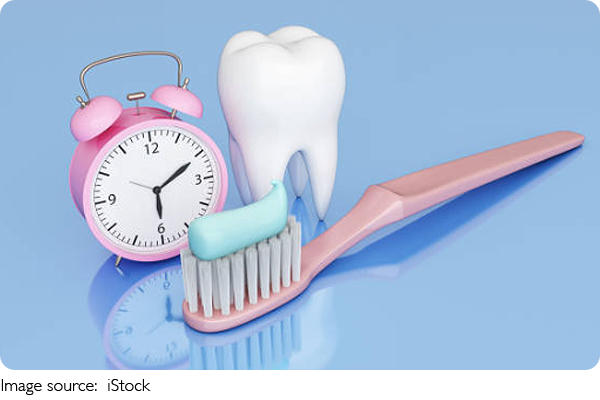
As a simple reminder of good brushing habits, the American Dental Association recommends: "Brush your teeth twice a day with fluoride toothpaste for at least two minutes each time you brush."
People who brush regularly are also more likely to floss consistently, schedule routine dental checkups, and recognize early signs of tooth and gum problems. This preventive approach helps reduce the need for extensive dental treatment while preserving healthy teeth over the long term.
Good brushing habits also encourage greater awareness of dietary choices. Limiting frequent sugary snacks and acidic beverages further supports the protective benefits of effective plaque removal.
Choosing the Right Toothbrush
Not every toothbrush performs equally well. Soft-bristled toothbrushes are generally recommended because they effectively remove plaque while minimizing unnecessary wear on enamel and gum tissue.
Replacing a toothbrush approximately every three to four months is equally important. Over time, worn bristles lose their flexibility and cleaning effectiveness, making plaque removal less efficient. Earlier replacement may be necessary if the bristles become visibly frayed.
Electric toothbrushes can offer additional benefits for some individuals by providing consistent brushing movements and helping maintain even brushing pressure. However, proper brushing technique remains the most important factor, regardless of whether the toothbrush is manual or electric.
Protecting Your Smile Every Day
A toothbrush may seem like an ordinary household item, but its role in preventing cavities is supported by decades of scientific research. By removing plaque, cleaning hard-to-reach areas, disrupting harmful bacterial buildup, delivering fluoride effectively, and encouraging consistent brushing habits, this simple tool helps protect teeth from the daily acid attacks that lead to tooth decay.
Combined with proper brushing techniques, fluoride toothpaste, regular dental checkups, and balanced dietary habits, daily brushing remains one of the most effective ways to maintain strong teeth, healthy gums, and a confident smile for years to come.