Improving Motorcycle Safety

Owen Murphy
| 15-07-2026
 · Automobile team
Motorcycle riding provides a unique experience that combines freedom, control, and connection with the road.
However, enjoying the experience requires more than simply knowing how to operate a motorcycle. Safe riding depends on preparation, awareness, proper techniques, and responsible habits that help riders maintain control in different situations.
Modern motorcycle safety focuses on improving rider skills, understanding road conditions, using protective equipment, and applying advanced technologies designed to improve control and reduce risks. By developing better safety practices, riders can build confidence and create safer experiences for themselves and others.
Building Strong Riding Skills
One of the most important aspects of motorcycle safety is developing proper riding techniques. A skilled rider can react more effectively to unexpected situations and maintain better control of the motorcycle.
Improving Motorcycle Control
Motorcycle control requires coordination between acceleration, braking, steering, and body movement. Riders should practice smooth throttle control, balanced braking, and proper cornering techniques to improve stability.
Understanding how a motorcycle responds during different conditions, such as sharp turns, uneven surfaces, or sudden stops, allows riders to make safer decisions on the road. Regular practice helps build confidence and reduces the chance of losing control.
Developing Defensive Riding Habits
Defensive riding means staying alert and preparing for possible hazards before they happen. Riders should maintain safe distances, avoid sudden movements, and constantly observe their surroundings.
By predicting potential risks, such as vehicles changing lanes or unexpected obstacles, riders have more time to react and avoid dangerous situations.
Using Proper Safety Equipment
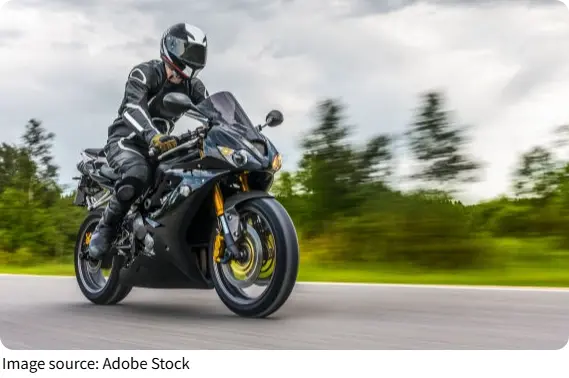
Protective equipment plays a major role in reducing injuries during motorcycle accidents. The right gear provides additional protection and helps riders handle different weather and road conditions.
Protective Riding Gear
A quality helmet is one of the most important safety items for motorcycle riders. It helps protect the head during impacts and improves overall riding protection.
Other protective equipment, including riding jackets, gloves, pants, and boots, helps reduce injuries by protecting the body from impacts, friction, and changing weather conditions.
Choosing Equipment Based on Riding Conditions
Different riding environments require different safety preparations. Long-distance riders may need additional protection for comfort and endurance, while urban riders may focus on visibility and quick movement.
Selecting suitable equipment based on the type of riding helps improve both safety and convenience.
Maintaining Motorcycle Condition
A well-maintained motorcycle performs more reliably and helps riders avoid mechanical problems that could create safety risks.
Checking Essential Components
Regular inspections of important parts, such as brakes, tires, lights, suspension systems, and fluid levels, help ensure the motorcycle remains in good working condition.
Small maintenance issues can become serious problems if they are ignored. Checking the motorcycle before riding allows problems to be discovered early.
Understanding Motorcycle Technology
Modern motorcycles include advanced safety features designed to improve rider control. Systems that assist with braking, traction management, and stability can help riders handle challenging situations more effectively.
Understanding how these technologies work allows riders to use them properly and improve overall safety.
Improving Awareness on the Road
Awareness is a key factor in motorcycle safety. Riders must pay attention to traffic conditions, road surfaces, weather changes, and the behavior of other road users.
Managing Speed and Distance
Maintaining an appropriate speed gives riders more time to react and control the motorcycle. Safe following distances also provide additional space for emergency braking.
Riding at a speed suitable for the environment helps reduce risks, especially in busy areas or unfamiliar locations.
Adapting to Different Conditions
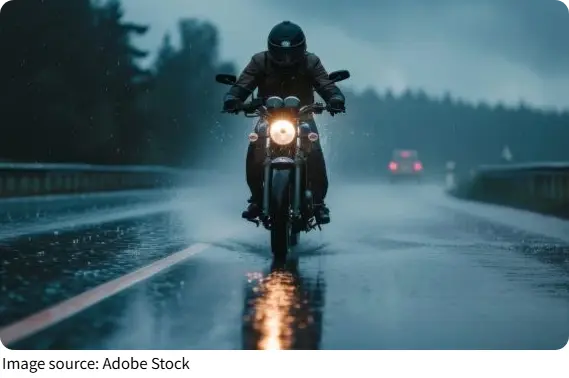
Road conditions can change quickly due to rain, poor surfaces, limited visibility, or heavy traffic. Riders should adjust their riding style according to these conditions.
Being flexible and prepared helps riders maintain control and avoid unnecessary risks.
Building a Safety-Focused Riding Mindset
Motorcycle safety is not only about equipment and skills—it is also about attitude and responsibility. A safety-focused mindset encourages riders to make better decisions and continuously improve their abilities.
Continuous Learning
Even experienced riders can benefit from improving their knowledge and skills. Advanced training, practice sessions, and learning from different riding experiences help develop stronger safety habits.
Respecting Road Safety
Responsible riding includes respecting traffic rules, considering other road users, and avoiding risky behaviors. A careful approach creates a safer environment for everyone.
Small Actions Create Safer Journeys
Motorcycle safety is built through consistent preparation, responsible riding habits, proper equipment, and continuous improvement. Every decision a rider makes—from checking the motorcycle before a trip to choosing the right speed—can influence safety on the road.
By focusing on awareness, skill development, and responsible practices, riders can enjoy the freedom of motorcycling while creating safer and more confident journeys.