Vase Styling Secrets

Mariana Silva
| 24-06-2026
 · Art team
Hi, Readers! A small ceramic vase is a bit like a great side character in a movie.
It does not need to shout to steal the scene. When styled well, it can make a whole room feel more thoughtful, more relaxed, and much more polished.
The trick is not piling on random pretty things and hoping for magic. It is about shape, balance, texture, and giving each piece enough breathing room to do its job.
Start With Shape
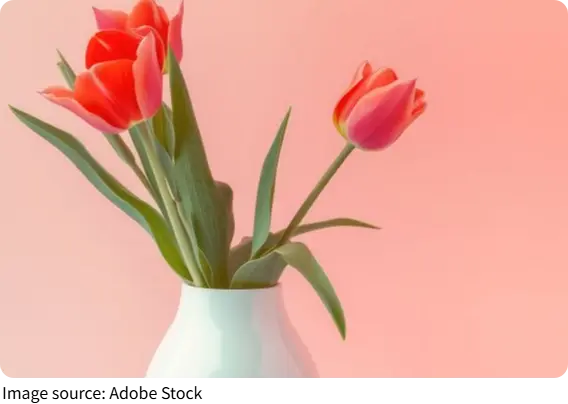
One of the easiest ways to make niche ceramic vases look refined is to pay attention to silhouette first. Rounded vases feel softer and calmer, while tall narrow ones bring a cleaner, more sculptural mood. If you are styling more than one vase together, mix heights and forms so they look collected rather than copied and pasted.
A tiny bud vase beside a medium matte ceramic piece, for example, creates rhythm without making the setup feel crowded. When the shapes are too similar, the whole arrangement can feel flat, like a choir where everyone sings the same note.
Let Texture Do the Heavy Lifting
Ceramic vases really shine when their surface has something interesting going on. Matte finishes, hand-thrown lines, speckled glaze, and slightly uneven edges can all add character. These details are what give a small vase that expensive, gallery-like energy.
Pair textured ceramic with materials that contrast nicely, such as a smooth stone tray, a stack of linen-covered books, or a wooden console. That contrast helps the vase stand out without begging for attention like a toddler wearing glitter shoes indoors.
Keep the Color Story Tight
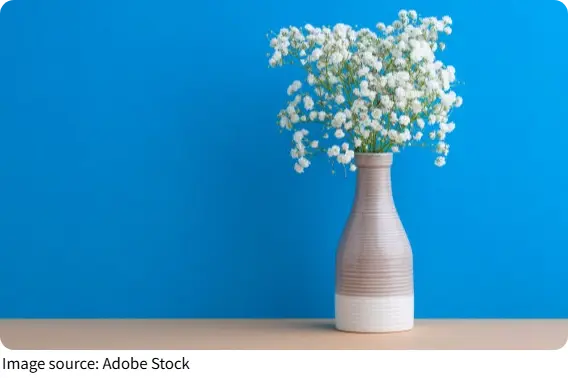
If you want an elevated look, rein in the color palette. Soft neutrals, earthy shades, chalky white, charcoal, sand, and muted green often work beautifully with ceramic pieces. That does not mean everything must match exactly. It just means the colors should feel like cousins, not strangers trapped in the same elevator.
A niche vase in an unusual glaze can still feel sophisticated when the nearby objects echo one or two tones from it. This kind of visual connection makes the arrangement feel intentional.
Style in Odd Numbers
Grouping vases in odd numbers often creates a more natural and balanced composition. Three pieces usually work especially well. You might place one taller vase, one rounded mid-height vase, and one tiny accent piece together on a shelf or entry table.
The result tends to feel relaxed and visually pleasing. If you only have one vase, that is perfectly fine too. Let it sit alone with confidence, maybe paired with one book or a small tray, so it looks curated rather than lonely.
Do Not Overfill Them
A common styling mistake is stuffing a small ceramic vase with too many stems. It is like putting an oversized winter coat on a tiny chair. The proportions feel off immediately. Instead, use just a few branches, a single stem, or even leave the vase empty if the shape itself is beautiful enough. Many ceramic vases are sculptural objects on their own, and sometimes that quiet simplicity is exactly what makes them feel special.
Think About Placement
Where you place the vase matters just as much as what goes in it. Small ceramic vases work especially well on coffee tables, bedside tables, shelves, bathroom counters, and dining consoles. Try to leave some empty space around them so the eye can rest. A vase tucked between too many competing objects loses its charm fast. Good styling is a little like good conversation. If everyone talks at once, nobody sounds interesting.
Mix Old and New
A high-end look often comes from contrast. Pair a niche ceramic vase with something vintage-looking, handmade, or slightly imperfect. It could sit beside a sleek lamp, a modern mirror, or a clean-lined cabinet. That blend of old soul and fresh structure gives the setup depth. Rooms usually feel more personal when everything is not from the same visual family.
In the end, making a small ceramic vase look refined is less about spending more and more about choosing with intention. Focus on shape, texture, restrained color, and thoughtful spacing. Try a few combinations, step back, and see what feels calm and balanced. Sometimes the smallest object in the room is the one quietly running the whole show.