European Style Notes

Santosh Jha
| 24-06-2026
 · Art team
Hello, Lykkers! European-style architecture is like a grand playlist with many tracks, yet you can still spot the shared rhythm after just a few notes.
When people talk about "European-style" buildings, they usually mean structures inspired by classical traditions from places and later design movements across Europe.
Think symmetry, proportion, decorative detail, arches, columns, and a strong sense of order.
These buildings often look polished and composed, as if every window, doorway, and cornice had a little meeting before showing up.
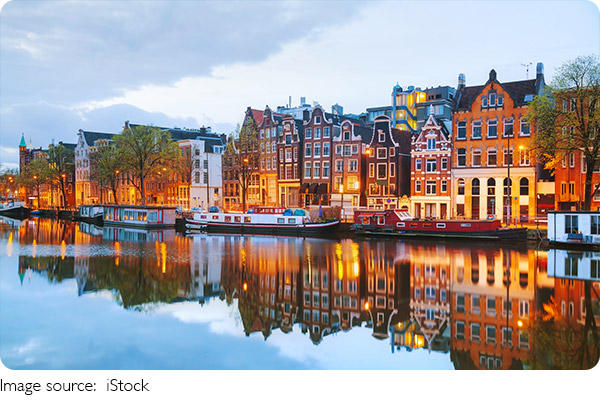
Symmetry and Proportion
One of the clearest features of European-style architecture is symmetry. The left and right sides of a facade often mirror each other, which gives the whole building a calm, balanced look. Proportion matters just as much. Doors, windows, columns, and rooflines are arranged in ways that feel measured rather than random.
It is the architectural version of a neatly made bed: everything sits where it should, and the room instantly feels more put together. This focus on proportion comes from classical architecture, where visual harmony was treated almost like a design commandment.
Columns, Arches, and Classical Details
Columns are one of the biggest visual clues. European-style buildings often use column forms linked to classical orders, with capitals and bases that add structure and decoration at the same time. Arches are also common, especially above doors, windows, corridors, and arcades.
Together, columns and arches create a sense of grandeur without needing flashy tricks. Decorative moldings, cornices, pediments, and carved stone details often appear as well. These are the little flourishes that make a building feel dressed up, like it swapped everyday sneakers for polished shoes.
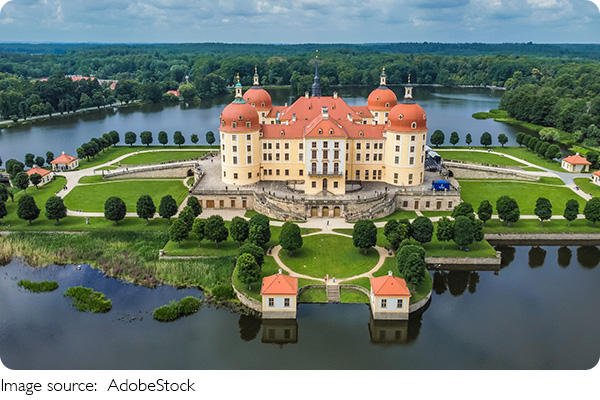
Materials and Exterior Look
Stone, brick, and stucco are frequently associated with European-style buildings. These materials help create a solid, lasting impression. Facades are often finished in restrained, elegant colors rather than loud, attention-grabbing shades. Roofs may be pitched, and window openings are usually carefully aligned.
In many cases, exterior walls carry ornamental detailing that adds depth and texture. Even when the building is large, the detailing can help break the surface into readable parts, so the whole thing feels rich rather than bulky.
Interior Character
Inside, European-style spaces often continue the same love of order and detail. Rooms may be arranged along clear axes, with formal entrances, central halls, and carefully planned circulation. Ceilings can be high, and trim work may be more decorative than in simpler modern buildings.
Staircases, chandeliers, wall paneling, and patterned flooring are often used to create a refined atmosphere. The overall feeling is not accidental. It is designed to communicate elegance, permanence, and a certain confidence, like a room that knows exactly what it is doing.
Different Traditions Within Europe
European architecture is not one single look, and that is important. Classical, Romanesque, Gothic, Renaissance, Baroque, Rococo, Neoclassical, and other traditions all developed across Europe with different priorities. Some emphasize vertical height and dramatic detail, while others focus on restraint and geometric clarity.
So when people say a building has a European style, they are usually pointing to a broad family resemblance rather than one exact formula. It is a bit like saying someone likes music. That could mean piano sonatas, opera, or a brass band in a palace courtyard.
Why It Feels Timeless
A big reason European-style architecture remains popular is that it blends beauty with structure in a very readable way. People can easily recognize the entrance, the center, the hierarchy of spaces, and the decorative emphasis. The style feels formal, but not necessarily cold. Its details invite you to look closer, while its composition keeps everything coherent.
That balance between ornament and order is what gives it staying power across homes, civic buildings, hotels, and public spaces.
European-style architecture stands out through symmetry, proportion, classical elements, durable materials, and carefully layered detail. If you are trying to identify it, start by looking at the facade: Is it balanced? Are there columns, arches, cornices, or pediments? Does it feel deliberate and refined? Once you spot those clues, the style starts waving at you from across the street like an old friend in a very well-tailored coat.