Photographer Outfit Guide
Arvind Singh
| 15-06-2026
 · Fashion team
Dress for comfort and function to support long hours of outdoor photography without distractions.
If you’ve ever worked on an outdoor shoot feeling too cold, too hot, or restricted in movement, you know how much clothing can affect your performance as a photographer. The right outfit is not about style—it is about mobility, protection, and practicality so you can focus fully on framing, timing, and light.
Below is a simple and reliable outfit formula designed specifically for photographers working in outdoor environments.
Layer for Changing Field Conditions
Weather can shift quickly during outdoor shoots, especially in open landscapes, forests, or near water.
Start with a base layer made of merino wool or synthetic fabric to help regulate body temperature and manage sweat during long sessions. Add a lightweight mid-layer such as fleece for insulation that does not restrict movement.
Your outer layer should be wind-resistant and water-resistant while remaining flexible enough for crouching, walking, and adjusting angles. A softshell-style jacket is often ideal because it balances protection with mobility.
This layering system allows you to adapt quickly without interrupting your shooting flow. Avoid cotton as a base layer since it holds moisture and reduces comfort over time.
Use Neutral Colors for Field Efficiency
Photographers benefit from clothing choices that support both practicality and environmental awareness.
Earth tones such as olive, brown, beige, and deep blue help you blend into natural surroundings. This is especially useful when photographing wildlife or working in environments where discretion is important.
Dark neutral tones also reduce visual distractions when you appear in reflective surfaces or environmental compositions.
Avoid overly bright colors or busy patterns, as they can draw attention and may unintentionally affect the visual balance of your frame in certain lighting conditions.
Choose Reliable Footwear for Long Movement
Outdoor photography often involves walking long distances, standing for extended periods, and working on uneven terrain.
Lightweight hiking boots or trail shoes with strong grip and ankle support are ideal. Comfort is essential because repositioning quickly and frequently is part of the job.
Footwear should be broken in before any major shoot to prevent discomfort. Waterproof options are helpful in wet conditions, but breathability is equally important for long hours outdoors.
It is also useful to carry lightweight backup footwear such as slip-ons for rest periods between locations. Moisture-wicking socks help reduce fatigue and prevent blisters during extended work sessions.
Wear Functional and Accessible Gear Clothing
Photographers need clothing that supports quick access to essential tools.
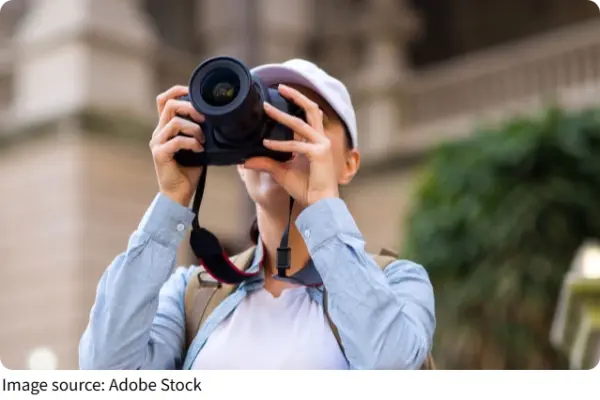
A cap or wide-brim hat helps reduce glare and improve visibility when composing shots in bright environments. Gloves with touch-compatible fingertips allow camera adjustments in cold conditions without removing them.
A neck gaiter adds versatility, offering sun protection, dust coverage, or warmth depending on the environment.
Clothing with practical storage such as cargo pockets or utility vests helps keep essential items like memory cards, lens caps, and filters within easy reach. A compact sling bag or belt pouch supports mobility while keeping gear organized.
Carry Essential Field Essentials
Preparation is key for uninterrupted outdoor photography sessions.
A lightweight rain cover protects camera equipment from sudden weather changes. A microfiber cloth is essential for cleaning lenses in dusty or humid environments.
An insulated vest that packs easily can provide warmth during early morning or late evening shoots without restricting movement.
Hand warmers are useful in cold environments, especially when handling metal camera equipment for long periods. A spare pair of socks and basic hydration support can also improve endurance during long field sessions.
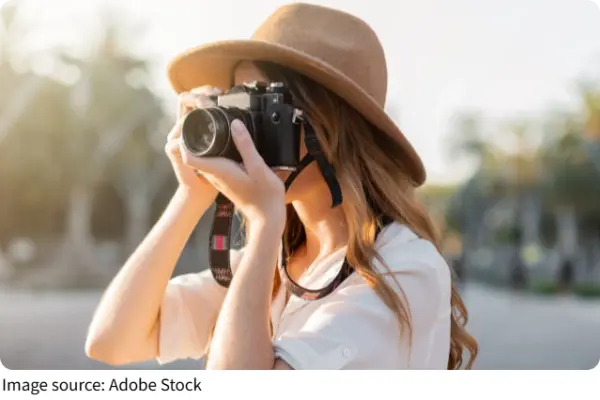
As a photographer working outdoors, your clothing should support endurance, flexibility, and environmental adaptability. Every layer and accessory should reduce distractions so you can focus on composition, light, and timing.
Before investing in specialized gear, test combinations of clothing you already own to find what best supports your shooting style. The goal is to build a reliable and practical outfit system that performs consistently from setup to final shot.