Mountain Hiking Gear Guide

Matteo
| 11-06-2026
 · Travel team
Before starting our first mountain hiking adventure, proper preparation is essential. Hiking is not only about walking on trails; it is about safety, comfort, and enjoying the journey from start to finish.
With the right equipment, the experience becomes smoother, safer, and more enjoyable. This guide covers the essential gear needed for beginners preparing for their first outdoor trail experience.
Core Gear: Footwear for Stability
Footwear is the most important part of hiking preparation. Regular running shoes are not recommended because they often lack sufficient grip and support for uneven terrain. Proper hiking shoes provide stability on rocky paths, muddy sections, and steep or uneven ground.
When choosing hiking shoes, three factors are important. The sole should be firm and durable to protect against stones and rough surfaces. The upper material should offer light resistance to moisture to maintain comfort in changing weather. Ankle support is also important, with mid or high-cut designs helping reduce the risk of twisting on uneven trails.
It is recommended to try shoes with thicker hiking socks, walk a short distance, and ensure there is enough space for the toes while the heel remains secure.
Clothing Layers for Changing Weather
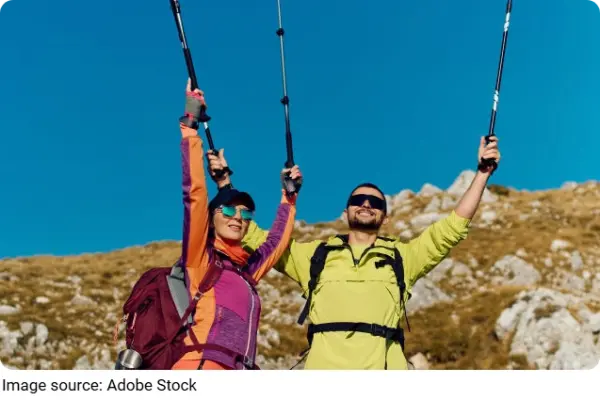
A simple layering system works best for mountain hiking. The inner layer should be made of quick-dry material to help manage sweat and maintain comfort. Cotton is not recommended as it retains moisture and dries slowly.
The middle layer provides warmth and can include a light fleece or soft insulating layer depending on weather conditions. The outer layer should protect against wind and light rain while remaining lightweight for ease of movement.
For pants, quick-dry and flexible materials are preferred over heavy fabrics, as they allow better mobility and dry faster. In rough or bushy terrain, durable fabric helps reduce wear and tear.
Backpack: Balanced and Practical
A backpack with a capacity of 20–30 liters is generally suitable for beginner hikes. It provides enough space for essentials without being overly bulky.
Key features to look for include a waist strap to distribute weight evenly and reduce strain on the shoulders. Multiple compartments also help organize items efficiently, such as separating water, clothing, snacks, and small essentials.
As a general guideline, the total backpack weight should ideally not exceed 10% of body weight to prevent unnecessary fatigue during the hike.
Essential Small Items
Small accessories can significantly improve comfort during hiking. Thick, breathable socks help reduce friction and prevent discomfort. Carrying an extra pair is useful in case of moisture or long rest breaks.
A lightweight hat provides protection from sunlight and helps maintain comfort in changing weather conditions. Sunglasses are also important for reducing glare in open or bright environments, helping reduce eye strain during long walks.
Hydration and Water Planning
Proper hydration is essential for maintaining energy levels during hiking. A water bottle or hydration system can be used depending on preference and route length.
For shorter hikes, around one liter of water may be sufficient, while longer or warmer routes require more. The key is to drink regularly throughout the hike rather than waiting until thirst develops.
Safety Essentials
Basic safety equipment helps ensure a secure hiking experience, even on simple trails.
A fully charged phone is essential for navigation and communication, and carrying a portable power source helps prevent battery loss during longer trips. A basic first-aid kit with adhesive bandages and disinfecting wipes is useful for handling minor injuries such as scratches or blisters.
A compact flashlight or headlamp is also recommended. It provides reliable visibility in low-light conditions and allows hands-free movement when needed.
Final Thoughts
First-time hiking does not require advanced or expensive equipment. The focus should be on comfort, practicality, and suitability for the chosen trail. Starting with simple routes helps build experience and confidence over time.
Before beginning the hike, it is important to double-check all essentials, including footwear, backpack, water, and navigation tools. Proper preparation ensures a safer, more enjoyable, and more confident hiking experience.