Kyushu’s Soft Coast

Tessa
| 11-06-2026
 · Travel team
Friends, ready for warm breezes and easy days? Miyazaki, on Kyushu’s southeast coast, blends broad beaches, gentle forests, and cliffside viewpoints with simple logistics.
This guide gives practical, price-aware details—what it costs, when to go, and how to get around— turn a weekend into a memory without stress.
Coastal Vibes
Miyazaki City stretches along a sandy shoreline with low-key promenades and cycle paths. Sunrise is worth an early alarm; evenings bring pastel skies and tide pools. Beach access is free; seasonal chair or board rentals vary by operator. Expect basic lockers near popular strands for ¥300–¥500 ($2–$3.50) and coin showers from ¥100.
Heiwadai Park
Set on a breezy hill, Heiwadai Park pairs lawns, sculpture, and a 20th-century stone tower with city views. It’s a relaxed 60–90 minute stroll, ideal for picnics and photo breaks. Entry is free; small on-site exhibits occasionally charge a modest fee. City buses from Miyazaki Station take 20–30 minutes; fares are typically ¥200–¥300 ($1.50–$2).
Historic Quarter
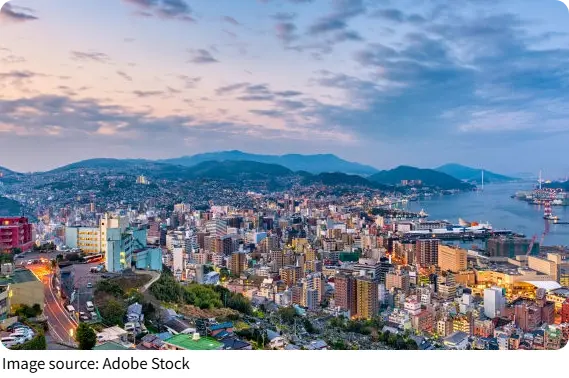
Downtown lanes offer compact museums, traditional storefronts, and shaded squares. Plan a 1–2 hour loop: start near the station, work toward the riverside paths, then circle back through shopping arcades for snacks and souvenirs. Many shops close around 19:00; smaller boutiques pause midday, especially in summer.
Aoshima Island
Aoshima is a palm-lined islet ringed by ribbed rock shelves that run into the sea—fantastic for photos at low tide. A pedestrian bridge links the mainland; allow 90 minutes for a leisurely circuit. Bring sandals for slippery rock flats. Local trains to Aoshima Station run frequently; it’s a 5-minute walk to the bridge.
Aoshima Island
Nichinan Coast
Drive or bus south for cliff roads, viewpoints, and small coves. Waypoints include dramatic sea caves and breezy lookouts. Buses from Miyazaki Station follow the shoreline; day passes usually cost ¥1,000–¥1,500 ($7–$11) and pay for themselves with two or three hops. Pack water, sun protection, and a light jacket for gusty afternoons.
Takachiho Gorge
North of the city, this basalt canyon delivers emerald water, waterfalls, and boat rentals under sheer walls. Expect 2–3 hours for walking paths plus 30 minutes on the water if operating. Rowboats run on a first-come system; typical pricing lands around ¥2,000–¥4,000 ($14–$28) per boat. Tours and highway buses are available; self-drivers find paid parking near the rim.
Sea Play
Miyazaki’s coastline is a favorite for board sports and beach days. Beginners book half-day lessons that usually include a board and wetsuit; look for packages from ¥6,000–¥9,000 ($40–$60). Mornings tend to be calmer; afternoons bring livelier water and golden light. Respect flagged areas and follow local lifeguard guidance.
Florante Gardens
Florante Miyazaki showcases seasonal plantings, pergolas, and short walking circuits. Spring and autumn displays are especially photogenic; winter evenings feature light-ups. Admission is modest (often under ¥600/$4). Allow 60–90 minutes and time your visit around the day’s brightest or softest light for color-true photos.
Science Center
Hands-on galleries and a large-format planetarium make the Miyazaki Science Center a cool, weather-proof pick. Expect 1.5–2 hours. Combined tickets for exhibitions plus a planetarium program usually total ¥800–¥1,200 ($6–$8), less for kids. Programs rotate; staff post English summaries at the counter.
Kirishima Trails
Southwest in the highlands, volcanic peaks, crater lakes, and well-marked trails offer day hikes with big skies. Trailheads near visitors’ centers provide restrooms and maps. Bring sturdy shoes, layered clothing, and cash for rural cafés. If planning a route with elevation, target shoulder seasons and start early to avoid afternoon haze.
Seagaia Resort
North of the city, this coastal complex spreads hotels, walking paths, and activity zones along the dunes. Expect rental bikes, beach access, and kid-friendly facilities. Day visitors can typically access public areas and pay-to-play activities. Shuttle links operate between resort stops; signage is bilingual and easy to follow.
Forest Pond
Awagigahara Forest Park shelters a spring-fed pond circled by quiet paths and summer lilies. It’s a serene 30–45 minute wander close to the city center. Benches, shade, and a soft breeze make it a gentle midday break. Entry is free; restrooms and vending machines sit near the main gate.
Getting Around
From Tokyo (HND/NRT), flights to Miyazaki take ~1h45–2h; from Fukuoka, limited expresses take about 4 hours. In town, buses cover the core; IC cards are accepted. Consider a 1-day bus pass (¥1,000–¥1,500 / $7–$11) if visiting multiple spots. Taxis start around ¥600–¥700 ($4–$5); rideshare coverage is limited.
Stay Smart
City-center business hotels near Miyazaki Station begin around ¥6,000–¥10,000 ($40–$70) per room. Beach-adjacent resorts climb to ¥14,000–¥22,000 ($95–$150) depending on season and views. For quiet nights, check small guesthouses along the coast with bicycle rentals and easy sunrise access.
Food Notes
Expect comforting bowls, noodle shops, seaside grills, and cafés with fruit-forward desserts. Budget ¥900–¥1,400 ($6–$10) for lunch and ¥1,200–¥2,200 ($8–$15) for dinner at casual spots. Many places accept cards, though small counters prefer cash for bills under ¥1,000 ($7). Summer brings long lines—arrive early or eat slightly off-peak.
Trip Budget
A comfortable day for two might look like: city bus pass ¥2,000, attractions ¥2,000–¥3,000, café stops ¥1,200–¥2,000, simple dinner ¥2,400–¥4,000, and a midrange room ¥9,000–¥14,000. Total: ¥16,600–¥25,000 ($110–$175), flexing with activities and season.
Miyazaki pairs easy beaches with lava-carved drama, garden color, and stress-free transit—ideal for families, friends, and solo wanderers. Which moment calls to you first: a low-tide stroll on Aoshima’s rock shelves, a boat glide in Takachiho’s canyon, or a sunset walk above the surf? Share your pick, and let’s shape a simple, time-smart route around it.