Perfect Dog Walk

Anika
| 09-06-2026
 · Travel team
If we share life with a dog, we quickly realize that daily walks are more than just a routine. They are moments of connection, movement, and discovery.
Today, we explore how we can make each walk safer, smoother, and more enjoyable for both us and our furry companions. Let’s step into the world of thoughtful dog walking together.
Why Daily Walks Matter
For dogs, walking is a key part of a healthy life. It is not only about going outside for physical needs, but also about building strength, balance, and emotional well-being.
When we take dogs out regularly, their bodies stay active. Larger dogs especially need longer outdoor time each day to release energy. Without enough movement, they may become restless at home and look for ways to stay busy indoors. Smaller dogs also benefit from steady activity, as it helps maintain a stable body condition and supports heart and overall vitality.
Beyond physical health, walking supports emotional balance. Dogs experience the world mainly through scent. Every step outside introduces new smells, sounds, and sights. This natural exploration helps reduce stress and keeps their mood positive. We can think of every walk as a small adventure that refreshes their mind.
Getting Ready Before We Go
A good walk starts before leaving the door. The right equipment makes a big difference in safety and comfort.
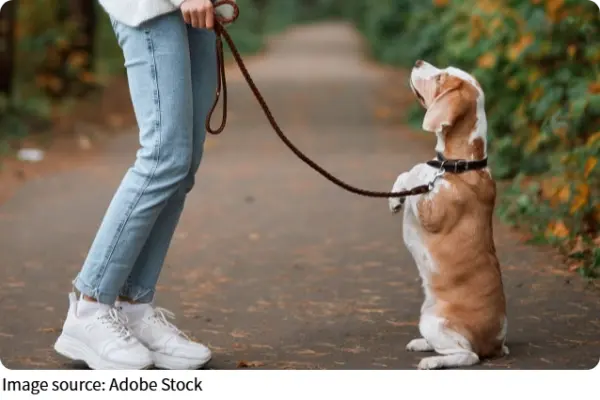
A leash setup is the most important part. Some dogs respond well to a neck collar, especially those who already walk calmly beside us.
For more energetic dogs, a chest-style harness is often a better choice because it spreads pressure more evenly and reduces strain. Choosing soft and durable materials helps prevent discomfort during movement.
We also need to carry waste bags. This small item helps keep public spaces clean and pleasant for everyone. It also reflects responsible pet care. A simple routine of cleaning up after our dogs creates a more welcoming environment for all walkers.
Choosing the Best Time
Timing plays a big role in the quality of a walk. Weather and temperature can affect both safety and comfort.
During hot days, it is better to walk early in the morning or later in the evening when temperatures are cooler. Ground surfaces can become very warm under strong sunlight, which may make walking uncomfortable for paws. Cooler hours allow dogs to move freely without stress.
In colder seasons, midday is often the best choice. Warmer sunlight helps keep the body comfortable, especially for smaller or short-haired dogs. In these conditions, a light protective layer can help maintain warmth during outdoor activity.
We should also consider daily rhythm. Most dogs feel comfortable walking after a short rest following meals. This timing supports digestion and helps maintain a steady routine.
Best Places for Walking
Where we walk matters just as much as when we walk. Safe and open areas give dogs space to explore freely.
Residential areas often provide convenient walking routes, such as gardens or open courtyards. These spaces allow dogs to move around while staying close to home. However, we should avoid busy paths with vehicles or crowded play zones to reduce risks and distractions.
Nearby parks are another great choice. Open fields, trees, and natural scenery create an engaging environment for dogs to explore. Many parks now include designated pet areas where different sizes of dogs can enjoy safe activity zones. These spaces also give us a chance to meet other pet owners and share experiences.
Staying Aware During the Walk
While walking, attention is important. We should hold the leash firmly but comfortably, adjusting length based on the dog’s behavior.
When a dog is calmly exploring, we can give more space for sniffing and movement. If excitement increases, especially when seeing other animals or moving objects, we gently shorten the leash to guide them back closer.
We also need to observe behavior carefully. If a dog suddenly stops, repeatedly sniffs one spot, or changes direction unexpectedly, it may be reacting to something interesting or unusual. Paying attention helps us respond appropriately and keep the walk smooth.
Good Manners in Public Spaces
Respecting shared spaces is part of responsible walking. Keeping dogs close in crowded areas helps avoid unwanted interruptions for others.
We should also be mindful of noise levels and avoid allowing overly active behavior in quiet environments. Some people may feel uneasy around dogs, so giving space and adjusting distance shows consideration.
Simple actions like stepping aside when others pass, or shortening the leash near pedestrians, help create a friendly atmosphere for everyone.
Handling Unexpected Moments
Sometimes walks do not go exactly as planned. Dogs may react strongly to unfamiliar surroundings or encounter unexpected discomfort.
If a dog becomes overly excited or tense around another dog, we calmly guide them away and help refocus their attention. Gentle reassurance and a relaxed tone can help restore calm quickly.
If signs of discomfort appear, such as unusual movement or restlessness, we pause the walk and check carefully. Early attention helps prevent problems from developing further.
In warmer conditions, we should watch for signs of overheating, such as heavy breathing or slowing movement. Moving to a shaded area and offering rest can help recovery.
Ending the Walk with Care
A walk does not end when we return home. After coming back, we can check paws, provide fresh water, and allow a short rest period. This helps the body recover and keeps the routine balanced.
Each walk becomes more than just exercise. It becomes shared time, filled with learning, awareness, and connection between us and our dogs. With small adjustments and consistent care, every outing can feel smoother and more enjoyable.
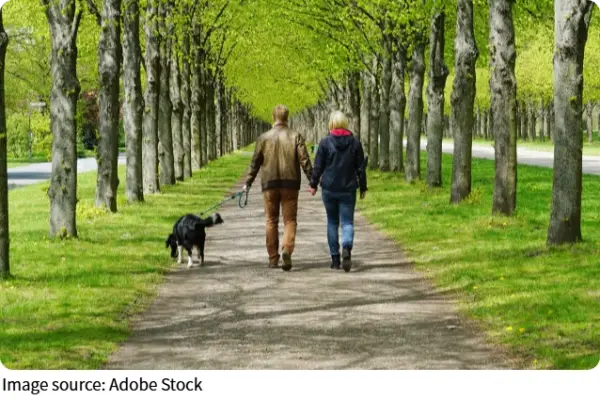
Walking with dogs is a simple daily habit, but it carries meaningful value. It supports health, builds trust, and brings joy through shared moments outdoors.
Lykkers, every walk is a chance to understand our companions a little better. What small habit has improved your own walking routine? Feel free to reflect on your experiences and make each future walk even more rewarding for both sides.