Pack Smart for Long Rides

Santosh Jha
| 02-06-2026
 · Automobile team
Every rider has experienced the frustration of reaching for an essential item only to find it buried deep in a bag—or realizing that valuable luggage space has been wasted on something unnecessary.
Long-distance riding is often less affected by the miles themselves than by poor preparation. Smart packing is not about carrying more equipment; it is about bringing the right items and organizing them effectively.
Prioritize Comfort and Function
The best riding gear is the gear you barely notice while riding. Comfort should always take priority over unnecessary features. Well-fitted jackets, gloves, and boots help reduce distractions and fatigue over long distances. Multi-season gear offers greater flexibility when weather conditions change, while breaking in new equipment before a trip can prevent discomfort on the road.
Build a Simple Clothing System
Clothing can quickly consume valuable luggage space if packed without a plan. Lightweight layers adapt well to changing temperatures and are easier to manage than bulky garments. Quick-drying fabrics simplify washing and reuse during extended trips, while limiting unnecessary duplicates helps keep luggage compact and organized.
Organize Luggage Strategically
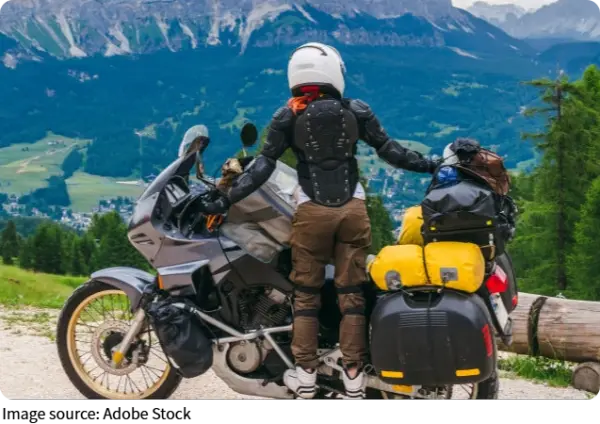
Effective packing is about more than deciding what to bring. Where items are stored can significantly influence convenience and riding performance. Heavy items should remain low and close to the motorcycle's center, while lightweight items that are frequently needed should be easily accessible. Thoughtful organization reduces unnecessary stops and makes it easier to respond to changing conditions.
Carry Essential Tools and Spares
Most long-distance riders will never need a complete workshop on the road, but basic repair equipment is essential. A tire repair kit, motorcycle-specific tools, and a few small maintenance items can help address common issues and reduce delays. Familiarity with these tools before departure is just as important as carrying them.
Don't Overlook Personal Essentials
Small personal items often have a greater impact on comfort than riders expect. Ear protection can help reduce fatigue from prolonged wind exposure, while eye protection suitable for different lighting conditions improves visibility throughout the day. Basic items such as sunscreen and lip balm can also make long hours outdoors more comfortable.
Prepare for Changing Conditions
Weather and road conditions rarely remain consistent throughout a journey. Packing rain protection, carrying water, and leaving room for food or other necessities can make unexpected situations easier to manage. A small amount of preparation often prevents significant inconvenience later.
Test Before You Leave
A fully loaded motorcycle can behave very differently from an unloaded one. Before departing, take a test ride with all luggage secured in its intended position. Check for shifting weight, loose straps, or handling changes and make adjustments as needed. This simple step can prevent many common packing problems.
Successful packing begins with preparation and restraint. Riders who focus on essentials, organize luggage carefully, and test their setup before departure often enjoy a smoother and more comfortable experience on the road. When packing is done well, attention shifts away from luggage and back to the journey itself, allowing every mile to be enjoyed with greater confidence and ease.